Vitamin C itself is not oily, yet a poorly matched serum can leave oily skin feeling heavier than before. Texture, concentration, and supporting ingredients can change the whole experience.
This guide compares the best vitamin c serums for oily skin, focusing on the details that matter when shine already has a seat at the table. Keep reading for a clearer path to a brighter-looking routine.
Key Takeaways
- Choose lightweight, water-based formulas to reduce the chance of an overly slick or layered feel on oily skin.
- Check the vitamin C form and percentage, since pure L-ascorbic acid is potent while derivatives are often gentler and more stable.
- Look for complementary ingredients such as salicylic acid for congestion or hyaluronic acid for hydration without heavy oils.
- Favor opaque, air-restrictive packaging because vitamin C can oxidize with repeated exposure to light and air.
- Introduce stronger vitamin C concentrations gradually, especially if you also use retinoids, exfoliating acids, or benzoyl peroxide.
| Classic Antioxidant Formula |  |
Timeless Vitamin C E Ferulic | 20% pure vitamin C | Vitamin E and ferulic acid | Fragrance-free formula | View on Amazon | Read Review |
| Larger Daily Bottle |  |
Timeless 20% Vitamin C Serum | Generous 1.7-ounce bottle | 20% vitamin C | Includes antioxidant co-actives | View on Amazon | Read Review |
| Barrier-Friendly Brightener |  |
CeraVe Vitamin C Hyaluronic Serum | 10% pure vitamin C | Includes hyaluronic acid | Ceramide-supporting formula | View on Amazon | Read Review |
| Gentle Botanical Pick | TruSkin Vitamin C Hyaluronic Serum | Stable vitamin C derivative | Hyaluronic acid hydration | Includes vitamin E | View on Amazon | Read Review | |
| Multi-Active Treatment |  |
Premium 20% Vitamin C Serum | 20% vitamin C | Includes retinol | Hyaluronic acid hydration | View on Amazon | Read Review |
| Pore-Clearing Vitamin C |  |
La Roche-Posay 12% Vitamin C | 12% vitamin C | Includes salicylic acid | Targets oily, congested skin | View on Amazon | Read Review |
| Low-Irritation Corrector |  |
The Ordinary Ascorbyl Glucoside 12% | 12% vitamin C derivative | Lightweight water-based formula | Suitable for sensitive skin | View on Amazon | Read Review |
| Hydration-First Antioxidant |  |
La Roche-Posay 12% Vitamin C HA | 12% pure vitamin C | Hyaluronic acid included | Brightening antioxidant treatment | View on Amazon | Read Review |
| Plumping Hydration Blend |  |
Ember Cloud Vitamin C Stem Cell | Hyaluronic acid hydration | Stem cell ingredient blend | Lightweight one-ounce serum | View on Amazon | Read Review |
| Advanced Multi-C Blend | 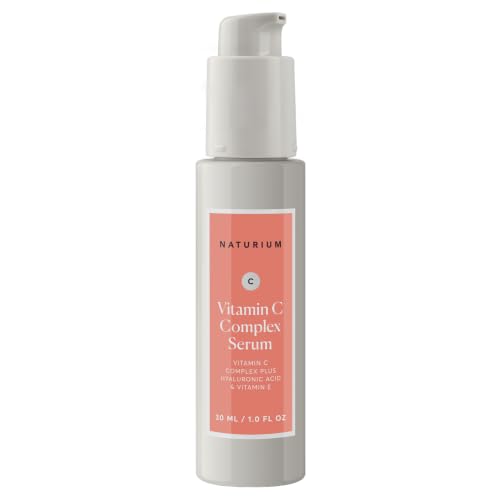 |
Naturium Vitamin C Complex Serum | 22% vitamin C complex | Multiple vitamin C forms | Includes hyaluronic acid | View on Amazon | Read Review |
More Details on Our Top Picks
-
Timeless Vitamin C E Ferulic
For oily skin that still wants a high-strength vitamin C routine, this Timeless formula keeps the ingredient list focused. It pairs 20% L-ascorbic acid with vitamin E and ferulic acid, an antioxidant trio commonly used to support brighter-looking skin and help defend against environmental stress.
The lightweight, fragrance-free format is a sensible fit if heavy, scented serums tend to feel like an unnecessary extra layer. But 20% pure vitamin C can cause stinging or dryness, especially around the nose and mouth, so introduce it gradually and use sunscreen every morning.
- Brand:Timeless Skin Care
- Vitamin C Type:L-Ascorbic Acid
- Vitamin C Strength:20%
- Serum Type:Water-based serum
- Supporting Actives:Vitamin E, ferulic acid
- Size:1 fl oz
- Additional Feature:Fragrance-free
- Additional Feature:Suitable for oily skin
- Additional Feature:Antioxidant-focused formula
-
Timeless 20% Vitamin C Serum
If you already know your skin gets along with 20% vitamin C, this larger Timeless bottle gives you the same straightforward antioxidant concept in a 1.7-fluid-ounce size. Vitamin E and ferulic acid support the formula, helping round out the routine without loading it up with oils or fragrance.
This is best for oilier complexions focused on dullness, uneven tone, and post-blemish marks. The main catch is freshness: pure L-ascorbic acid is prone to oxidation, so keep the bottle away from heat and sunlight, because a sunny bathroom counter is not a serum’s best friend.
- Brand:Timeless
- Vitamin C Type:L-Ascorbic Acid
- Vitamin C Strength:20%
- Serum Type:Antioxidant serum
- Supporting Actives:Vitamin E, ferulic acid
- Size:1.7 fl oz
- Additional Feature:Fragrance-free
- Additional Feature:Brightening-focused treatment
- Additional Feature:Designed for daily use
-
CeraVe Vitamin C Hyaluronic Serum
CeraVe makes a strong case for oily skin that is also dehydrated or sensitive, a combination far more common than it sounds. Its formula centers on 10% pure vitamin C and hyaluronic acid, so you can target dullness while adding water-based hydration rather than a rich, greasy finish.
You also get CeraVe’s barrier-minded approach, including ceramides, which can be helpful if acne treatments leave skin feeling tight. Still, the creamy serum texture may feel richer than a watery antioxidant serum, particularly if your skin gets shiny quickly in humid weather.
- Brand:CeraVe
- Vitamin C Type:L-Ascorbic Acid
- Vitamin C Strength:10%
- Serum Type:Brightening serum
- Supporting Actives:Hyaluronic acid, ceramides
- Size:1 fl oz
- Additional Feature:Fragrance-free
- Additional Feature:Lightweight gel-cream texture
- Additional Feature:Supports skin barrier
-
TruSkin Vitamin C Hyaluronic Serum
For a less aggressive entry into vitamin C, TruSkin uses sodium ascorbyl phosphate, a stable vitamin C derivative known for being gentler than pure L-ascorbic acid. Hyaluronic acid adds hydration, making this a practical option for oily skin that wants a softer, more gradual brightening routine.
The formula also includes vitamin E and botanical ingredients, which may appeal if you prefer a multi-benefit serum. But if you specifically want a disclosed percentage of pure vitamin C for stubborn dark marks, this product does not provide that direct, high-strength approach.
- Brand:TruSkin
- Vitamin C Type:Sodium Ascorbyl Phosphate
- Serum Type:Brightening serum
- Supporting Actives:Hyaluronic acid, vitamin E
- Size:1 fl oz
- Additional Feature:Botanical ingredient blend
- Additional Feature:Antioxidant support
- Additional Feature:Hydrating daily formula
-
Premium 20% Vitamin C Serum
This formula takes a crowded-ingredient approach, combining 20% vitamin C with hyaluronic acid, retinol, and amino acids. It suits oily skin dealing with several concerns at once, including dullness, fine lines, and a dehydrated surface that can paradoxically produce even more oil.
That said, vitamin C plus retinol can be a lot for reactive or freshly exfoliated skin. Keep the routine simple, avoid layering it with other strong acids, and consider using it on alternate evenings if your skin starts feeling dry or prickly.
- Vitamin C Strength:20%
- Serum Type:Anti-aging serum
- Supporting Actives:Hyaluronic acid, retinol, amino acids
- Additional Feature:Collagen-support positioning
- Additional Feature:Plumping hydration claims
- Additional Feature:Wrinkle-focused formula
-
La Roche-Posay 12% Vitamin C
Acne-prone oily skin often needs more than brightening alone, and this La Roche-Posay serum addresses that overlap with 12% vitamin C plus salicylic acid. Salicylic acid is oil-soluble, meaning it can work inside pores where excess sebum and congestion tend to gather.
Hyaluronic acid helps keep the formula from feeling purely treatment-focused, which matters if your skin is oily but easily dehydrated. The limitation is obvious but worth saying: pairing vitamin C and salicylic acid may be too stimulating if you already use prescription acne treatments or frequent exfoliants.
- Brand:La Roche-Posay
- Vitamin C Type:Pure Vitamin C
- Vitamin C Strength:12%
- Serum Type:Brightening treatment serum
- Supporting Actives:Salicylic acid, hyaluronic acid
- Additional Feature:Made for oily skin
- Additional Feature:Pore-refining support
- Additional Feature:Antioxidant protection
-
The Ordinary Ascorbyl Glucoside 12%
The Ordinary’s formula is built around 12% ascorbyl glucoside, a water-soluble vitamin C derivative that prioritizes stability and comfort. It is a particularly sensible match if pure L-ascorbic acid has left your oily skin red, stingy, or generally unimpressed.
Its simple, lightweight format works well under sunscreen and alongside an uncomplicated acne routine. But derivative-based vitamin C tends to work more gradually than a high-concentration pure L-ascorbic acid serum, so patience is part of the package.
- Brand:The Ordinary
- Vitamin C Type:Ascorbyl Glucoside
- Vitamin C Strength:12%
- Serum Type:Water-based serum
- Size:1 fl oz
- Additional Feature:Antioxidant protection
- Additional Feature:Targets uneven tone
- Additional Feature:Stable vitamin C format
-
La Roche-Posay 12% Vitamin C HA
This La Roche-Posay option is geared toward anyone who wants 12% vitamin C but also needs hydration built into the same step. Hyaluronic acid draws water toward the skin’s surface, which can help oily skin look plumper and less tight without relying on a heavy cream.
It is especially useful if your main goals are lack of radiance, uneven tone, and early visible aging rather than active pore congestion. The formula can still feel potent, though, so use a gentle cleanser and avoid stacking multiple strong treatment serums in the same routine.
- Brand:La Roche-Posay
- Vitamin C Type:Pure Vitamin C
- Vitamin C Strength:12%
- Serum Type:Hydrating brightening serum
- Supporting Actives:Hyaluronic acid
- Additional Feature:Targets uneven skin tone
- Additional Feature:Helps improve radiance
- Additional Feature:Daily antioxidant support
-
Ember Cloud Vitamin C Stem Cell
Ember Cloud combines vitamin C, hyaluronic acid, and stem cell ingredients in a serum aimed at brighter, fuller-looking skin. This makes sense for oily skin that feels dehydrated, because hyaluronic acid provides water-binding hydration without the waxy feel that richer moisturizers can leave behind.
The broad multi-ingredient profile may appeal if you want one serum to cover radiance and plumping support. But the listing does not clearly identify the vitamin C form or concentration, making it harder to compare its brightening potential with more transparent formulas.
- Brand:Ember Cloud
- Serum Type:Hydrating brightening serum
- Supporting Actives:Stem cells, hyaluronic acid
- Size:1 oz
- Additional Feature:Plumping-focused formula
- Additional Feature:Brightening skin support
- Additional Feature:Antioxidant serum format
-
Naturium Vitamin C Complex Serum
Naturium approaches vitamin C with a 22% vitamin C complex, using multiple forms rather than relying on one single active. That can be a smart route for oily skin seeking visible brightening and antioxidant support while avoiding the all-or-nothing intensity often associated with high-dose pure L-ascorbic acid.
Hyaluronic acid gives the serum a hydration component, so it can slot into a streamlined morning routine under sunscreen. Still, a multi-form vitamin C blend can make it harder to predict sensitivity, and very reactive skin should introduce it slowly rather than adding it beside every other active in the cabinet.
- Brand:Naturium
- Vitamin C Type:Multi-form vitamin C
- Vitamin C Strength:22%
- Serum Type:Brightening serum
- Supporting Actives:Hyaluronic acid
- Size:1 fl oz
- Additional Feature:Antioxidant-focused formula
- Additional Feature:Targets uneven skin tone
- Additional Feature:Hydrating serum texture
Frequently Asked Questions
Is vitamin C good for oily and acne-prone skin?
Yes, vitamin C can suit oily, acne-prone skin because it supports a more even-looking tone and can help fade the appearance of post-breakout marks. Choose a lightweight, non-comedogenic serum and introduce it gradually if your skin is sensitive. Vitamin C does not replace acne treatment, though. If active breakouts are a concern, use it alongside a simple routine with sunscreen and ingredients your skin already handles well.
What strength of vitamin C should I use for oily skin?
A 10% to 15% concentration is a sensible starting point for many people with oily skin. It offers meaningful antioxidant support without jumping straight to a high-strength formula that may sting or cause redness. If you are prone to sensitivity, start with a gentler derivative or use your serum every other morning. You can increase frequency once your skin remains comfortable.
Can I use vitamin C with salicylic acid?
You can use vitamin C and salicylic acid, but applying both in the same routine may feel too intense for some skin. Salicylic acid helps clear pore buildup, while vitamin C addresses dullness and uneven-looking marks, so they can complement each other with sensible scheduling. Use vitamin C in the morning and salicylic acid at night to keep things simple. If you use both together, introduce one product first and watch for persistent burning, peeling, or redness.
Should I apply vitamin C in the morning or at night?
Morning use is often ideal because vitamin C provides antioxidant support against environmental stressors during the day. Apply it after cleansing, then follow with moisturizer if needed and broad-spectrum SPF 30 or higher. Night use is also fine if your morning routine already includes multiple active products. Consistent use matters more than the clock on the wall.
Can vitamin C make oily skin break out?
Vitamin C itself is not usually a direct cause of breakouts, but a formula with heavy oils, rich silicones, or irritating fragrance may not agree with your skin. High concentrations of acidic L-ascorbic acid can also cause irritation that looks like small bumps or redness. Choose an oil-free serum with a short, clear ingredient list, and add it slowly rather than changing your whole routine at once. If breakouts or irritation persist, stop using it and simplify your routine.