Dark spots are not always a problem a stronger formula can solve overnight. Their appearance often reflects a mix of sun exposure, past blemishes, and the skin’s own pigment response.
The best dark spot serums focus on targeted ingredients and steady use, not flashy promises. Read on for a clearer comparison of the formulas, sizes, and active ingredients that matter.
Key Takeaways
- Choose an active ingredient that suits your concern, such as tranexamic acid for discoloration, retinoids for post-acne marks, or alpha arbutin for gentle brightening.
- Check the concentration of headline actives, but introduce potent formulas gradually to limit dryness or irritation.
- Prioritize daily broad-spectrum SPF 30 or higher, because unprotected UV exposure can keep dark spots visible and encourage new discoloration.
- Match the serum texture to your routine, using lightweight water-based options under moisturizer or richer formulas if your skin feels dry.
- Give a dark spot serum at least 8 to 12 weeks of consistent use before judging visible changes, because pigment fades at a measured pace.
| Melasma-Focused Formula | 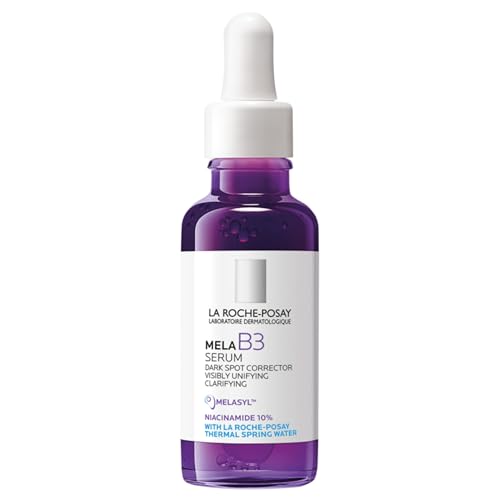 |
La Roche-Posay Mela B3 Serum | Targets visible discoloration | Includes niacinamide | Layers under moisturizer | View on Amazon | Read Review |
| Simple Brightening Pick |  |
The Ordinary Alpha Arbutin 2% | 2% alpha arbutin | Hydration-supporting base | Straightforward ingredient focus | View on Amazon | Read Review |
| Multi-Active Value |  |
Good Molecules Discoloration Correcting Serum | Three brightening actives | Lightweight serum texture | Supports post-acne marks | View on Amazon | Read Review |
| Larger-Size Favorite |  |
La Roche-Posay Mela B3 50ml | Larger 50 ml size | Melasyl plus niacinamide | Targets recurring discoloration | View on Amazon | Read Review |
| Post-Acne Mark Specialist |  |
Anua Niacinamide TXA 4 Serum | 10% niacinamide | 4% tranexamic acid | Targets post-acne discoloration | View on Amazon | Read Review |
| Thiamidol Treatment |  |
Eucerin Radiant Tone Dual Serum | Contains Thiamidol | Includes hyaluronic acid | Dual-serum format | View on Amazon | Read Review |
| Exfoliating Glow Option |  |
La Roche-Posay Glycolic B5 Serum | Glycolic acid exfoliation | Vitamin B5 support | Addresses dull texture | View on Amazon | Read Review |
| Texture And Marks |  |
CeraVe Resurfacing Retinol Serum | Encapsulated retinol formula | Includes ceramides | Helps refine pore appearance | View on Amazon | Read Review |
| Blemish-Control Brightener |  |
The Ordinary Niacinamide Zinc Serum | 10% niacinamide | Includes 1% zinc | Supports blemish-prone skin | View on Amazon | Read Review |
| Face-Body Retinal |  |
MEDITHERAPY Retinal Skin Booster | Large face-body size | Retinal-based formula | Targets uneven skin | View on Amazon | Read Review |
More Details on Our Top Picks
-
La Roche-Posay Mela B3 Serum
For stubborn dark spots and uneven tone, this serum suits a routine built around targeted pigment care. Its Melasyl and niacinamide combination addresses the look of discoloration while keeping the formula focused on daily facial use.
The lightweight serum format layers easily under moisturizer and sunscreen, which matters because daily SPF is non-negotiable for spot prevention. But this is a treatment serum, not an overnight eraser, so consistent use and sun protection do the heavy lifting.
- Brand:La Roche-Posay
- Product Type:Dark spot serum
- Key Actives:Melasyl, niacinamide
- Skin Concern:Dark spots
- Size:1 fl oz
- Format:Serum
- Additional Feature:Made for uneven skin tone
- Additional Feature:Anti-aging treatment focus
- Additional Feature:Daily facial serum
-
The Ordinary Alpha Arbutin 2%
If you prefer a single-purpose brightener, this is a sensible place to start. The formula centers on 2% alpha arbutin, an ingredient commonly used to support a more even-looking complexion without the exfoliating feel of acids.
Hyaluronic acid adds a hydration-focused element, helping the water-based serum feel less bare-bones than its short ingredient story suggests. But alpha arbutin works gradually, and deeper, long-standing marks may need a broader routine and patience.
- Brand:The Ordinary
- Product Type:Brightening serum
- Key Actives:Alpha arbutin, hyaluronic acid
- Skin Concern:Dark spots
- Size:1 fl oz
- Format:Water-based serum
- Additional Feature:Targets uneven-looking tone
- Additional Feature:Lightweight daily treatment
- Additional Feature:Acid-free brightening approach
-
Good Molecules Discoloration Correcting Serum
Built around several pigment-supporting ingredients, this serum is best for anyone who wants a multi-pathway formula without stacking multiple separate treatments. Tranexamic acid, niacinamide, and acetyl glucosamine work together to address the appearance of post-acne marks and patchy tone.
Its water-light texture fits comfortably beneath other skincare steps, making it easy to use morning or night. But the active blend can still be too much for a compromised skin barrier, so introduce it carefully if your skin is already irritated.
- Brand:Good Molecules
- Product Type:Discoloration serum
- Key Actives:Tranexamic acid, niacinamide
- Skin Concern:Discoloration
- Size:1 fl oz
- Format:Serum
- Additional Feature:Contains acetyl glucosamine
- Additional Feature:Targets uneven skin tone
- Additional Feature:Suitable for daily routines
-
La Roche-Posay Mela B3 50ml
This larger 1.69 fl oz version makes sense if Mela B3 is already your main discoloration treatment. You get the same Melasyl and niacinamide approach as the smaller bottle, with more product for a consistent long-term routine.
It is particularly useful for recurring-looking sun spots, post-blemish marks, and uneven tone across the face. But the bigger bottle does not change the formula’s pace, so expect gradual visible improvement rather than skincare wizardry.
- Brand:La Roche-Posay
- Product Type:Dark spot serum
- Key Actives:Melasyl, niacinamide
- Skin Concern:Dark spots
- Size:1.69 fl oz
- Format:Serum
- Additional Feature:Anti-aging treatment focus
- Additional Feature:Made for uneven tone
- Additional Feature:Daily facial application
-
Anua Niacinamide TXA 4 Serum
For discoloration left behind by breakouts, this Korean serum brings a high-strength 10% niacinamide and 4% tranexamic acid pairing. That combination is geared toward dullness, visible spots, and the uneven tone that can linger after acne clears.
The formula offers a direct route for anyone seeking a concentrated brightening serum without relying on strong exfoliating acids. But 10% niacinamide can feel intense for reactive skin, so keep the rest of your routine calm and uncomplicated at first.
- Brand:Anua
- Product Type:Brightening serum
- Key Actives:Niacinamide, tranexamic acid
- Skin Concern:Dark spots
- Size:1.01 fl oz
- Format:Serum
- Additional Feature:Korean skincare formula
- Additional Feature:Concentrated active blend
- Additional Feature:Supports uneven skin tone
-
Eucerin Radiant Tone Dual Serum
Eucerin’s formula is a strong fit for those prioritizing Thiamidol, the brand’s proprietary discoloration-focused ingredient. It pairs that active with hyaluronic acid, so the treatment also supports a plumper, better-hydrated skin appearance.
The dual-serum concept combines pigment care and hydration in one step, a helpful setup for streamlined routines. But because it is a targeted dark-spot product, diligent sunscreen remains essential or new discoloration can keep arriving like uninvited houseguests.
- Brand:Eucerin
- Product Type:Dark spot serum
- Key Actives:Thiamidol, hyaluronic acid
- Skin Concern:Dark spots
- Size:1 fl oz
- Format:Dual serum
- Additional Feature:Targets radiant-looking tone
- Additional Feature:Hydration-focused support
- Additional Feature:Facial dark spot corrector
-
La Roche-Posay Glycolic B5 Serum
A better match for dull, textured skin with spots, this serum uses glycolic acid to encourage surface exfoliation while vitamin B5 supports a more comfortable skin feel. It can help improve the look of uneven tone and roughness at the same time.
This is the pick for anyone whose discoloration comes with a lackluster complexion, not just isolated marks. But glycolic acid can increase sensitivity, so use it thoughtfully, avoid overloading other exfoliants, and wear sunscreen every morning.
- Brand:La Roche-Posay
- Product Type:Exfoliating serum
- Key Actives:Glycolic acid, vitamin B5
- Skin Concern:Dark spots
- Size:1 oz
- Format:Serum
- Additional Feature:Supports skin resurfacing
- Additional Feature:Targets uneven-looking tone
- Additional Feature:Acid-based brightening care
-
CeraVe Resurfacing Retinol Serum
If acne marks share space with visible pores and uneven texture, this retinol serum is a practical all-rounder. Its niacinamide and ceramides support the skin barrier while retinol helps refine the appearance of post-blemish marks over time.
The formula is especially relevant for a nighttime routine that needs more than a spot-fading ingredient alone. But retinol requires a slow introduction, and it is best not to pair it with multiple strong actives on the same evening.
- Brand:CeraVe
- Product Type:Retinol serum
- Key Actives:Retinol, niacinamide
- Skin Concern:Post-acne marks
- Size:1 oz
- Format:Serum
- Additional Feature:Contains licorice root extract
- Additional Feature:Barrier-supporting ceramides
- Additional Feature:Fragrance-free formula
-
The Ordinary Niacinamide Zinc Serum
Oily or blemish-prone skin can benefit from this familiar 10% niacinamide formula, which pairs the vitamin with 1% zinc. Its main role is helping improve the look of congestion, excess oil, and post-breakout unevenness.
The thin serum is easy to slot into a simple morning or evening routine, especially if rich formulas tend to feel heavy. But it is not a dedicated dark-spot treatment, and some skin can find a 10% niacinamide level irritating or prone to pilling.
- Brand:The Ordinary
- Product Type:Smoothing serum
- Key Actives:Niacinamide, zinc PCA
- Skin Concern:Blemishes
- Size:1 fl oz
- Format:Water-based serum
- Additional Feature:Helps manage excess oil
- Additional Feature:Targets uneven texture
- Additional Feature:Lightweight daily formula
-
MEDITHERAPY Retinal Skin Booster
For uneven-looking skin beyond the face, this 5.07 fl oz retinal serum offers a generous format for areas such as the neck, chest, arms, or body. Retinal is a vitamin A derivative used to support smoother texture and more even-looking tone.
The larger bottle is the central advantage here, particularly if small facial serums disappear far too fast. But retinal can cause dryness or sensitivity, so begin with spaced-out nighttime use and keep daily sunscreen in the plan.
- Brand:MEDITHERAPY
- Product Type:Retinal serum
- Key Actives:Retinal
- Skin Concern:Uneven skin tone
- Size:5.07 fl oz
- Format:Serum
- Additional Feature:Suitable for face and body
- Additional Feature:Supports smoother-looking texture
- Additional Feature:Nighttime treatment format
Frequently Asked Questions
How long does a dark spot serum take to work?
Most formulas need 8 to 12 weeks of consistent use before fading becomes noticeable, and deeper pigment can take several months. Daily sunscreen use matters just as much, since fresh UV exposure can darken existing marks. Fast results are not always better if they come with irritation. A gentle routine you can maintain usually beats an aggressive rotation of products that leaves your skin inflamed.
Can I use a dark spot serum every day?
You can often use gentle ingredients like niacinamide or certain vitamin C formulas daily, as long as your skin stays comfortable. Stronger options, including retinoids and exfoliating acids, may be better introduced two to three nights weekly. Follow the product directions, and add only one new active at a time. If stinging lasts, redness builds, or peeling becomes significant, reduce frequency or stop use.
What ingredient is best for post-acne dark spots?
Azelaic acid, niacinamide, vitamin C, tranexamic acid, and retinoids can all help fade post-acne hyperpigmentation. Your best choice depends on your routine, sensitivity, and whether you still have active breakouts. If acne is ongoing, address both breakouts and leftover marks at the same time. Preventing new inflammation reduces the number of new spots waiting in line behind the old ones.
Can I use vitamin C and retinol together for dark spots?
You can use both in one overall routine, but it is often easier on skin to use vitamin C in the morning and retinol at night. This approach also pairs vitamin C with sunscreen, which supports protection against pigment-triggering UV damage. If your skin is sensitive, begin with each product on alternate days rather than using them daily immediately. Keep your routine simple, and use a bland moisturizer to support your skin barrier.
Are dark spot serums safe for melasma?
Many brightening ingredients can support melasma care, especially azelaic acid, vitamin C, tranexamic acid, and niacinamide. But melasma is persistent and often worsens with sunlight, heat, hormonal shifts, and irritation, so daily tinted sunscreen is central to any plan. If pigment spreads, returns quickly, or does not improve after a few months, seek dermatology advice. Prescription options may be more appropriate, particularly for stubborn or widespread patches.