You are kneeling in the sand, trying to keep a squirming toddler still while applying lotion before they dash toward the tide. The sun feels intense, and you need a barrier that works as hard as you do.
Finding the best natural sunscreens for babies helps you stay focused on the fun instead of worrying about burns. These picks offer reliable protection for little ones. Keep reading to see what makes these options stand out for your next outing.
Key Takeaways
- Prioritize zinc oxide or titanium dioxide as the primary active ingredient to create a physical shield on the skin.
- Check that the product is labeled as broad spectrum to ensure protection against both UVA and UVB rays.
- Look for water resistance ratings to keep the protection active even when the baby gets sweaty or plays in the water.
- Opt for fragrance free formulas to minimize the risk of skin irritation on a baby's delicate surface.
- Ensure the packaging includes clear instructions or technology that signals when the sun exposure levels are high.
| Best Overall Protection |  |
Aveeno Baby Continuous Protection Sunscreen | Zinc oxide based | Tear free formula | Gentle for sensitive skin | View on Amazon | Read Review |
| Smart UV Detection | 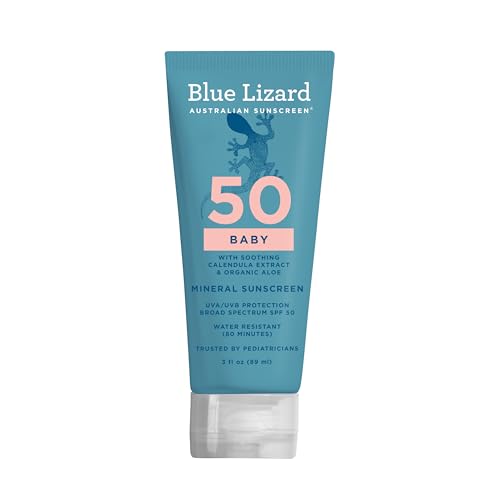 |
Blue Lizard Baby Mineral Sunscreen | UV detecting bottle cap | Fragrance free | Strong mineral coverage | View on Amazon | Read Review |
| Best For Families |  |
Blue Lizard Baby Large Mineral Sunscreen | Convenient larger size | UV sensing cap | Reliable mineral protection | View on Amazon | Read Review |
More Details on Our Top Picks
-
Aveeno Baby Continuous Protection Sunscreen
If you want a reliable choice for daily use, this is the one. It uses zinc oxide as its primary active ingredient, which sits on top of the skin like a protective shield rather than soaking in. It is especially helpful for babies with sensitive skin who might react poorly to chemical filters.
The formula is designed to be tear-free, so you do not have to worry about the inevitable stinging if it runs near their eyes during a busy day at the park. But keep in mind that mineral sunscreens can leave a slight white cast on the skin, which is common for zinc-based products.
- Brand Name:Aveeno
- Active Ingredient:Zinc oxide
- SPF Rating:50
- Volume Size:3 fluid ounces
- Water Resistant:Yes
- Fragrance Free:Yes
- Additional Feature:Paraben free
- Additional Feature:Sweat resistant
- Additional Feature:Broad spectrum protection
-
Blue Lizard Baby Mineral Sunscreen
This sunscreen is a clever choice because it includes smart cap technology. The cap turns blue when it detects harmful UV rays, serving as a visual reminder that your little one needs protection. It is a fantastic tool for parents who might lose track of the sun's intensity during long outdoor outings.
The mineral-based formula provides strong protection without relying on harsh chemicals. While it is thick and provides excellent coverage, you will need to spend a little extra time rubbing it in to ensure that visible residue disappears completely.
- Brand Name:Blue Lizard
- Active Ingredient:Zinc oxide
- SPF Rating:50+
- Volume Size:3 ounces
- Water Resistant:Yes
- Fragrance Free:Yes
- Additional Feature:Broad spectrum protection
- Additional Feature:Mineral based formula
- Additional Feature:UVA and UVB coverage
-
Blue Lizard Baby Large Mineral Sunscreen
You get the exact same high-quality formula as the smaller tube, but this larger volume option is better suited for families who spend frequent weekends at the pool or beach. Having more product on hand means you will not run out right when you need it most.
It maintains the same smart cap feature that alerts you to high UV levels. Just like its smaller counterpart, the consistency is quite substantial. You should approach it as a heavy-duty barrier that requires a thorough application to coat the skin properly.
- Brand Name:Blue Lizard
- Active Ingredient:Zinc oxide
- SPF Rating:50+
- Volume Size:5 ounces
- Water Resistant:Yes
- Fragrance Free:Yes
- Additional Feature:Broad spectrum coverage
- Additional Feature:UVA and UVB protection
- Additional Feature:Mineral based ingredients
Frequently Asked Questions
Should I put sunscreen on a newborn baby?
Pediatricians generally recommend keeping newborns under six months old out of direct sunlight entirely. Their skin is too thin and lacks the melanin protection of an older child. If sun exposure is unavoidable, use physical barriers like shade, hats, and light clothing instead of sunscreen.
What does the term non-nano mean?
Non-nano refers to the size of the mineral particles used in the sunscreen. These particles are large enough that they cannot be absorbed into the bloodstream, which is safer for a developing baby. Always check the label to ensure the minerals are listed as non-nano zinc or titanium.
How much sunscreen do I actually need to apply?
You should aim to cover all exposed skin, using about a half-teaspoon for the face and neck alone. Do not forget those easily missed spots like the tops of the ears, the back of the hands, and the tops of the feet. If you can see the white cast of the mineral, you likely have enough coverage.
Why does natural sunscreen look so white on the skin?
That white cast is actually a good sign because it shows the mineral layer is present and active. Zinc oxide is naturally opaque, acting like a physical mirror to bounce UV rays away from the skin. Many modern brands have developed micronized versions that rub in more transparently while still providing the same level of safety.
How often do I need to reapply the sunscreen?
You should reapply sunscreen at least every two hours if your baby is outside. If they have been swimming or sweating heavily, apply a fresh layer immediately after drying them off with a towel. Consistent application is the best way to prevent sun damage throughout the day.