Vitamin C’s reputation for brightness has a catch: it can degrade with light and air exposure. A formula meant to support a clearer-looking complexion may lose effectiveness before its bottle is empty.
That is why the best vitamin c serums recommended by dermatologist deserve closer attention than a cheerful label suggests. The comparison ahead separates real distinctions from marketing confetti, so keep reading.
Key Takeaways
- Choose an opaque, air-restrictive package to help protect vitamin C from light and oxygen exposure.
- Check the vitamin C concentration and form, since pure L-ascorbic acid and stabilized derivatives suit different tolerance levels.
- Pair vitamin C with hydrating ingredients such as hyaluronic acid if dryness or tightness is a concern.
- Avoid combining a new vitamin C serum with strong exfoliating acids or retinoids in the same routine if skin is easily irritated.
- Prioritize daily sunscreen use, because UV protection helps preserve the brightening benefits you want from vitamin C.
| Barrier-Friendly Brightener |  |
CeraVe Vitamin C Serum 10% | 10% pure vitamin C | Includes hyaluronic acid | Ceramide-focused formula | View on Amazon | Read Review |
| Generous Daily Size |  |
Vitamin C Hyaluronic Face Serum | Large 2-ounce size | Includes vitamin E | Targets multiple concerns | View on Amazon | Read Review |
| Gentle Milky Formula |  |
Vanicream Milky Vitamin C Serum | Gentle vitamin C derivative | Lightweight milky texture | Sensitive-skin focused | View on Amazon | Read Review |
| High-Strength Refining |  |
La Roche-Posay 12% Vitamin C | 12% vitamin C | Includes salicylic acid | Helps refine texture | View on Amazon | Read Review |
| Multi-Form Vitamin C | 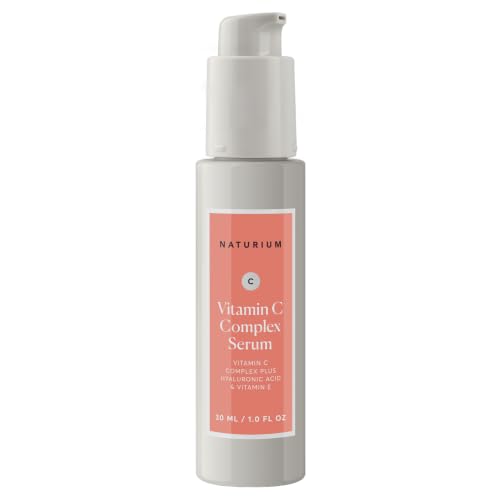 |
Naturium Vitamin C Complex Serum | Multi-form vitamin C | Includes hyaluronic acid | Targets uneven tone | View on Amazon | Read Review |
| Hydration-Forward Antioxidant |  |
TruSkin Brightening Vitamin C Serum | Includes hyaluronic acid | Includes vitamin E | Generous bottle size | View on Amazon | Read Review |
| Intensive Multi-Active Blend |  |
20% Vitamin C Retinol Serum | High 20% vitamin C | Includes retinol | Includes amino acids | View on Amazon | Read Review |
| Dry Skin Radiance |  |
Radiant Vitamin C Face Serum | Made for dry skin | Targets visible dullness | Dermatologist-tested designation | View on Amazon | Read Review |
| Daily Defense Dose |  |
Remedy 15% Vitamin C Complex | 15% vitamin C complex | Daily defense focus | Brightening treatment | View on Amazon | Read Review |
| Classic Antioxidant Trio |  |
Minimalist 16% C E Ferulic | 16% vitamin C | Includes vitamin E | Includes ferulic acid | View on Amazon | Read Review |
More Details on Our Top Picks
-
CeraVe Vitamin C Serum 10%
For a daily brightening serum that keeps a sensitive-skin routine simple, CeraVe is a sensible first pick. Its 10% pure vitamin C concentration targets dullness and uneven tone without jumping straight to a high-strength formula.
You also get hyaluronic acid for hydration and CeraVe’s familiar ceramide-focused approach to supporting the moisture barrier. The trade-off is that 1 ounce can disappear quickly if you apply more than a few drops each morning.
- Brand:CeraVe
- Product Type:Face serum
- Vitamin C Strength:10%
- Key Ingredients:Vitamin C, hyaluronic acid, ceramides
- Skin Concern:Dullness, uneven tone
- Size:1 fl oz
- Additional Feature:Fragrance-free formula
- Additional Feature:Lightweight serum texture
- Additional Feature:Suitable for daily use
-
Vitamin C Hyaluronic Face Serum
If you want a larger 2-ounce bottle for an uncomplicated antioxidant step, this serum covers the basic trio of vitamin C, hyaluronic acid, and vitamin E. It is geared toward dullness, dark spots, and fine lines in one broad daily formula.
The combination of vitamin E and vitamin C can offer complementary antioxidant support, while hyaluronic acid helps offset the dry feel some vitamin C products bring. But the listing does not identify the vitamin C percentage or form, so it is harder to judge potency and sensitivity risk before buying.
- Product Type:Face serum
- Key Ingredients:Vitamin C, hyaluronic acid, vitamin E
- Skin Concern:Dark spots, fine lines
- Size:2 fl oz
- Additional Feature:Brightening-focused formula
- Additional Feature:Anti-aging positioning
- Additional Feature:Made for facial use
-
Vanicream Milky Vitamin C Serum
Vanicream makes sense if your skin gets prickly around acidic vitamin C serums. Its milky, lightweight texture is built around a gentler vitamin C derivative, helping you add antioxidant care without making your routine feel like chemistry class before breakfast.
The formula also includes moisturizing support that suits dry or easily irritated skin, and the understated format layers well under sunscreen. The limitation is clear: a lower-strength derivative may produce slower visible brightening than a high-percentage L-ascorbic acid serum.
- Brand:Vanicream
- Product Type:Face serum
- Vitamin C Strength:5% THD ascorbate
- Key Ingredients:THD ascorbate, ceramides, hyaluronic acid
- Skin Concern:Dullness, sensitivity
- Size:1.2 fl oz
- Additional Feature:Fragrance-free formula
- Additional Feature:Dye-free formula
- Additional Feature:Non-comedogenic design
-
La Roche-Posay 12% Vitamin C
For skin dealing with stubborn dullness and visible texture, La Roche-Posay’s 12% formula brings a more active approach. The 12% vitamin C concentration is paired with hyaluronic acid to brighten while supplying a bit of hydration.
This serum also includes salicylic acid, which can help refine the look of pores and uneven texture, making it especially relevant for combination skin. But that combination of vitamin C and salicylic acid can be too stimulating for a compromised barrier, so introduce it gradually.
- Brand:La Roche-Posay
- Product Type:Face serum
- Vitamin C Strength:12%
- Key Ingredients:Vitamin C, hyaluronic acid, salicylic acid
- Skin Concern:Dullness, texture, pores
- Additional Feature:Antioxidant face treatment
- Additional Feature:Fast-absorbing texture
- Additional Feature:Daily brightening support
-
Naturium Vitamin C Complex Serum
Naturium is a smart route if you prefer several forms of vitamin C rather than relying on one active alone. Its vitamin C complex aims to improve overall radiance and uneven tone, with hyaluronic acid included for a more comfortable finish.
The formula’s multi-form approach can be appealing for regular use, particularly if pure L-ascorbic acid has felt harsh in the past. Still, the listing does not provide a single total vitamin C percentage, which makes direct potency comparisons difficult.
- Brand:Naturium
- Product Type:Face serum
- Key Ingredients:Vitamin C complex, hyaluronic acid
- Skin Concern:Dullness, uneven tone
- Size:1 fl oz
- Additional Feature:Complex antioxidant formula
- Additional Feature:Lightweight facial serum
- Additional Feature:Daily-use format
-
TruSkin Brightening Vitamin C Serum
TruSkin fits a routine focused on brightening plus hydration, rather than a stripped-down single-active serum. Alongside vitamin C, it includes hyaluronic acid and vitamin E, a practical pairing for skin that looks dull and feels dehydrated.
The generous 2-ounce size is useful if vitamin C is already a consistent morning step, and the formula is positioned to address dark spots and uneven tone. The limitation is that its vitamin C is a derivative rather than pure L-ascorbic acid, so results may be more gradual for pronounced discoloration.
- Brand:TruSkin
- Product Type:Face serum
- Key Ingredients:Vitamin C, hyaluronic acid, vitamin E
- Skin Concern:Dark spots, dullness
- Size:2 fl oz
- Additional Feature:Brightening-focused treatment
- Additional Feature:Hydrating antioxidant blend
- Additional Feature:Facial serum format
-
20% Vitamin C Retinol Serum
This option is aimed at people seeking an all-in-one anti-aging formula with a high stated vitamin C concentration. Its 20% vitamin C is combined with hyaluronic acid, retinol, and amino acids, covering brightness, hydration, and the look of fine lines in one bottle.
That ingredient list is ambitious, which can be convenient if you prefer fewer layers in your routine. But retinol plus vitamin C may be too much for sensitive skin or anyone already using exfoliating acids, so start slowly and wear sunscreen faithfully. The sun has a long memory.
- Product Type:Face serum
- Vitamin C Strength:20%
- Key Ingredients:Vitamin C, retinol, hyaluronic acid
- Skin Concern:Fine lines, dullness
- Additional Feature:Collagen-support positioning
- Additional Feature:Hydrating serum base
- Additional Feature:Plumping-focused formula
-
Radiant Vitamin C Face Serum
For a complexion that looks dull and dry, this radiant face serum is positioned as a straightforward brightening option. Its dermatologist-tested designation may appeal if you want a product marketed for more comfort-conscious daily care.
The formula is specifically framed around improving radiance for dry skin, so it may fit neatly beneath moisturizer and sunscreen in a morning routine. However, the available listing does not disclose the vitamin C concentration or supporting ingredients, leaving less information for comparing it with more transparent formulas.
- Product Type:Face serum
- Skin Concern:Dullness, dryness
- Additional Feature:Radiance-focused treatment
- Additional Feature:Facial serum format
- Additional Feature:Daily skincare use
-
Remedy 15% Vitamin C Complex
Remedy’s Daily Defense serum is for anyone who wants a mid-to-high-strength antioxidant step without moving into 20% territory. The 15% vitamin C complex is positioned to brighten the complexion while supporting daily defense against environmental stressors.
A complex can offer a more balanced approach than a single form of vitamin C, particularly for regular use under sunscreen. The catch is that the listing offers limited detail about the specific vitamin C forms and companion ingredients, so sensitive skin shoppers may want a fuller ingredient list first.
- Brand:REMEDY
- Product Type:Face serum
- Vitamin C Strength:15%
- Key Ingredients:Vitamin C complex
- Skin Concern:Dullness, uneven tone
- Additional Feature:Antioxidant daily treatment
- Additional Feature:Brightening serum format
- Additional Feature:Environmental defense positioning
-
Minimalist 16% C E Ferulic
Minimalist is a strong fit if you specifically want the vitamin C, vitamin E, and ferulic acid combination found in many dermatologist-favored antioxidant routines. Its 16% vitamin C formula focuses on dullness, redness, and signs of accumulated environmental damage.
Vitamin E and ferulic acid help support vitamin C’s antioxidant function, creating a well-known three-part system for morning use beneath sunscreen. But 16% is not a beginner-level strength, and anyone prone to stinging should introduce this concentrated formula every other morning rather than rushing in.
- Brand:Minimalist
- Product Type:Face serum
- Vitamin C Strength:16%
- Key Ingredients:Vitamin C, vitamin E, ferulic acid
- Skin Concern:Dullness, redness
- Size:0.68 fl oz
- Additional Feature:Antioxidant trio formula
- Additional Feature:Brightening-focused treatment
- Additional Feature:Unisex facial serum
Frequently Asked Questions
What vitamin C serum concentration should I start with?
Start with 10% L-ascorbic acid if you are new to vitamin C or have moderately sensitive skin. If your skin is very reactive, choose a gentler derivative instead and use it every other morning at first. Once your skin is comfortable, you can consider 15% or 20%. Higher percentages are not automatically more effective, and irritation can worsen redness or dark marks.
Should I use a vitamin C serum in the morning or at night?
Morning is often the preferred time because vitamin C provides antioxidant support against pollution and ultraviolet-related free radicals during the day. Follow it with moisturizer and a broad-spectrum SPF 30 or higher, because sunscreen remains the main tool for preventing sun-related discoloration. You can also use vitamin C at night if that fits your routine better. Consistency matters more than chasing a perfect schedule.
Can I use vitamin C with retinol, acids, or niacinamide?
You can use vitamin C with niacinamide, and many formulas already combine them. The old warning that these ingredients cancel each other out does not reflect how modern skincare formulas and normal household conditions work. Use extra care with retinoids, glycolic acid, salicylic acid, or benzoyl peroxide, especially if you are prone to dryness. A simple plan is vitamin C in the morning and stronger treatment products at night, which keeps your routine from becoming a chemical traffic jam.
How long does vitamin C take to fade dark spots?
Expect gradual changes over 8 to 12 weeks of steady use, though the timeline depends on the cause and depth of discoloration. Surface-level uneven tone may improve sooner, while melasma and post-inflammatory marks can require a broader treatment plan. Daily sun protection is essential for visible progress. Without it, new ultraviolet exposure can keep stimulating pigment while you are working to fade existing spots.
How can I tell if my vitamin C serum has gone bad?
A fresh L-ascorbic acid serum is often clear to pale yellow, although the exact color varies by formula. If it becomes deep orange, amber, or brown, or develops a noticeably harsher smell, oxidation is likely underway. An oxidized serum is less likely to deliver the intended benefits and may be more irritating. Keep it tightly closed, away from direct light and heat, and replace it if the color changes substantially.