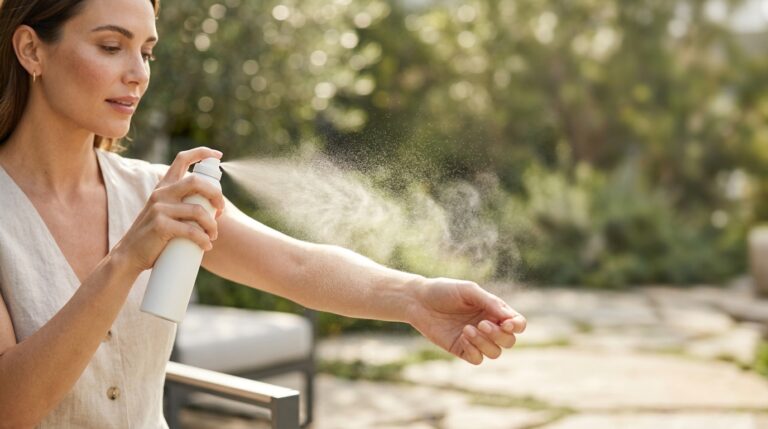

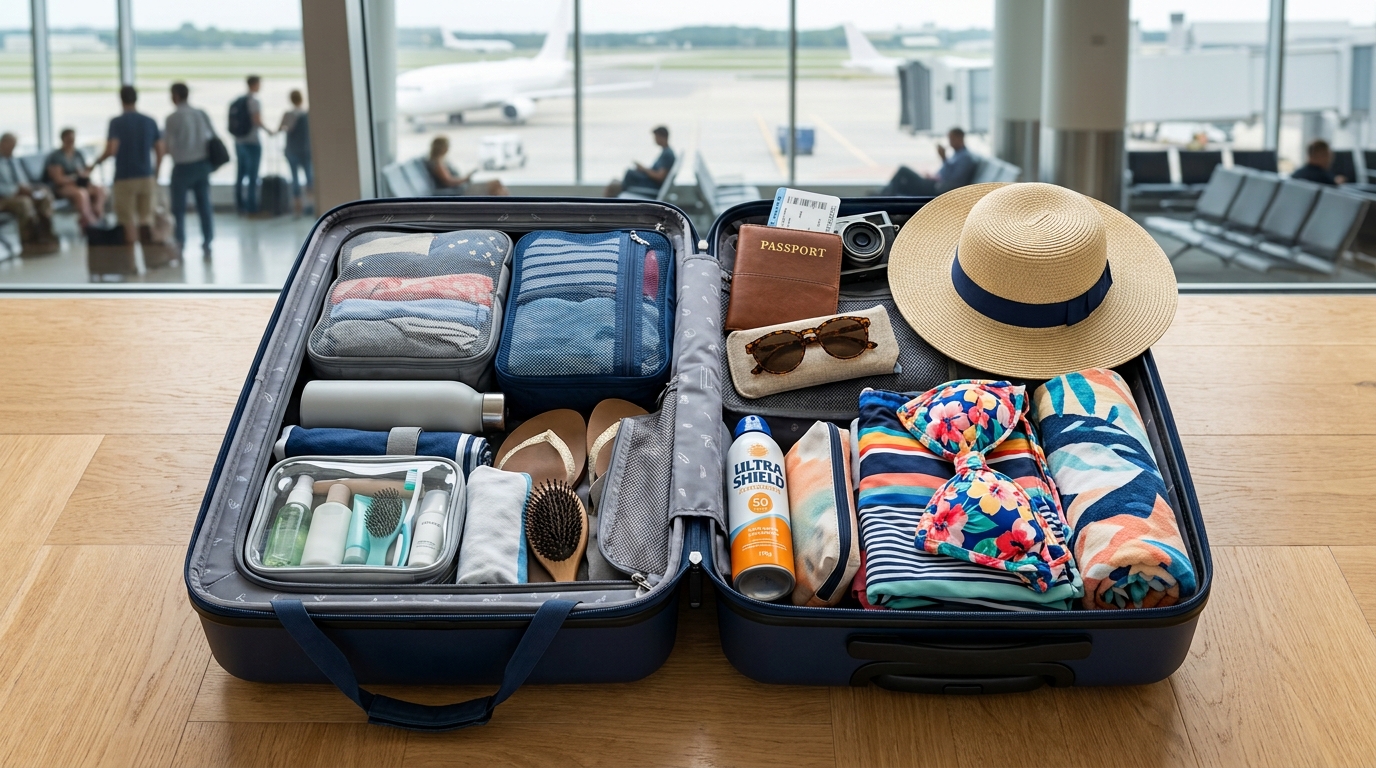
So you’re standing in your bedroom staring down that can of spray sunscreen, wondering can you put aerosol sunscreen in checked luggage or is it gonna get flagged and tossed by some bored TSA agent at 5am. Yeah, I’ve been there too, half packed suitcase, sunscreen in one hand, phone in the other googling this exact thing while my flight leaves in six hours. It’s one of those questions that sounds simple until you actually try to find a real answer instead of some vague “it depends” from a forum post written in 2014.
Here’s the short version before we get into the weeds: yes, you generally can. But there’s nuance, and the nuance is exactly the part that trips people up at check in, or worse, gets your bag flagged for a manual search when you’re already running late.
The Actual Rule, Not The Rumor
Most people assume aerosols are basically banned from flying altogether, probably because carry on liquid rules get drilled into everyone’s head so much. But checked luggage plays by a different set of rules entirely, and honestly it’s way more forgiving than the quart bag nonsense at security.
According to TSA’s own guidance, aerosol sunscreen is treated the same as other liquids and aerosols once it’s headed into your checked bag, meaning theres a total aggregate limit per traveler along with a per container cap. The total aggregate quantity per person cannot exceed 2 kg or 70 ounces, and the capacity of each individual container must not exceed 0.5 kg or 18 ounces.
So in plain terms: you could theoretically pack four full size 18 ounce cans of spray sunscreen (thats a lot of sunscreen, more than most people need for even a month long trip) and still stay under the limit, as long as your combined total doesn’t blow past that 70 ounce ceiling.
Wait, Isn’t Sunscreen Just Considered A Liquid?
Kind of, yes. It’s a bit of a gray area that even seasoned travelers get confused by. Whether we’re talking lotion, gel, spray or aerosol, TSA lumps most sunscreen formats into the same broad liquids and aerosols category, at least for carry on purposes. You’re allowed to bring a quart sized bag of liquids, aerosols, gels, creams and pastes through the checkpoint, limited to travel sized containers of 3.4 ounces or 100 milliliters or less per item. Anything bigger than that has gotta go in your checked bag, no way around it at the checkpoint itself.
One travel blog summarized it pretty well when they noted that sunscreen sits right at the intersection of TSA liquid and aerosol rules, which is exactly why it causes more confusion than most other toiletries people pack.
Checked Bag Rules Table (Because Nobody Wants To Read Ten Paragraphs)
| What You’re Packing | Carry On Limit | Checked Bag Limit |
|---|---|---|
| Aerosol/spray sunscreen | 3.4 oz per container, in quart bag | 18 oz per container, 70 oz total per person |
| Lotion or gel sunscreen | 3.4 oz per container, in quart bag | 18 oz per container, 70 oz total per person |
| Sunscreen stick | No restriction, solid item | No restriction |
| Sunscreen powder | No restriction, solid item | No restriction |
I know tables feel a little clinical for something this mundane but honestly it saves you from squinting through five paragraphs trying to find the one number you actually need.
Why Airlines Sometimes Add Their Own Twist
Here’s the part that catches people off guard even when they’ve done their TSA homework properly. TSA sets the baseline federal rule but individual airlines can, and sometimes do, apply their own restrictions on top of it, particularly with anything pressurized or flammable. One retailer’s guide flagged this directly, pointing out that while larger quantities of aerosol sunscreen are allowed in checked baggage, airlines often have their own limits on the total volume of aerosols, so it’s worth checking with your specific airline before you fly.
This is honestly the step most people skip. They check TSA.gov, feel confident, pack their bag, and never once glance at their airline’s own dangerous goods page. Ninety nine percent of the time it doesn’t matter because your two cans of spray sunscreen are nowhere near any limit. But if you’re someone hauling six cans back from a beach trip because your resort brand isn’t sold at home, that’s when it actually becomes relevant.
The Flammability Thing Nobody Talks About Enough
This is the bit I think gets glossed over most. Aerosol sunscreen isn’t just a liquid sitting in a can, its pressurized, and a lot of formulas use propellants that are technically flammable. That matters because dangerous goods regulations treat flammable aerosols with more caution than your average lotion bottle.
As one sun care brand put it, aerosol sunscreens come with additional considerations because they are pressurized and may be classified as flammable products, so it’s essential to always check the label and follow airline guidelines to avoid carrying prohibited items. Realistically, almost every mainstream spray sunscreen you’d grab off a drugstore shelf is fine to check, this isn’t a “you’ll definitely get in trouble” warning, more of a “read the can once before you fly with six of them” kind of thing.
Practical Tips For Not Ending Up With A Suitcase That Smells Like Coconut
A few things I’ve picked up, some the hard way, some just from paying attention:
- Keep the cap or nozzle lock engaged if your can has one. Cabin pressure changes during flight and a can that gets jostled around for four hours can absolutely trigger an accidental spray.
- Wrap it in a plastic bag before nestling it into your clothes. Even a small leak can ruin a shirt, and trust me, coconut scented luggage isn’t the vibe you want when you land.
- Put it in the middle of your suitcase, surrounded by soft stuff like clothing, rather than against the hard shell where it might get crushed by baggage handlers who are, lets be honest, not always gentle.
- Don’t assume “under 18 ounces” automatically means it’s fine, check that your total aerosol volume across everything you’re packing (bug spray, dry shampoo, sunscreen, hairspray) stays under that 70 ounce combined ceiling.
- If you’re flying internationally, glance at your destination country’s rules too, most follow similar liquid and aerosol guidelines but enforcement really does vary airport to airport.
What About Bringing It Home From Vacation
This one comes up a lot, people buy sunscreen abroad, especially somewhere like Hawaii or Mexico, and want to bring extra bottles home in their checked bag. The same 18 ounce per container and 70 ounce aggregate rule applies on the return leg too, it’s not a one way thing. So if you bought four cans at a beach shop because it was cheaper than back home, do the quick math before you pack them all into one suitcase.
Also worth mentioning, some destinations have their own sunscreen ingredient restrictions that have nothing to do with flying but matter for what you’re allowed to even buy or use locally. For instance, certain places restrict oxybenzone and octinoxate over coral reef concerns, which is a separate issue from airport rules but worth knowing if you’re shopping for sunscreen once you land somewhere tropical.
A Quick Reality Check On What Actually Gets Confiscated
Most confiscations happen at the carry on checkpoint, not with checked bags. TSA agents aren’t rifling through checked luggage pulling out sunscreen cans that are within legal limits, that’s just not how it works. The confiscation stories you hear are almost always about someone trying to bring a full size can through the carry on checkpoint, not about checked baggage getting flagged.
That said, checked bags do go through screening too, and if something alarms during that screening (which can happen for all sorts of reasons unrelated to sunscreen) it gets a manual look. This is rare and usually resolved without your sunscreen even being touched.
So, Bottom Line
Can you put aerosol sunscreen in checked luggage? Yes, comfortably, as long as each can stays under 18 ounces and your combined aerosol total across your whole suitcase doesn’t exceed 70 ounces. Pack it securely, keep the nozzle locked, wrap it to guard against leaks, and maybe double check your airline’s own policy if you’re bringing more than a can or two. It really isn’t the ordeal a lot of first time nervous flyers build it up to be in their head, the rules exist, theyre published, and once you know them the whole thing takes about thirty seconds to plan around.