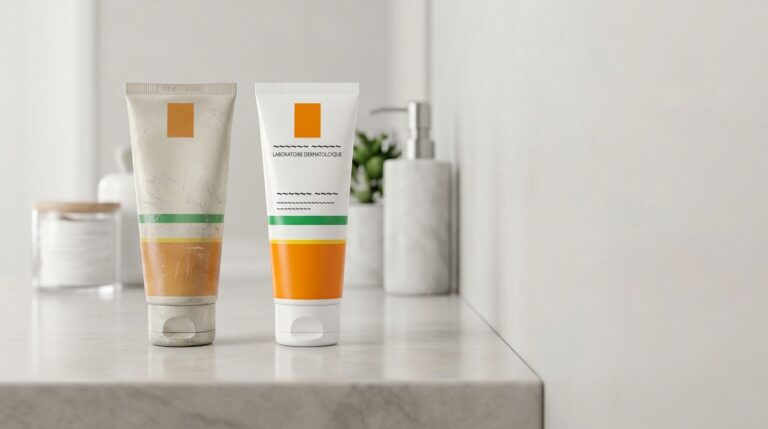


You’ve probably caught yourself wondering when did sunscreen come out after spotting old beach photos where nobody seemed worried about UV rays, and yeah, it kinda makes you think. If sunscreen feels like a modern invention that suddenly appeared on every store shelf, the story is actually way older, stranger, and honestly a bit more fascinating than most people expect. The road from sticky homemade skin mixtures to today’s lightweight SPF lotions wasn’t smooth at all, and people spent centuries trying odd solutions before science finally caught up.
Sunscreen today is something millions of people apply before heading outside, whether they’re spending a day at the beach, hiking through mountains, or simply walking to work. Yet protecting skin from sunlight has been a concern for civilizations stretching back thousands of years. Long before laboratories developed chemical UV filters, people experimented with minerals, oils, plant extracts, clothing, and even mud to reduce the effects of intense sunlight. Some of those methods worked surprisingly well, while others mostly offered false confidence.
Understanding the evolution of sunscreen helps explain why modern formulas continue to improve every year. It also reveals how medicine, chemistry, military needs, and public health all played unexpected roles in creating the sunscreen products sitting in your bathroom cabinet right now.
Ancient civilizations protected skin long before sunscreen existed
Although modern sunscreen had not yet been invented, ancient societies clearly recognized that excessive sun exposure could damage the skin. Their solutions depended on the resources available in their environment, which is kinda clever when you think about it.
Historical records show several interesting approaches:
| Civilization | Sun Protection Method | Purpose |
|---|---|---|
| Ancient Egypt | Rice bran, jasmine, lupine extracts | Reduce sun damage and maintain lighter skin |
| Ancient Greece | Olive oil (though not very protective) | Moisturizing and cultural practices |
| Ancient Rome | Protective clothing and shade | Minimize prolonged sun exposure |
| China | Silk garments and wide hats | Block direct sunlight |
| Indigenous cultures | Clay, mud, mineral pigments | Natural UV barrier |
Modern researchers have discovered that some natural ingredients used historically actually contained antioxidant compounds that could provide limited protection against ultraviolet damage. Others worked simply because they physically blocked sunlight.
It’s funny in a way because they didn’t know about UVA or UVB radiation, yet observation taught them enough to realize too much sun wasn’t all that great.
When did sunscreen come out in its recognizable form?
If you’re asking when did sunscreen come out as an actual manufactured product, most historians point to the 1930s and 1940s.
The earliest recognizable sunscreen products appeared during this period after scientists began studying ultraviolet radiation more seriously. Increased beach tourism, changing beauty standards, and military requirements all pushed research forward.
Several important milestones shaped sunscreen history:
- 1928: One of the earliest commercial sunscreen formulas appeared in Europe.
- 1935: Australian chemist Milton Blake reportedly developed an early sunscreen lotion.
- 1938: Swiss chemistry student Franz Greiter created a sunscreen after suffering severe sunburn while climbing a mountain.
- 1944: American pharmacist Benjamin Green developed “Red Vet Pet,” a thick petroleum-based sun protectant for U.S. soldiers.
- 1946: Benjamin Green improved his formula after World War II.
- 1956: Franz Greiter introduced one of the earliest SPF rating concepts.
Those inventions gradually transformed sunscreen from a specialty product into something ordinary families could buy.
World War II unexpectedly accelerated sunscreen development
One of the biggest turning points in sunscreen history happened during World War II, which isnt something most people guess.
Soldiers stationed in the Pacific experienced brutal tropical sunlight. Severe sunburn wasn’t merely uncomfortable—it reduced effectiveness, increased infection risk, and complicated military operations.
Benjamin Green, a Florida pharmacist serving in the U.S. military, created a thick red petroleum-based substance nicknamed “Red Vet Pet.” It wasn’t elegant by today’s standards. In fact, soldiers often complained about its texture and appearance.
Still, it worked better than having no protection at all.
After the war, Green refined his product. Eventually his work contributed to the development of commercial sunscreen products sold to civilians. His innovations later influenced products associated with Coppertone, helping sunscreen become part of everyday life.
Military necessity has often accelerated medical innovation, and sunscreen became another example of that pattern.
Franz Greiter and the birth of modern sunscreen science
If one individual deserves enormous credit for modern sunscreen, it’s Swiss chemist Franz Greiter. Franz Greiter
According to historical accounts, Greiter suffered severe sunburn while climbing Piz Buin mountain in Switzerland during 1938. That painful experience motivated him to develop better skin protection.
His company eventually introduced products under the Piz Buin brand, named after the same mountain where he’d been burned.
Even more importantly, Greiter later helped establish the Sun Protection Factor (SPF) system.
Without SPF ratings, comparing sunscreen products would be extremely difficult today.
What exactly is SPF and why was it revolutionary?
SPF, or Sun Protection Factor, measures how effectively sunscreen protects against UVB radiation—the rays primarily responsible for sunburn.
Here’s a simplified explanation:
| SPF | Approximate UVB Protection |
|---|---|
| SPF 15 | About 93% |
| SPF 30 | About 97% |
| SPF 50 | About 98% |
| SPF 100 | About 99% |
These percentages show something many people dont realize: higher SPF numbers offer diminishing returns rather than dramatic jumps in protection.
Dermatologists generally recommend SPF 30 or higher for daily outdoor activities when applied generously and reapplied every two hours.
Early sunscreen formulas were very different
Modern sunscreen often feels light, nearly invisible, and comfortable.
Earlier formulas definitely did not.
Some early products were:
- Thick petroleum pastes
- Sticky wax-based creams
- Greasy oils
- Heavy zinc oxide mixtures
- Difficult-to-remove lotions
People accepted those inconveniences because the alternative was severe sunburn.
Today’s formulas contain carefully engineered ingredients that balance effectiveness, comfort, water resistance, and cosmetic appearance. That balancing act took decades of research, honestly way more than most people imagine.
Chemical filters changed the industry
As chemistry advanced throughout the twentieth century, researchers discovered molecules capable of absorbing ultraviolet radiation before it damaged skin.
These chemical UV filters dramatically improved sunscreen performance.
Some important developments included:
- Better UVB absorption
- Longer-lasting protection
- Improved cosmetic feel
- Water-resistant formulations
- Reduced staining
- Easier daily application
Scientists also realized that blocking UVB alone wasn’t enough.
The discovery of UVA protection
Initially, sunscreen focused mainly on preventing sunburn.
Later research revealed another problem.
UVA radiation penetrates deeper into the skin than UVB and contributes to:
- Premature aging
- Wrinkles
- Hyperpigmentation
- Collagen breakdown
- Increased skin cancer risk
This discovery completely changed sunscreen development.
Manufacturers began creating “broad-spectrum” sunscreens capable of protecting against both UVA and UVB radiation.
Today, dermatologists generally recommend broad-spectrum sunscreen because both forms of ultraviolet radiation affect skin health.
Mineral sunscreen has ancient roots
Interestingly, mineral sunscreen resembles some ancient methods.
Modern mineral sunscreens rely primarily on:
- Zinc oxide
- Titanium dioxide
Rather than absorbing UV radiation, these minerals primarily reflect and scatter sunlight, although research shows they also absorb part of the ultraviolet spectrum.
Ancient civilizations used naturally occurring minerals and clays without understanding the underlying physics. Modern science refined those ideas into highly effective cosmetic formulations.
Sometimes history loops around in weird ways, and this is one of those examples.
Public health campaigns changed public attitudes
During much of the twentieth century, tanned skin became fashionable.
Unfortunately, many people viewed sunburn as merely an inconvenience.
Medical research gradually shifted public opinion.
Organizations including dermatology associations and cancer researchers increasingly emphasized connections between ultraviolet exposure and skin cancer.
According to the World Health Organization, ultraviolet radiation is a major environmental risk factor for skin cancers. The American Academy of Dermatology recommends regular sunscreen use alongside protective clothing, shade, and sunglasses.
Those recommendations helped sunscreen become a daily skincare product instead of something reserved only for vacations.
Modern sunscreen continues evolving
The answer to when did sunscreen come out doesn’t stop in the 1940s because sunscreen keeps evolving.
Today’s innovations include:
- Reef-conscious formulations
- Improved UVA protection
- Lightweight gel textures
- Invisible mineral sunscreens
- Spray formulations
- Stick sunscreens
- Sensitive skin options
- Fragrance-free products
Researchers continue studying better UV filters that offer broader protection with fewer environmental concerns.
Several countries also regulate sunscreen differently, leading to variations in available ingredients around the world.
Common myths about sunscreen history
Many misconceptions still circulate online.
Myth: Sunscreen was invented only recently.
Fact: Early commercial versions appeared nearly a century ago.
Myth: Ancient people never protected themselves.
Fact: Many civilizations developed practical sun-protection methods using clothing, minerals, and plant materials.
Myth: SPF 100 gives twice the protection of SPF 50.
Fact: Protection increases only slightly as SPF rises above 50.
Myth: Sunscreen completely blocks tanning.
Fact: Some tanning can still occur despite proper sunscreen use because no sunscreen blocks 100% of UV radiation.
Why sunscreen matters more today
People now spend more recreational time outdoors, travel more frequently, and often seek sunny destinations year-round.
At the same time, life expectancy has increased, meaning cumulative ultraviolet exposure becomes more significant over decades.
Modern sunscreen forms just one part of a complete sun-safety strategy.
Experts generally recommend combining sunscreen with:
- Wide-brimmed hats
- UV-protective clothing
- Sunglasses
- Seeking shade during peak sunlight
- Reapplying sunscreen every two hours
- Avoiding intentional sunburn
Small habits repeated over many years can substantially reduce cumulative UV damage.
Final thoughts
Looking back at the question when did sunscreen come out, there isn’t just one simple date because sunscreen evolved through centuries of experimentation before becoming the product we recognize today. Ancient civilizations laid the groundwork with natural barriers, early twentieth-century scientists transformed those observations into practical formulas, and wartime innovation accelerated research that eventually reached consumers worldwide.
The sunscreen you pick up today represents generations of chemistry, medicine, public health research, and countless improvements in formulation. From sticky petroleum pastes carried by soldiers to lightweight broad-spectrum lotions worn every morning, the journey has been surprisingly remarkable. And if history tells us anything, sunscreen will probably keep changing as researchers discover even safer, more effective ways to protect our skin from the sun.
When did sunscreen first come out?
Commercial sunscreen first appeared in the late 1920s, while major scientific breakthroughs during the 1930s and 1940s shaped the modern sunscreen products we recognize today.
Who invented modern sunscreen?
Swiss chemist Franz Greiter and American pharmacist Benjamin Green both made major contributions, developing influential sunscreen formulas and advancing practical sun protection during the twentieth century.
Why was sunscreen developed?
Sunscreen was created to reduce sunburn, prevent skin damage, and protect people exposed to intense sunlight, especially soldiers, outdoor workers, athletes, and beachgoers.
Did ancient people have sunscreen?
Ancient civilizations lacked modern sunscreen but used clothing, clay, minerals, plant extracts, oils, hats, and shade to reduce prolonged exposure to harsh sunlight.
Is modern sunscreen better than early formulas?
Yes. Modern sunscreens provide broad-spectrum UVA and UVB protection, improved comfort, water resistance, and better cosmetic appearance compared with earlier thick, greasy formulations.