
You just found an old bottle of sunscreen sitting in your drawer and now you’re wondering, is it okay to use expired sunscreen or should you throw it away and buy a new one? It’s a pretty common situation because sunscreen often gets forgotten until summer arrives, but that little date printed on the bottle actually matters more than many people think. Using a product that has been sitting around for too long can leave you guessing whether your skin is really protected or just covered with a false sense of safety.
Sunscreen is designed to protect your skin from harmful ultraviolet (UV) radiation, but like many skincare products, it does not stay exactly the same forever. Over time, the active ingredients responsible for blocking UV rays can become less effective. The texture, smell, and consistency can also change, making an old bottle something you may not want to put on your face or body.
The confusion happens because expired sunscreen does not suddenly become poisonous the day after its expiration date. It’s not like milk that instantly goes bad overnight. However, its ability to protect your skin can slowly decline, and that is the part people usually overlook.
What Happens When Sunscreen Expires?
When sunscreen reaches its expiration date, the ingredients inside may start breaking down. The most important issue is that the active UV filters may no longer work at the level promised on the label.
Sunscreens contain chemical or mineral filters that absorb, reflect, or scatter UV radiation. These ingredients need to remain stable and evenly distributed throughout the formula. As sunscreen ages, those ingredients can separate, degrade, or lose their effectiveness.
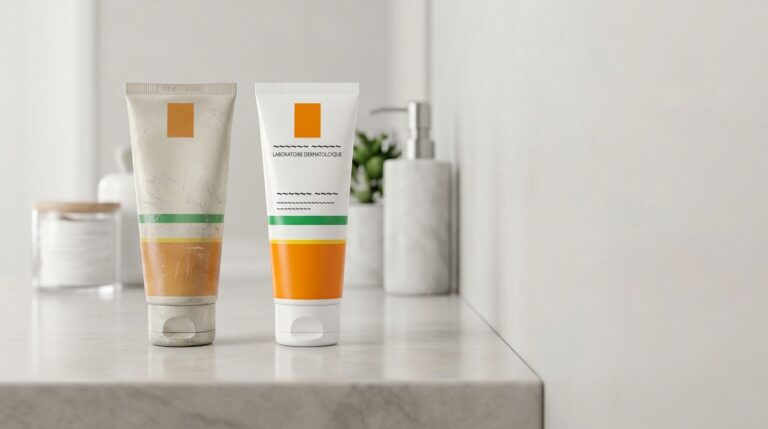
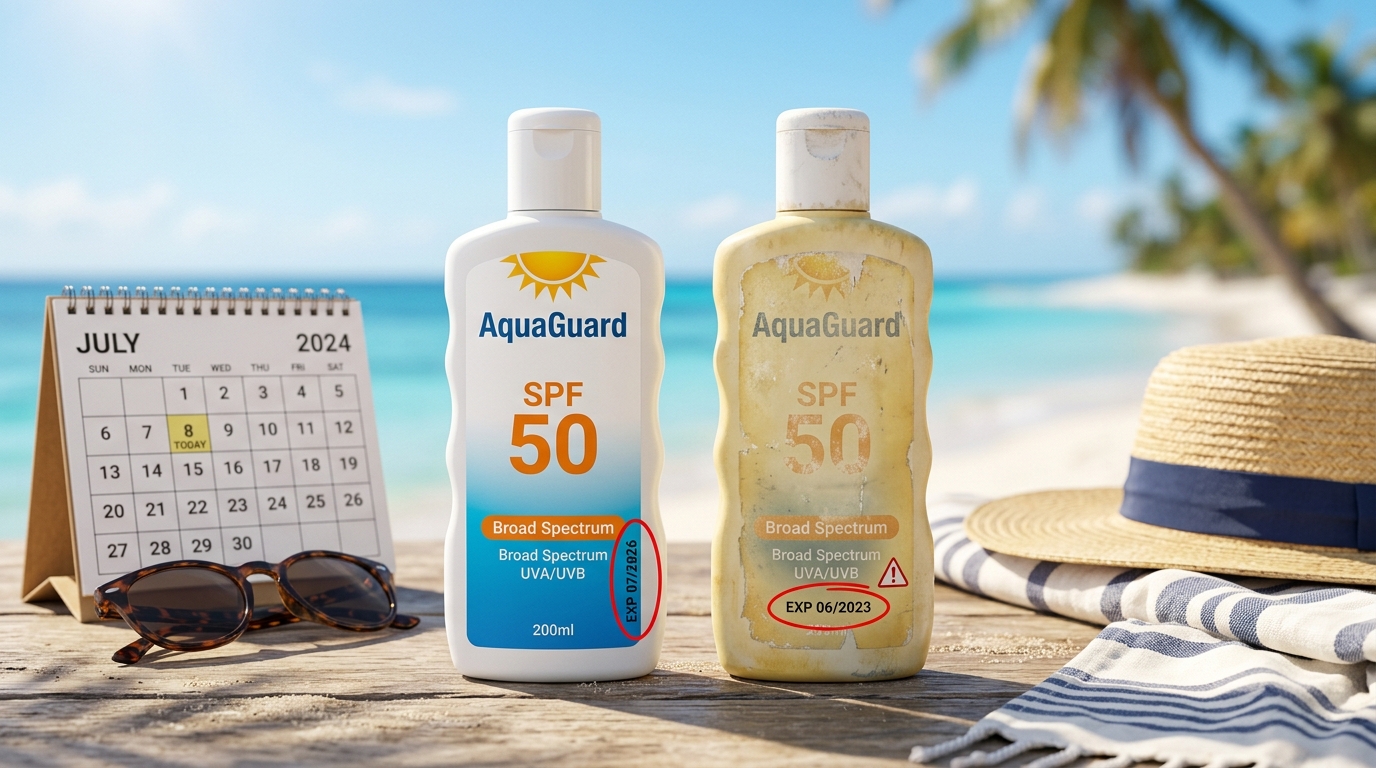
An expired sunscreen might still look normal, which makes things tricky. A bottle can appear smooth and smell fine while providing much weaker protection than expected. This is why checking only appearance is not always enough.
According to the U.S. Food and Drug Administration (FDA), sunscreen products are required to maintain their original strength for at least three years unless the manufacturer provides a different expiration date. After that period, the product should generally be replaced because its stability and effectiveness may not be guaranteed.
Is It Safe to Use Expired Sunscreen?
The short answer is: sometimes it may be physically safe, but it may not protect your skin properly.
If you apply expired sunscreen, the biggest concern is not usually skin poisoning or immediate danger. The bigger problem is that you may believe you are protected while your skin is still receiving UV damage.
Imagine applying an expired SPF 50 sunscreen before a beach day. You might think you have strong protection, but if the formula has weakened, your skin could burn faster than expected. That false confidence is where the real risk comes in.
Using expired sunscreen once by accident is unlikely to cause serious harm for most people. However, making it your regular sunscreen is not a good idea, especially when spending long periods outdoors.
How Long Does Sunscreen Last?
Most sunscreens last about three years from the date of manufacture if stored properly. Many brands print an expiration date directly on the bottle, while others may include a batch code.
A sunscreen’s lifespan can become shorter if it is exposed to heat, sunlight, or moisture. For example, leaving a sunscreen bottle inside a hot car during summer can damage the formula much faster.
Here are common factors that affect sunscreen shelf life:
| Factor | Effect on Sunscreen |
|---|---|
| Direct sunlight | Can break down active ingredients |
| High temperatures | May cause separation and reduced effectiveness |
| Leaving the cap open | Allows contamination and drying |
| Storing in a cool place | Helps maintain stability |
A sunscreen tube kept inside a bathroom cabinet usually ages differently from one left in a beach bag under the sun for months.
Signs Your Sunscreen Has Gone Bad
Even if the expiration date is missing, your sunscreen may show signs that it is no longer reliable. Your senses can sometimes give clues that something has changed.
Look for these warning signs:
- The sunscreen has separated into liquid and solid parts
- The texture feels unusually watery, thick, or grainy
- The color has changed
- It smells strange or different from when you first bought it
- The formula does not spread evenly on your skin
- The packaging looks damaged or swollen
If you notice these changes, it is better to replace the sunscreen rather than taking a chance. Your skin deserves better than a questionable bottle that has been forgotten for years.
Can Expired Sunscreen Still Prevent Sunburn?
Expired sunscreen might still offer some level of protection, but there is no reliable way to know how much protection remains.
The SPF number printed on sunscreen refers to its tested ability when the formula is fresh and properly stored. Once expired, the SPF level may not match what is written on the label anymore.
For example, an old SPF 30 sunscreen may not behave like a new SPF 30 product. It could provide reduced protection, and the amount of reduction depends on how old it is and how it was stored.
This is why dermatologists usually recommend replacing expired sunscreen instead of trying to estimate its remaining strength. Skin protection is not really the place where guessing works very well.
What If You Accidentally Used Expired Sunscreen?
Don’t panic if you used expired sunscreen once. A single application is unlikely to create a major problem.
However, pay attention to your skin, especially if you were outdoors. If you develop redness, burning, or signs of sunburn, take normal sunburn care steps such as cooling the skin, drinking enough water, and avoiding more sun exposure.
If you are heading outside again, use a fresh sunscreen with broad-spectrum protection and an SPF of 30 or higher.
Does Expired Sunscreen Cause Skin Problems?
Expired sunscreen can sometimes irritate the skin because the formula may change over time. Ingredients that were stable when new may break down or interact differently after years of storage.
People with sensitive skin may notice:
- Redness
- Itching
- Burning sensations
- Small bumps or irritation
This does not happen to everyone, but older skincare products generally have a higher chance of causing unexpected reactions.
Another concern is contamination. Once a sunscreen bottle has been opened and used repeatedly, bacteria or other microorganisms can enter the container, especially if the product is stored in warm or humid conditions.
How to Store Sunscreen Properly to Make It Last Longer
Proper storage can help sunscreen maintain its quality until the expiration date. A few simple habits make a bigger difference than people realize.
Keep sunscreen:
- Away from direct sunlight
- In a cool, dry place
- Tightly closed when not being used
- Away from extreme heat
If you take sunscreen to the beach or pool, try keeping it inside a bag or cooler instead of leaving it directly under the sun. Heat is basically sunscreen’s enemy, and it quietly damages the formula without announcing itself.
Should You Throw Away Expired Sunscreen?
If your sunscreen is expired, replacing it is usually the smartest choice. Sunscreen is not just another moisturizer; it is a protective product designed to reduce your risk of sunburn, premature skin aging, and UV-related skin damage.
Throwing away an old bottle may feel wasteful, especially if it looks almost full, but using ineffective sunscreen can cost more in the long run. A fresh bottle gives you confidence that your skin is actually receiving the protection you expect.
For people who regularly use sunscreen, a good habit is checking expiration dates at the beginning of each summer season. This small check can save you from discovering an expired bottle right before a vacation or outdoor event.
Expired Sunscreen vs New Sunscreen: Quick Comparison
| Feature | Expired Sunscreen | New Sunscreen |
|---|---|---|
| UV protection | May be reduced or unreliable | Tested for labeled SPF protection |
| Texture | May separate or change | Usually smooth and stable |
| Safety | Higher chance of irritation | Designed for safe use |
| Confidence | Hard to know effectiveness | More predictable protection |
Expert Recommendations About Expired Sunscreen
Many dermatologists suggest treating sunscreen like a safety product rather than a normal beauty product. Similar to checking the condition of protective equipment, you want to know that it actually works when you need it.
The American Academy of Dermatology recommends using broad-spectrum sunscreen with SPF 30 or higher, applying enough product, and reapplying regularly when exposed to sunlight.
The biggest sunscreen mistake is often not just using an expired product, but also using too little. Even a fresh sunscreen cannot provide proper protection if only a thin layer is applied.
Final Thoughts: Is It Okay to Use Expired Sunscreen?
So, is it okay to use expired sunscreen? While one accidental use probably will not harm you, expired sunscreen should not be your main protection against the sun. The active ingredients may weaken, the formula can change, and you may not receive the SPF protection you think you are getting.
If your sunscreen is past its expiration date, has been sitting in heat, or looks different than before, replacing it is the safer choice. A new bottle is a small investment compared with protecting your skin from unnecessary UV damage.
Your sunscreen should give you confidence when you step outside, not leave you wondering whether it is secretly doing nothing.
FAQs About Using Expired Sunscreen
Is expired sunscreen harmful to your skin?
Expired sunscreen is usually not toxic, but it may cause irritation and provide weaker UV protection than a fresh product.
Can I use sunscreen one month after expiration?
Using sunscreen one month after expiration is unlikely to cause harm, but its effectiveness may not be fully guaranteed.
Does expired sunscreen still work?
Expired sunscreen may still offer some protection, but the SPF level can decrease and become unreliable over time.
How can I tell if sunscreen is expired?
Check the expiration date and look for changes like separation, unusual smell, altered texture, or color changes.
Should I throw away sunscreen after three years?
Yes, sunscreen older than three years should generally be replaced because its active ingredients may no longer provide reliable protection.