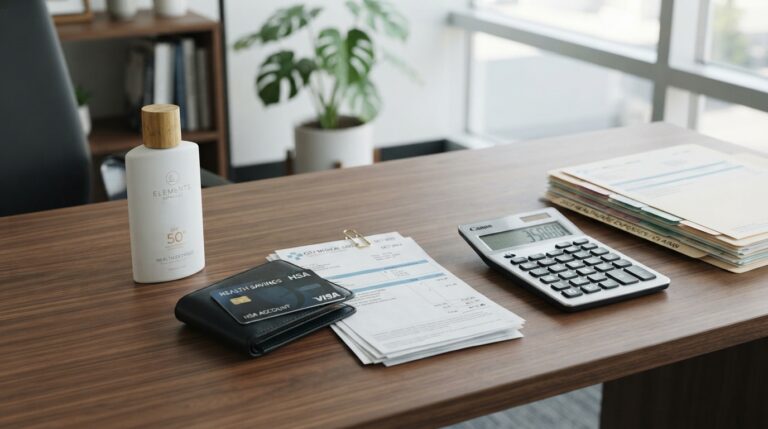

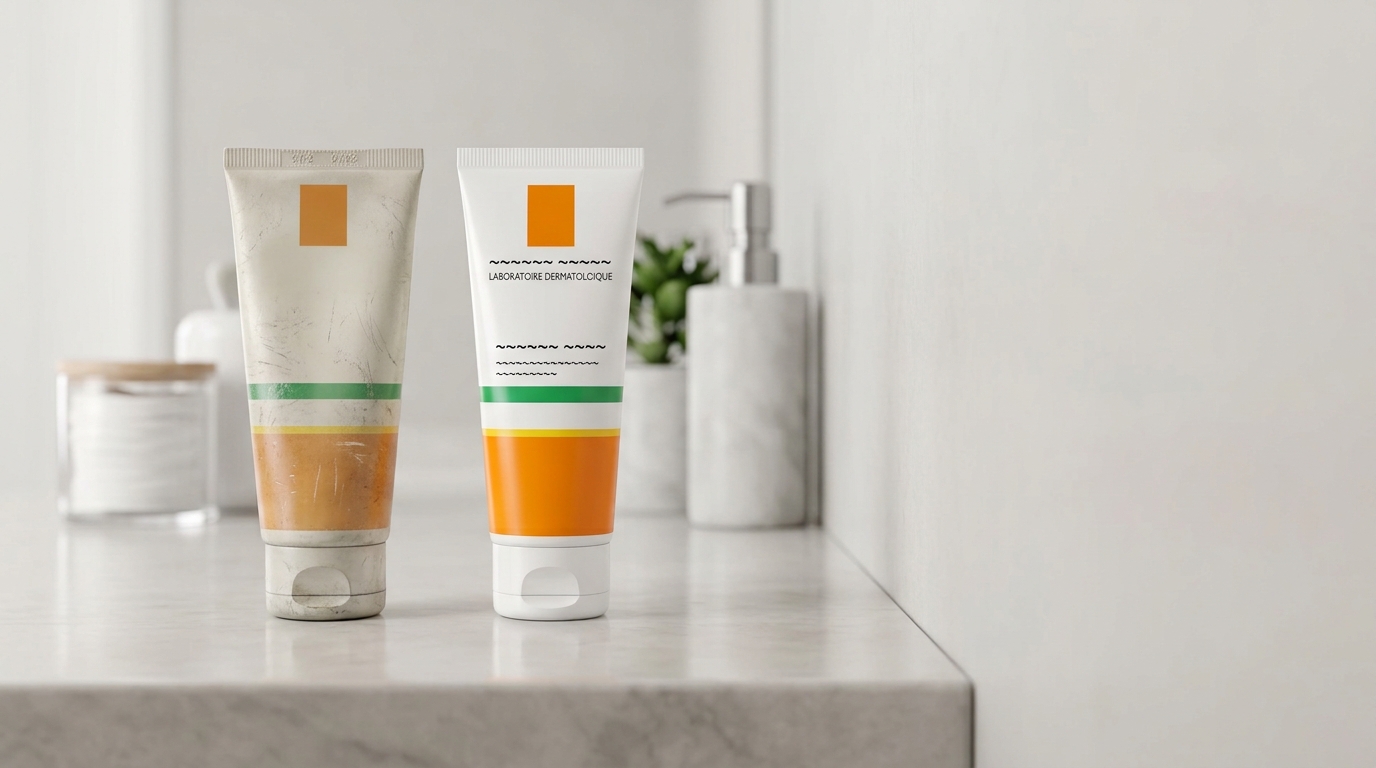
Is it bad to use expired sunscreen? If you’re staring at an old bottle in your bathroom or beach bag thinking, “It still looks perfectly fine though,” honestly, that little doubt is there for a reason. Sunscreen isn’t one of those products you can casually keep using forever just because the cap still closes and the lotion hasn’t turned into something visibly strange. And yes, the answer is usually not the one you want to hear.
The problem with expired sunscreen is not always dramatic. It may not burn your skin the second you apply it, and you might not notice anything unusual at all. The bigger issue is much sneakier: you may believe your skin is protected while the product no longer delivers the level of sun protection promised on the label. That false confidence is where things get a bit messy.
Is it bad to use expired sunscreen?
Yes, using expired sunscreen is generally a bad idea because its effectiveness and safety can no longer be assured. The U.S. Food and Drug Administration (FDA) advises people not to use sunscreen after its expiration date and recommends discarding it because it may no longer be safe or fully effective.
The American Academy of Dermatology also recommends throwing away expired sunscreen. Dermatologists explain that the active ingredients responsible for protecting your skin from UV radiation can break down over time. In some cases, the product itself may also become irritating or spoiled.
And here’s the part many people miss: expired sunscreen does not suddenly become useless at midnight on the expiration date. It is not a magical switch. But after that date, the manufacturer is no longer guaranteeing the product’s labeled performance, so you have no reliable way to know how much protection is actually left. That’s a pretty poor gamble when the sun is involved, frankly.
What happens when sunscreen expires?
Sunscreen is a carefully formulated product containing UV filters and other ingredients that help keep the formula stable and spread evenly over your skin. Over time, those components can degrade.
Think of it like this: sunscreen needs to create a reasonably consistent layer across exposed skin. If the formula becomes unstable, separates, or the active ingredients lose strength, you may not receive the SPF protection printed on the bottle.
Expired sunscreen may provide weaker UV protection
This is the main concern. The FDA requires sunscreens to carry an expiration date unless stability testing has shown that the product remains stable for at least three years. If a sunscreen has passed its expiration date, the FDA says there is no assurance that it remains fully effective.
That means your SPF 50 sunscreen may not reliably perform like SPF 50 anymore. It would be wrong to claim that every expired bottle drops to a specific lower SPF, because there is no simple universal number for that. The exact change depends on the product, ingredients, storage conditions, and how old it is.
So if you’re asking, “Can I use expired sunscreen and still be protected?” the honest answer is: you cannot count on it.
The texture and formula can change
Sometimes the sunscreen gives you a warning before the date even arrives. You may notice:
- A strange or foul smell
- A major change in color
- Oil and solid layers separating
- A dry, flaky texture
- Clumps or an unusually grainy feel
The AAD notes that sunscreen can spoil before its printed expiration date, especially when exposed to heat or direct sunlight. A product left in a hot car, for example, may degrade faster than one stored properly in a cool place.
It may irritate your skin
Expired sunscreen isn’t guaranteed to cause a rash, but degraded products may irritate the skin or trigger an allergic reaction. The AAD also notes that old products can potentially develop mold or bacterial growth over time.
If your face suddenly feels itchy, stings badly, or develops redness after applying an old sunscreen, don’t keep rubbing it in thinking your skin is “adjusting.” Wash it off and stop using the product.
Is expired sunscreen dangerous or just less effective?
This is where people usually want a simple yes or no, but the answer needs a little more care.
Expired sunscreen can be both less effective and potentially irritating. The biggest practical danger is usually inadequate sun protection. You apply the sunscreen, assume you’re covered, spend hours outside, and end up with far more UV exposure than you intended.
UV radiation is not harmless just because your skin doesn’t immediately turn red. The World Health Organization says excessive UV exposure can cause sunburn, DNA damage, premature skin aging, and skin cancers. In 2020, more than 1.5 million skin cancer cases were diagnosed globally, according to WHO data.
That does not mean one accidental use of expired sunscreen will cause skin cancer. Let’s not turn this into unnecessary panic. The concern is repeated or significant UV exposure over time, especially when you repeatedly rely on a product that may not be giving the protection you think it is.
How long does sunscreen last before it expires?
The easiest answer is: check the expiration date on the bottle first.
Under FDA rules, sunscreen must have an expiration date unless the manufacturer has demonstrated stability for at least three years. If a sunscreen has no expiration date, the FDA says it should be considered expired three years after purchase. If you don’t know when you bought it, the FDA recommends discarding it.
| Sunscreen situation | What you should do |
|---|---|
| Printed expiration date has passed | Throw it away |
| No expiration date, bought within 3 years | Use only if it has been stored properly and looks normal |
| No expiration date, purchase date unknown | Discard it |
| Formula has changed noticeably | Discard it, even if the date has not passed |
| Stored in a hot car or direct sun | Replace it if you suspect heat damage |
One small thing worth remembering: the three-year rule is not a magical “opened sunscreen lasts three years” rule. It is guidance for products without an expiration date based on stability requirements. Storage conditions still matter, and a bottle that has spent months cooking in a hot vehicle deserves more suspicion than one sitting in a cool drawer.
Can you use expired sunscreen in an emergency?
If you are already outside and suddenly realize your sunscreen expired last year, don’t panic. But don’t treat that old bottle as reliable protection either.
The safest move is to get fresh sunscreen as soon as possible and use physical sun protection in the meantime. Seek shade, wear tightly woven clothing, cover exposed skin, and use a wide-brimmed hat when practical. WHO recommends combining sunscreen with shade and protective clothing rather than using sunscreen as a way to extend your time in the sun.
If the only sunscreen available is expired, the decision becomes situational. But I would be very cautious about relying on it for a long day at the beach, a hiking trip, or intense midday sun. An old bottle that is several years out of date and looks separated? That one belongs in the bin, not on your face.
Does expired sunscreen still work a little?
Maybe. But “maybe” is exactly why dermatologists and the FDA tell you to replace it.
A sunscreen does not necessarily become completely inactive the moment the expiration date passes. However, there is no dependable way for you to test the remaining SPF at home by looking at the bottle or applying it to one arm. You cannot feel SPF 30 working. You cannot see UVA protection. And not getting sunburned on one particular day does not prove the product worked properly.
The AAD specifically points out that people who get sunburned often used too little sunscreen, failed to reapply, or used expired sunscreen.
So yes, the old sunscreen might still provide some protection. But that’s not the same as saying it is safe to depend on.
What should you do with expired sunscreen?
Honestly, throw it out. I know it feels wasteful, especially when there is half a bottle left, but sunscreen is not a product worth trying to rescue after its expiration date.
Before replacing it, quickly check the rest of your sunscreen collection. You may have one in:
- Your car
- A gym bag
- A beach tote
- A bathroom cabinet
- A travel pouch
Heat is particularly worth watching. The FDA has specifically warned that sunscreen stored in hot environments such as a car may degrade faster.
For your new bottle, write the purchase date on the packaging if there is no expiration date. That tiny habit saves you from the classic “I think I bought this sometime before the pandemic?” situation, which, yes, happens more than people admit.
How to choose and use fresh sunscreen properly
Once you replace the expired product, don’t just buy the first bottle and dab a tiny amount across your cheeks. The way you use sunscreen matters too.
The American Academy of Dermatology recommends using enough sunscreen to cover exposed skin. For most adults, about 1 ounce, roughly a shot-glass amount, is needed for the body areas not covered by clothing. For the face, AAD recommends at least 1 teaspoon, around the length of two fingers.
Look for:
- Broad-spectrum protection
- SPF 30 or higher
- A formula you can apply generously and consistently
Reapply every two hours when outdoors, and reapply immediately after swimming or sweating heavily. WHO also recommends broad-spectrum SPF 30 or higher and regular reapplication, particularly after activities that remove sunscreen.
And please don’t use sunscreen as permission to stay in the harshest sun for eight extra hours. Sunscreen helps reduce UV exposure; it does not make you invincible. Shade and clothing are still doing some very important work in the background.
The bottom line: is it bad to use expired sunscreen?
Yes, it is generally bad to use expired sunscreen as your main sun protection. The product may no longer provide the labeled level of UV protection, and the formula may also become irritating or spoiled. The FDA recommends discarding expired sunscreen, while dermatologists advise replacing products that have passed their expiration date or show changes in smell, color, or texture.
If you are unsure whether your sunscreen is expired, don’t play detective with it. Check the date. If the date is missing and you cannot remember when you bought it, replace it. Your skin is not the place to run a little experiment because you hate wasting half a bottle. Fresh sunscreen, proper application, shade, and protective clothing together give you a much more sensible plan.
Is it bad to use expired sunscreen once?
Using expired sunscreen once does not automatically mean your skin has been harmed, but protection may be unreliable, so replace it and watch for sunburn or irritation.
Can expired sunscreen cause a rash?
Yes, degraded sunscreen may irritate skin or trigger an allergic reaction, particularly if its formula has changed or become contaminated over time.
How long is sunscreen good after the expiration date?
There is no guaranteed safe period after expiration. The FDA recommends discarding sunscreen once its printed expiration date has passed.
Can I use sunscreen with no expiration date?
If purchased within the last three years and stored properly, FDA guidance allows consideration of its stability; otherwise, discard it.
Is expired sunscreen better than no sunscreen?
Expired sunscreen cannot be relied upon for labeled protection. Seek shade, cover exposed skin, and replace the product with fresh sunscreen as soon as possible.