


Finding a half-used bottle of lotion in your beach bag might make you wonder whether it is safe to use expired sunscreen before heading back out into the sun. While it is tempting to ignore the date printed on the packaging to save a few dollars, the reality of SPF efficacy is far more complex than just a number on a label.
Sun protection products are formulated to remain stable under specific conditions, and once those chemical or physical compounds begin to break down, your protection against UV radiation could be significantly compromised. Understanding the risks involved ensures you aren’t unknowingly putting your health in jeopardy during your next outdoor adventure.
Understanding Sunscreen Shelf Life and Expiration
Most sunscreens are designed to maintain their original strength for up to three years from the date of manufacture. Manufacturers calculate this shelf life based on rigorous stability testing, ensuring that the active ingredients remain effective until the expiration date.
If you cannot find a stamped date on your bottle, look for the PAO symbol—a small icon depicting an open jar with a number like “12M” or “24M.” This indicates how many months the product remains potent after you first break the seal.
Why Formulas Degrade Over Time
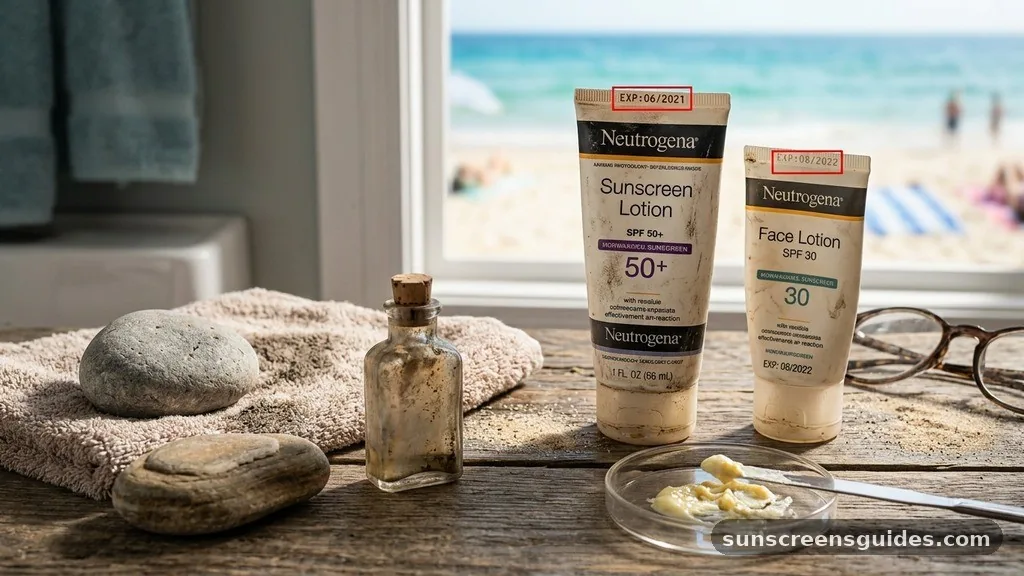
Sunscreen is not a static substance; it is a complex chemical emulsion that is prone to physical and chemical changes. Exposure to high temperatures, such as leaving a bottle in a hot car, accelerates the breakdown of the formula.
This heat stress can cause the ingredients to separate, leading to uneven application and a loss of photostability. When the consistency of the lotion changes—becoming watery, clumpy, or discolored—it is a clear sign that the chemical matrix has failed.
The Role of FDA Regulations
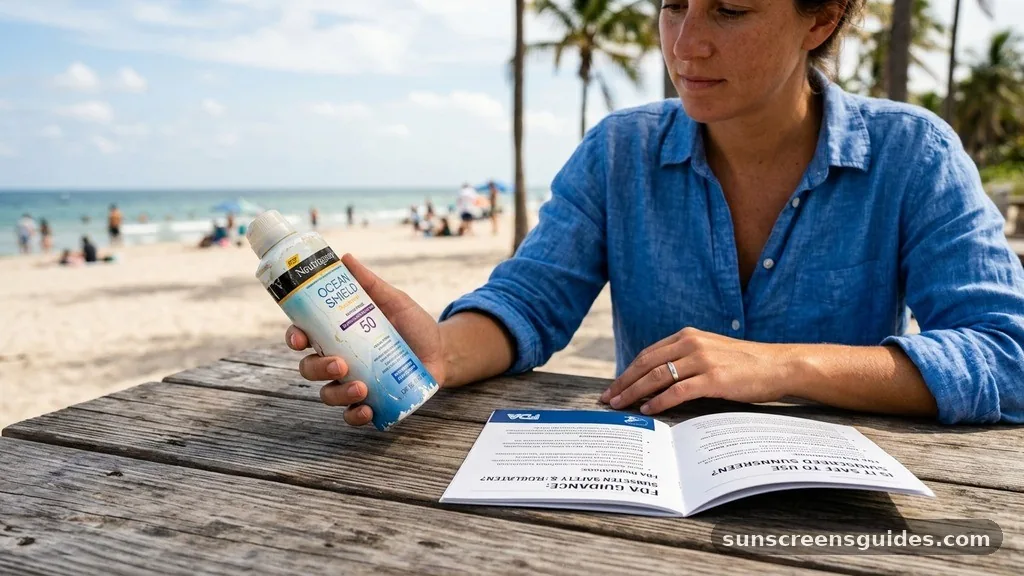
The FDA regulations regarding sunscreens are strict because these products are classified as over-the-counter drugs. Manufacturers must prove that their products provide the stated UVA and UVB protection throughout their entire shelf life.
Once that window passes, the agency no longer guarantees that the product meets the safety or efficacy standards required for sun protection. Relying on an expired product essentially means you are using a cosmetic cream with no verified ability to shield your skin from harmful rays.
Chemical Filters vs. Physical Blockers
The type of protection your sunscreen provides often dictates how it handles aging. Chemical filters, such as avobenzone or octisalate, work by absorbing UV rays and converting them into heat. These compounds are notorious for losing their structural integrity over time, especially when exposed to light and air.
In contrast, physical blockers like zinc oxide and titanium dioxide sit on top of the skin to reflect light. While minerals are more chemically stable than organic filters, the base lotion containing them can still degrade, potentially leading to bacterial growth or an ineffective, patchy application that leaves you vulnerable to a sunburn risk.
| Factor | Chemical Sunscreens | Physical Blockers |
|---|---|---|
| Mechanism | Absorbs UV rays | Reflects UV rays |
| Stability | Low (degrades faster) | High (more robust) |
| Longevity | Sensitive to heat/light | Stable, but base can expire |
The Real-World Risks of Using Expired Products
If you decide that it is safe to use expired sunscreen, you are essentially gambling with your skin barrier health. The most immediate danger is the lack of protection, which increases your likelihood of suffering from painful burns. Long-term exposure to ineffective filters also means you are not being shielded from the cumulative damage caused by UV rays, which is linked to premature aging and more serious skin conditions.
Addressing Common Topical Gaps
Many people assume that if the product looks and smells normal, it must still be working. This is a dangerous misconception. SPF efficacy is determined at the molecular level; even if the lotion feels the same, the molecules responsible for blocking radiation may have already converted into inactive byproducts.
Furthermore, the preservatives in the bottle eventually lose their punch. Using an expired bottle risks introducing bacteria or mold directly onto your skin, which can lead to clogged pores, irritation, or contact dermatitis.
* Check for visual changes: If the lotion has separated into oil and water, it is time to discard it.
* Monitor the scent: A sour or rancid smell indicates that the chemical components have oxidized.
* Assess the texture: Gritty or clumpy formulas will not spread evenly, leaving gaps in your protection.
* Track the purchase date: If you cannot remember when you bought it, assume it is expired.
Is It Better to Use Expired Sunscreen or Nothing?
This is the most common dilemma for beachgoers. While an expired product might offer some marginal protection compared to having absolutely nothing on your skin, it is a poor substitute for a fresh, regulated bottle.
Using a product that has passed its expiration date provides a false sense of security. You are likely to stay out in the sun longer than you should, assuming you are protected, while your skin absorbs radiation that the degraded chemicals can no longer filter out.
If you are stuck in a situation where you only have old sunscreen, it is always safer to seek shade, wear protective clothing, or use a wide-brimmed hat. If you must use the expired product, treat it as a last resort and be aware that you will need to reapply much more frequently. However, the best approach is to replace your supply annually, especially if you spend a lot of time outdoors.
Proper Storage to Extend Product Life
If you want to ensure your sunscreen stays effective until its actual expiration date, how you store it matters. Heat is the enemy of stability. Avoid keeping your bottles in your car’s glove box or in direct sunlight on the pool deck.
Instead, keep them in a cool, dry place like a beach bag kept in the shade or a cooler. By minimizing temperature fluctuations, you help protect the active ingredients from breaking down prematurely.
If you take your sunscreen to the beach, consider wrapping the bottle in a towel or placing it in an insulated pouch. This simple step prevents the product from reaching temperatures that could compromise its chemical structure. When you return home, move the bottles back to a climate-controlled environment, such as a bathroom cabinet or a drawer, away from the humidity of the shower.
Conclusion
Deciding if it is safe to use expired sunscreen is a matter of prioritizing your skin health over the inconvenience of buying a new bottle. Because the stability of chemical and physical filters diminishes over time, using an outdated product often leaves you without the protection you need to prevent sunburn and long-term damage. While it might be tempting to squeeze that last bit of lotion out of an old bottle, the potential for reduced efficacy and bacterial contamination makes it a poor choice for your daily routine.
Prioritize fresh, correctly stored products to keep your skin safe and healthy during the summer months. If you are ever in doubt about the age of a product, it is always best to discard it and invest in a new one.
Is it safe to use expired sunscreen on the face?
No, the skin on your face is sensitive; expired ingredients can cause irritation, breakouts, and inadequate sun protection.
What happens if I use sunscreen that is 2 years past the date?
The active ingredients have likely degraded, meaning you will have little to no protection against harmful UV radiation.
Can I use unopened sunscreen that is expired?
Even if unopened, the chemical stability declines over time, making the product unreliable for proper skin cancer prevention.
How do I know if my sunscreen is still effective?
Check for the expiration date on the bottle and ensure the texture and smell remain consistent with original standards.
Does heat affect sunscreen shelf life?
Yes, extreme heat accelerates the breakdown of chemical filters, significantly reducing the product’s lifespan and overall protective efficacy.
Should I use expired sunscreen if I have nothing else?
It is better to use physical shade, protective clothing, or a hat rather than relying on compromised, ineffective chemical protection.
What is the best way to dispose of old sunscreen?
Check local regulations, but generally, you can throw the container in the trash after emptying the contents appropriately.



