


Understanding what does face serum do for your daily routine is the secret to moving beyond basic cleansing and moisturizing. Serums are lightweight, fast-absorbing liquids designed to deliver a high concentration of specific active ingredients directly into the deeper layers of the skin. Unlike creams that sit primarily on the surface, these potent formulas utilize a smaller molecular weight to penetrate the stratum corneum more effectively.
Whether you are looking to brighten your complexion, smooth fine lines, or calm inflammation, choosing the right serum allows you to target your unique skin concerns with precision. Integrating these concentrated treatments into your regimen transforms how you address long-term skin health.
The Science of Serum Absorption
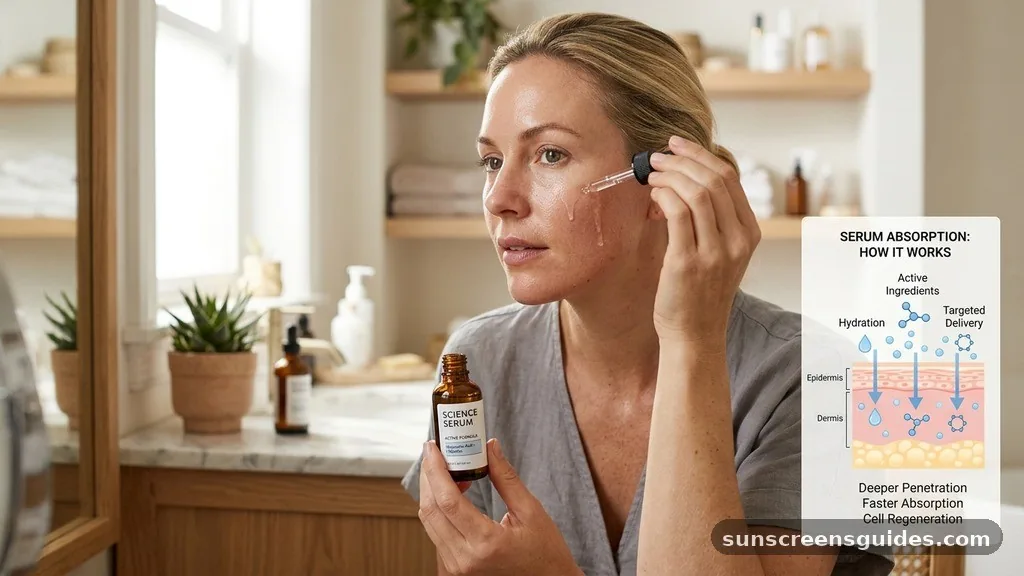
At its core, a serum acts as a delivery system for powerful skincare compounds. Because these products are formulated without the heavy thickening agents or emollients found in traditional moisturizers, they can bypass the top layer of your skin with ease. This allows the ingredients to reach the dermis, where they can influence cellular activity and boost collagen synthesis.
When you apply a serum, the lack of occlusion—the process of creating a physical barrier to seal in moisture—is actually a deliberate design choice. By staying light, the formula ensures that the skin doesn’t feel suffocated, especially if you are layering multiple products. It is essentially a high-performance booster that prepares your skin to receive the benefits of your subsequent moisturizer.
Key Active Ingredients and Their Functions
Different serums address different needs by utilizing specific molecular powerhouses. By recognizing the role of each primary ingredient, you can build a routine that actually delivers results rather than just masking surface issues.
- Hyaluronic Acid: A humectant that pulls moisture into the skin to prevent transepidermal water loss.
- Vitamin C: A potent antioxidant that helps neutralize free radicals and evens out skin tone.
- Retinol: A vitamin A derivative that accelerates cell turnover and supports structural integrity.
- Niacinamide: A versatile form of Vitamin B3 that strengthens the skin barrier and reduces redness.
- Chemical Exfoliants: Acids like AHAs and BHAs that dissolve dead skin cells for a smoother texture.
Comparing Serums and Moisturizers
Many people ask if they really need both a serum and a moisturizer. The answer depends on your skin’s baseline needs and the specific goals you have for your complexion.
| Feature | Face Serum | Face Moisturizer |
|---|---|---|
| Primary Goal | Targeted treatment | Hydration and protection |
| Texture | Lightweight, watery, or gel | Creamy, thick, or lotion |
| Absorption | Deep penetration | Surface-level barrier support |
| Ingredient Load | High concentration of actives | Balanced mix of emollients |
While a serum focuses on solving a problem—such as hyperpigmentation or dehydration—a moisturizer provides the necessary occlusion to keep your skin supple and guarded against environmental stressors. Using them together creates a synergistic effect where the serum treats and the moisturizer protects.
Addressing Common Skin Concerns

If you are wondering what does face serum do for specific issues like acne or dullness, the answer lies in the formulation. For oily or acne-prone skin, look for non-comedogenic serums that focus on regulation rather than hydration. Ingredients like salicylic acid or niacinamide work to clear pores and balance oil production without clogging them.
For those battling signs of aging, serums containing peptides or retinol are the gold standard. These ingredients stimulate the skin’s natural repair processes.
Because these serums are so concentrated, a small amount goes a long way. Consistent daily application is significantly more important than using a large amount of product sporadically.
Topical Gaps: What Most People Get Wrong
There is a common misconception that serums are only for people with “problematic” skin. In reality, everyone can benefit from the targeted delivery of nutrients.
Another gap in understanding involves the timing of application. Many people apply serums to dry skin, which can actually limit their efficacy.
For the best results, apply your serum to slightly damp skin immediately after cleansing. This helps the product spread more evenly and allows the ingredients to lock in the residual moisture from your wash.
Furthermore, many users skip the “wait time.” Giving your serum 30 to 60 seconds to fully absorb before applying your moisturizer ensures that the two products don’t pill or interfere with each other’s performance.
Maximizing Results with Proper Layering
The order in which you apply your products dictates their success. You should always follow a “thinnest to thickest” rule. Since serums are generally the thinnest products in your cabinet, they should be the first step after cleansing and toning.
If you use multiple serums, start with the one that addresses your most pressing concern. For instance, if you are using both a Vitamin C serum for brightness and a hyaluronic acid serum for hydration, apply the Vitamin C first.
Its thinner, water-like consistency needs direct contact with the skin to function as an effective antioxidant. Once that has settled, follow up with your more viscous hydrating serum, and finish with your moisturizer.
Refining Your Daily Routine
When considering what does face serum do in the long run, remember that consistency is your greatest ally. Results from high-quality serums are rarely instantaneous because they often work at the cellular level. Whether you are aiming to improve your skin barrier or increase collagen synthesis, it usually takes about four to six weeks of regular use to see noticeable changes.
Don’t feel pressured to use ten different products. A simple, targeted routine featuring one high-quality serum and a reliable moisturizer often outperforms a cluttered, complicated regimen. Listen to your skin—if it feels sensitive, scale back the frequency of active ingredients like retinol or chemical exfoliation.
Common Questions About Serums
Is it good to use face serum daily?
Yes, most serums are designed for daily use, though active ingredients like retinol may require gradual introduction.
Do I really need a face serum?
You don’t need one to survive, but it is the most efficient way to treat specific skin concerns.
Do I need both serum and moisturizer?
Yes, they serve different purposes; the serum treats specific issues, while the moisturizer seals in hydration.
What are the disadvantages of using serum?
High-potency actives can sometimes cause irritation if used too frequently or if your skin barrier is compromised.
What does face serum do for glowing skin?
It delivers concentrated antioxidants and brighteners directly to the skin, improving texture and promoting a radiant tone.
Should I use face serum every day?
For best results, yes, though you should check the product instructions for specific usage guidelines on actives.
What is the best way to apply face serum?
Apply a small amount to clean, slightly damp skin and gently pat it in until fully absorbed.
Integrating these steps into your day helps you see exactly what does face serum do for your unique complexion. By prioritizing quality ingredients and proper application techniques, you empower your skin to repair and protect itself more effectively. Start small, observe how your skin responds to different formulations, and adjust your routine as your needs evolve over time.
If you have questions about specific product pairings or need help identifying your skin type, speaking with a dermatologist can provide tailored advice. Taking this proactive approach ensures your skincare investment actually pays off in visible, long-lasting health.
Ready to see the difference for yourself? Begin by choosing one serum that targets your primary goal and watch your skin transform.