

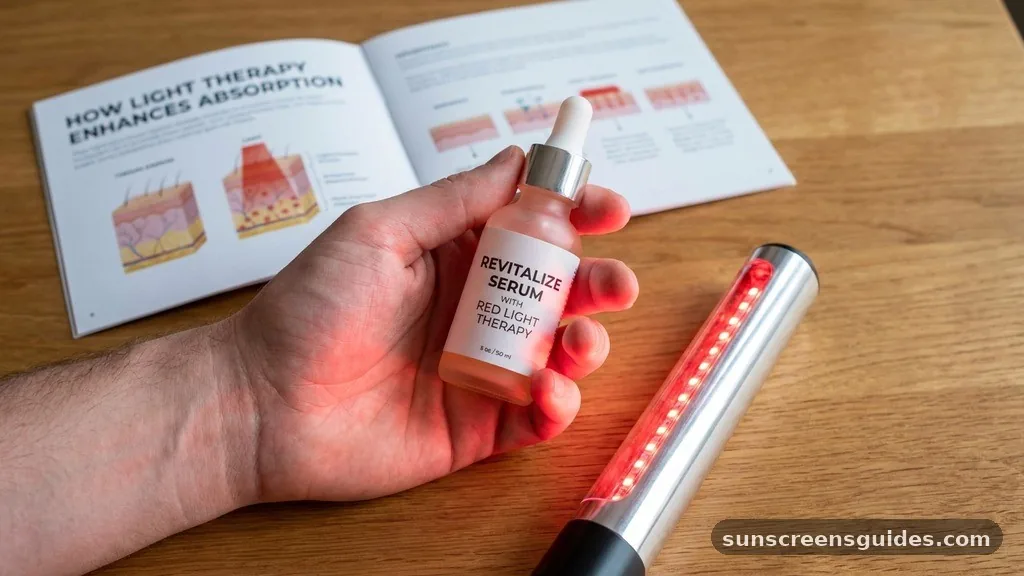
Deciding what serum to use with red light therapy can significantly transform your skin results. While many users treat their light device as a standalone solution, integrating the right topical treatments creates a synergistic effect that boosts your overall skincare routine.
Whether you are aiming to increase collagen synthesis or simply want to maximize the epidermal absorption of your favorite products, understanding how light interacts with active ingredients is essential. By selecting formulas that complement the wavelengths used in your device, you ensure that every session contributes to a healthier, more radiant complexion without causing irritation or blocking the light’s path to your skin.
How Light Therapy Enhances Topical Product Absorption
The primary mechanism behind using a serum during light treatment is the optimization of photobiomodulation. When you apply a product before using an LED face mask, the light energy doesn’t just work on your skin cells; it can help push those active ingredients deeper into the dermal layers.
This process of enhanced transdermal delivery is one of the most effective ways to upgrade a standard beauty regimen. Because the light increases local blood flow and cellular permeability, your skin becomes much more receptive to the nutrients found in your topicals.
However, you must be careful about the texture of the product you choose. A heavy, opaque cream will likely act as a physical barrier, reflecting the light away from your skin and rendering the session less effective. Instead, opt for lightweight, water-based solutions that allow the light to pass through unimpeded.
When you apply a thin, clean serum, you effectively turn your light device into a delivery system, ensuring that the active ingredients reach the exact cells that need them most. This method is particularly effective for targeting fine lines, as the combined action of light and specialized serums works to repair the skin matrix from the inside out.
Choosing the Right Ingredients for Maximum Efficacy
Not every product in your cabinet is suitable for use under a light device. When you consider what serum to use with red light therapy, you should prioritize ingredients that are stable under light exposure and provide clear benefits for your specific skin concerns. Hyaluronic acid is widely considered the gold standard for this purpose.
It is a humectant that draws moisture into the skin, and because it is typically clear and lightweight, it allows for excellent light penetration. It keeps the skin hydrated during the treatment, which is critical because dry skin can sometimes look duller after exposure to light devices.
Another excellent category to consider is niacinamide. This versatile ingredient is known for its ability to strengthen the skin barrier and reduce redness, making it a perfect partner for light therapy, which also works to soothe inflammation.
If you are focused on brightening or anti-aging, a gentle vitamin C serum can be beneficial, though you should check that the specific formulation isn’t too thick or prone to oxidation under light. Always prioritize non-comedogenic formulas to ensure that you aren’t clogging your pores while you work on improving your skin’s overall texture and tone.
Avoiding Ingredients That Interfere With Treatment
The biggest mistake many people make is applying products that are inherently photosensitive or physically obstructive. Some retinols and certain acids, such as high-concentration AHAs or BHAs, can react poorly when exposed to concentrated light energy. This doesn’t necessarily mean they are dangerous, but they may cause unexpected irritation, redness, or sensitivity that could have been avoided.
It is usually best to apply these more aggressive treatments in your evening routine, separate from your light therapy sessions. By keeping these steps distinct, you minimize the risk of inflammatory reactions.
Additionally, avoid products containing heavy oils, waxes, or mineral-based sunscreens before your session. These ingredients sit on the surface of the skin and can effectively shield it from the therapeutic wavelengths of the LED light. If you are using a conductive gel specifically designed for high-powered devices, make sure it is free from additives that might interfere with the light’s frequency.
If you are ever in doubt about a specific product, perform a patch test or wait until after your session to apply your heavier serums. Consistency is key, and keeping your pre-treatment step simple and clean is the safest path to success.
| Ingredient Category | Suitability for Light Therapy | Key Benefit |
|---|---|---|
| Hyaluronic Acid | Highly Recommended | Hydration without light blockage |
| Niacinamide | Excellent | Barrier support and inflammation reduction |
| Vitamin C | Use with Caution | Brightening; check for stable formulations |
| Retinols | Avoid during session | Active treatment; use at night separately |
Addressing Common Topical Application Concerns
Many users wonder if they need a serum at all, or if they are potentially wasting expensive products by using them during light therapy. The answer depends on your goals. While the light itself is effective, a well-chosen serum acts as a catalyst.
If you struggle with dry patches or uneven texture, adding a hydrating, water-based serum is almost always beneficial. Another common question relates to the skincare routine order.
You should always cleanse your face first to remove any makeup, oils, or pollution. Once the skin is clean, apply your serum, wait a moment for it to absorb, and then proceed with your light treatment.
If you find that your skin feels tight after a session, you can apply a moisturizer afterward to seal in the benefits. Many people report that their products seem to “sink in” faster after they have used their light device, which is a testament to the increased epidermal absorption facilitated by the light.
Remember that your device’s power output matters; if you are using a professional-grade panel, you need to be even more careful about what you put on your face compared to a handheld device. Keep your routine simple, prioritize clean, water-based serums, and observe how your skin responds over several weeks of consistent use.
- Cleanse skin thoroughly before starting your device.
- Use only water-based, clear serums to prevent light reflection.
- Apply a thin layer to allow for deep penetration.
- Save heavy oils and retinols for your post-treatment routine.
- Focus on humectants like hyaluronic acid for best results.
- Always perform a patch test if you are trying a new formula.
What if my skin gets dry after light therapy?
If your skin feels tight, follow up your session with a hydrating, ceramide-rich moisturizer to restore balance.
Can I use my LED mask over a sheet mask?
No, most sheet masks have heavy serums or barriers that block light; use them after your session instead.
Are there ingredients that make the skin sensitive to light?
Yes, some essential oils and strong chemical exfoliants can increase sensitivity, so stick to gentle, soothing formulas.
Should I apply serum to my neck and chest as well?
Absolutely, if you are treating those areas with your device, treat them with the same light-compatible serums.
How long should I wait after applying serum to start the light?
Wait about one to two minutes to allow the product to settle into the skin before turning on the device.
Does the serum need to be expensive to work?
Not at all; simple, high-quality hyaluronic acid or niacinamide serums are often more effective than complex, pricey blends.
Can I mix different serums before a session?
It is better to stick to one simple, reliable serum to avoid potential ingredient interactions during the light therapy process.
Optimizing Your Results
Selecting the right serum to use with red light therapy is a straightforward process when you prioritize ingredient purity and light-compatible textures. By focusing on hydration and barrier support, you enhance the natural benefits of your device while ensuring your skin remains calm and receptive. Remember that your skincare routine order is just as important as the products themselves; always start with a clean canvas to allow for optimal penetration.
As you incorporate these steps into your daily life, you will likely notice a significant improvement in how your skin looks and feels. If you have questions about specific product pairings or notice any reaction, scale back to a basic serum and slowly reintroduce your actives. Your journey toward better skin is a marathon, not a sprint, so enjoy the process and stay consistent.



