


It is a common scenario to reach into the back of your bathroom cabinet and pull out a half-used tube of lotion, wondering if it is still safe to use. You might be asking yourself if your mineral sunscreen is still effective after sitting in the heat or simply gathering dust.
While it is easy to assume that because the product is a powder-based mineral, it might last forever, the reality is that does zinc oxide sunscreen expire just like any other skincare product. Understanding the lifecycle of your sun protection is critical to maintaining your skin barrier and ensuring you are adequately shielded from harmful rays.
Manufacturers generally assign a shelf life to these products based on the stability of their active ingredients and the effectiveness of their preservative system. When you use a product past its prime, you aren’t just risking a lack of sun protection; you are potentially inviting unwanted bacteria onto your skin. We will look at the science behind these formulations and provide you with the knowledge to decide if that bottle in your drawer belongs on your face or in the trash.
Understanding Sunscreen Shelf Life and FDA Regulations 
The short answer is yes, sunscreen does eventually lose its potency, as FDA regulations require manufacturers to ensure their products remain stable and effective for a specific duration.
Most sunscreens are formulated to maintain their original SPF rating for up to three years from the date of manufacture. However, this assumes that the product has been stored in a cool, dry place away from direct sunlight.
Sunscreen degradation is a real chemical process. Over time, the ingredients that make up the emulsion—the mix of water, oils, and minerals—begin to separate. While zinc oxide itself is a highly stable mineral, the other components in the tube, such as emulsifiers and preservatives, can break down.
Once these components fail, the product’s texture changes, and it may no longer spread evenly across your skin.
Signs Your Mineral Sunscreen Has Expired
You don’t always need a laboratory test to know when a product is past its prime. Your senses are often the best tools for determining if it is time to toss your bottle. If you notice any of the following, the chemical stability of the formula has likely been compromised:
* Changes in Consistency: If the lotion has become watery, chunky, or separates into two distinct layers that won’t mix back together after a vigorous shake.
* Off-Putting Odors: If the product smells sour, rancid, or simply different from when you first opened it, the oils or preservatives have likely gone bad.
* Discoloration: A significant change in the product’s color can indicate that the oxidation process has occurred, rendering the formula ineffective.
* Packaging Swelling: If the tube or bottle looks bloated or pressurized, it is a sign that gas-producing bacteria may be present.
The Role of the PAO Symbol
When you look at the back of your sunscreen tube, you will likely see a small icon that looks like an open jar with a number and a letter inside, such as “12M.” This is the period after opening or PAO symbol. It serves as a guide for how many months the product is guaranteed to be safe and effective after the seal is broken.
Even if the overall expiration date printed on the bottom of the tube is three years away, the clock starts ticking the moment you expose the formula to air and skin contaminants. Using a product beyond the PAO window increases the risk of contamination. Because mineral sunscreen often lacks the harsh synthetic preservatives found in other cosmetics, it may be more susceptible to microbial growth if left open for too long.
How Heat and Storage Affect Photostability 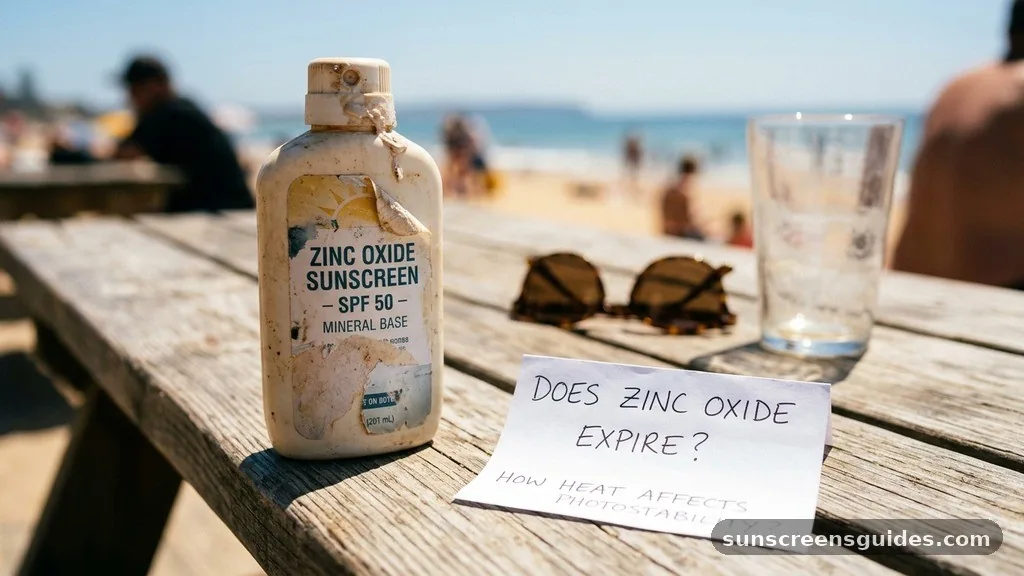
Sunscreen is meant to be used outdoors, but storing it in your car or a hot beach bag is a recipe for disaster.
Heat accelerates the sunscreen degradation process, causing the ingredients to lose their photostability—the ability to remain effective when exposed to ultraviolet light. When a formula loses its stability, it can no longer provide the consistent UVA protection and UVB protection you expect.
| Factor | Impact on Sunscreen |
|---|---|
| Extreme Heat | Accelerates chemical breakdown and separation. |
| Direct Sunlight | Degrades the effectiveness of active ingredients. |
| Air Exposure | Promotes oxidation and bacterial contamination. |
| Humidity | Can alter the texture and stability of the emulsion. |
Keep your products in a cool, shaded area. If you are at the beach, keep your sunscreen inside an insulated cooler or wrapped in a towel to keep the temperature regulated. Taking these steps helps ensure your protection remains reliable for the duration of the product’s intended life.
Why Mineral Sunscreen Differs from Chemical Alternatives
People often wonder if the nature of the active ingredient changes the answer to “does zinc oxide sunscreen expire.”
Unlike chemical filters that absorb UV radiation and convert it into heat, zinc oxide is a physical blocker. It sits on top of the skin to reflect and scatter radiation. Because zinc oxide is an inorganic mineral, it is naturally very stable.
However, the “sunscreen” part of the equation is the entire formula, not just the mineral powder. The vehicle carrying the zinc oxide is just as important. If the oils in the lotion turn rancid, the product becomes unpleasant to use and may cause skin irritation.
Even though the zinc oxide might technically still block rays, the delivery system is no longer performing as designed.
Topical Gaps: Safety and Efficacy of Expired Products
A common point of confusion is whether an expired product is merely “less effective” or if it is actively harmful. The primary risk is not that the zinc oxide disappears, but that the product fails to provide the labeled SPF rating. If you are relying on a product that has been sitting in a hot glovebox for two years, you are likely receiving a fraction of the protection you think you are.
Furthermore, expired products can lead to contact dermatitis or breakouts. As preservatives break down, the product loses its ability to fight off mold and bacteria.
Applying a contaminated lotion to your face or body can lead to infections or clogged pores. It is better to view the expiration date as a strict boundary rather than a suggestion.
Practical Tips for Managing Your Skincare Inventory
To avoid the dilemma of wondering if your sunscreen is still good, consider these habits to keep your supplies fresh:
* Label the Purchase Date: Use a permanent marker to write the date you opened the bottle on the container itself.
* Buy Smaller Sizes: If you only use sunscreen occasionally, purchase smaller tubes that you can finish within a single season.
* Check Before Application: Always give the bottle a quick sniff and a visual inspection before applying it to your skin.
* Avoid Shared Use: If you share sunscreen, try to use a pump or a squeeze tube to prevent bacteria from your hands or other people’s skin from entering the bottle.
Conclusion
Determining if your sun protection is still viable is a simple but important task for your skin health. While zinc oxide is a remarkably stable mineral, the overall formula of your mineral sunscreen is subject to the laws of chemistry, meaning it will eventually succumb to sunscreen degradation. By paying attention to the period after opening and monitoring your products for changes in smell or texture, you ensure that you are getting the UVA protection and UVB protection necessary to prevent sun damage.
Always prioritize your safety by replacing products that have clearly surpassed their prime. Keeping your skincare inventory fresh is one of the easiest ways to maintain a healthy skin barrier and enjoy the outdoors with total peace of mind.
FAQ Does zinc oxide sunscreen expire past the printed date?
Yes, ingredients lose their effectiveness and preservatives degrade, making the product unreliable after the expiration date.
Is it safe to use expired mineral sunscreen?
Using expired sunscreen increases the risk of sunburn and potential skin irritation due to compromised preservatives and bacteria.
How long does zinc oxide sunscreen last once opened?
Most brands suggest discarding the product within 6 to 12 months, or as indicated by the PAO symbol.
What happens to sunscreen left in a hot car?
Heat causes the emulsion to separate, significantly reducing the product’s ability to provide consistent sun protection efficacy.
Can you tell if sunscreen is expired by looking at it?
Yes, signs like color changes, separation of liquids, or a rancid smell indicate the product has gone bad.
Does the zinc oxide ingredient itself stop working?
While the mineral remains stable, the overall formula fails, meaning it will not spread or protect your skin properly.
How should I store sunscreen to make it last longer?
Keep it in a cool, dry place away from direct sunlight, such as a bathroom cabinet or drawer.



