

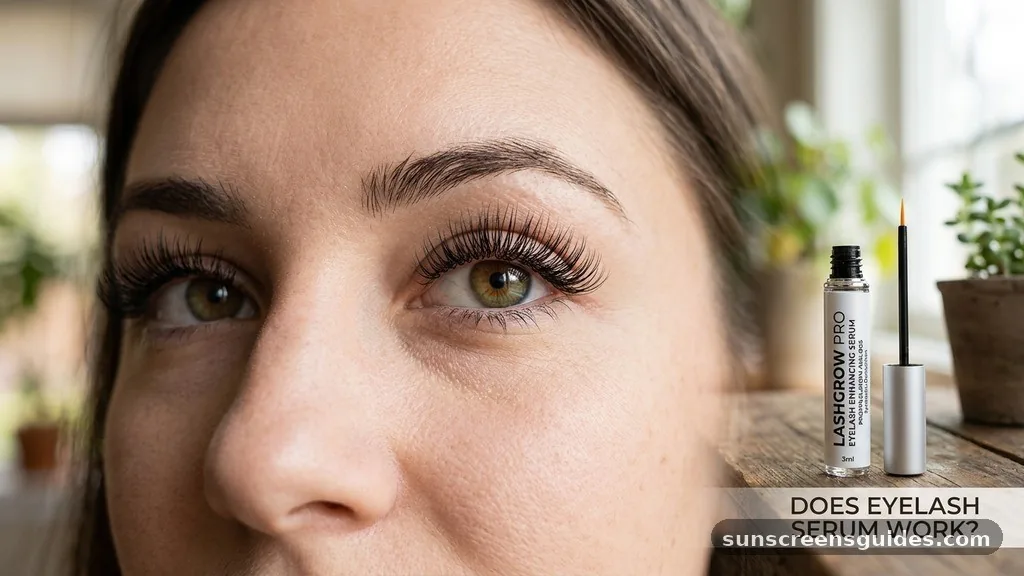
Many people wonder if the popular cosmetic trend of using lash enhancement products actually yields results, and finding out if eyelash serum work is a priority for anyone tired of daily mascara application. These formulas promise longer, thicker lashes by targeting the biological processes of your hair follicles. While the marketing can sometimes sound like magic, the effectiveness of these products is rooted in specific chemical interactions.
Understanding how they function will help you manage your expectations and choose the right product for your beauty routine. We will look at the science behind these serums, the active ingredients that drive results, and the safety precautions you should keep in mind.
The Biological Mechanics Behind Lash Growth
To understand if these products offer real value, you must first look at the hair growth cycle. Your eyelashes, much like the hair on your head, follow a predictable pattern of growth and rest. This cycle consists of the anagen phase (active growth), the catagen phase (transition), and the telogen phase (resting).
Most effective serums aim to prolong the anagen phase. By keeping the follicle in a state of active production for a longer duration, the individual lash has more time to grow in length and density before it naturally sheds. When you apply a serum, you are essentially providing the follicular environment with the signals or nutrients it needs to remain productive.
Ingredients That Influence Results
Not all serums are created equal, and their efficacy is entirely dependent on their chemical composition. The most potent formulas often rely on medical-grade ingredients, while others utilize botanical extracts and amino acids to support lash health.
Prostaglandin Analogs and Synthetic Derivatives
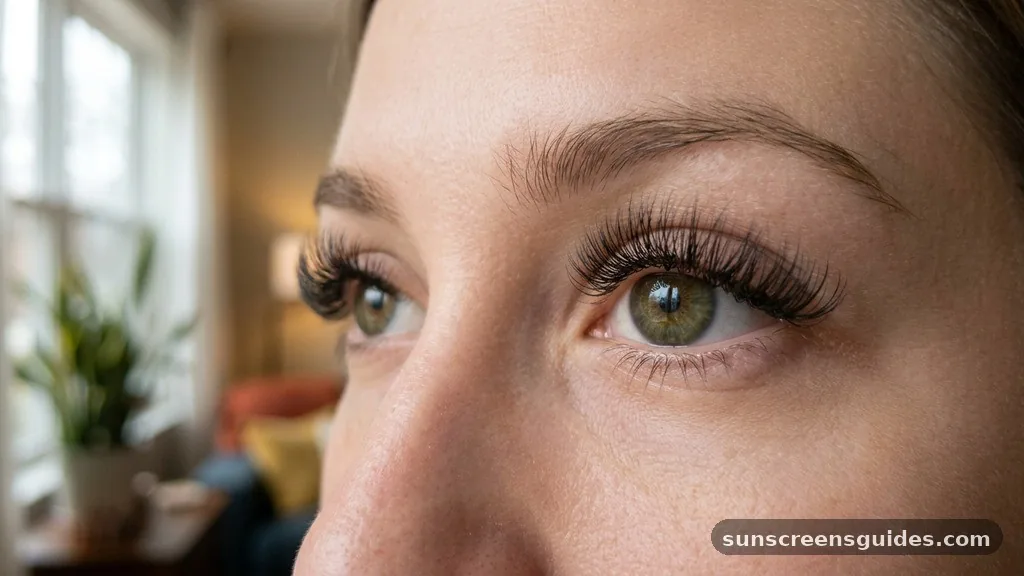
The most powerful category of growth stimulants includes prostaglandin analogs such as bimatoprost. Originally developed to treat glaucoma, researchers noticed that patients experienced significant lash lengthening as a side effect. These compounds work through direct follicular stimulation, essentially forcing the follicles to stay active. Many over-the-counter versions use chemical cousins like isopropyl cloprostenate to mimic these effects without requiring a prescription.
Peptides and Conditioning Agents

If you prefer to avoid prostaglandin derivatives, many high-end formulas pivot toward peptide complexes. These chains of amino acids, such as biotinoyl tripeptide-1, are designed to strengthen the hair shaft and improve the overall structure of the lash. Ingredients like panthenol (provitamin B5) and hyaluronic acid act as conditioning agents. They don’t necessarily trigger rapid growth in the same way as synthetic analogs, but they prevent breakage. By keeping the lashes hydrated and flexible, they appear fuller and healthier, which creates the illusion of increased volume.
| Ingredient Category | Primary Function | Typical Results |
|---|---|---|
| Prostaglandin Analogs | Stimulate follicles to stay in anagen phase | Significant length and density increase |
| Peptide Complexes | Strengthen hair shaft and reduce breakage | Healthier, thicker-looking lashes |
| Conditioning Agents | Hydration and elasticity support | Reduced shedding and improved shine |
Addressing Safety and Ocular Health
While the promise of long lashes is alluring, potential users must prioritize dermatological safety. Because you are applying these substances close to the eyelid, the risk of irritation or systemic absorption is a genuine concern.
Common Side Effects
The most frequently reported issues involve mild irritation, redness, or itching along the lash line. However, more serious concerns include ocular side effects. Some users may experience darkening of the eyelid skin or even changes in iris pigmentation, particularly in individuals with lighter eye colors. This phenomenon is often grouped under the umbrella of prostaglandin-associated periorbitopathy. If you notice persistent redness, blurred vision, or unusual sensations, it is best to discontinue use immediately and consult an ophthalmologist.
Topical Gaps: Managing Expectations and Consistency
One of the biggest misconceptions regarding these products is the timeline for results. Many consumers quit after two weeks, failing to realize that biological change takes time.
- Consistency is non-negotiable: Missing applications disrupts the signaling process required to keep follicles in the growth phase.
- Patience is required: It typically takes 8 to 12 weeks of daily application to see a noticeable, sustained change.
- Maintenance is real: Once you stop using the serum, the follicles will eventually return to their natural, pre-serum growth cycle.
- Compatibility matters: If you wear contact lenses, you should always remove them before application and wait 15 minutes before reinserting them.
- Cleanliness counts: Always ensure your lash line is free of makeup and oil before applying the serum to ensure maximum absorption.
Understanding the Difference Between Growth and Conditioning
It is vital to distinguish between products that actually stimulate growth and those that simply condition. A conditioning serum acts like a leave-in hair conditioner; it makes the existing lashes look better by coating them in proteins and moisture. It won’t turn a short lash into a long one, but it will prevent the premature loss of lashes that are already present.
On the other hand, a growth serum changes the behavior of the follicle itself. If you are struggling with sparse lashes, a conditioning serum might feel like it isn’t working because it isn’t altering the biology of your growth rate.
Variables That Impact Your Personal Results
Why does it seem like a product works wonders for one person but does absolutely nothing for another? Individual biology plays a massive role. Your genetics dictate the baseline length, density, and color of your lashes.
Furthermore, your current health status, diet, and stress levels influence the hair growth cycle. If you are experiencing nutritional deficiencies, such as low biotin or iron, a topical serum may struggle to compensate for an internal lack of building blocks. A holistic approach, combining a balanced diet with your chosen serum, often produces the most impressive, long-term outcomes.
Conclusion
So, does eyelash serum work? The short answer is yes, provided you choose a formula that matches your goals and apply it with religious consistency. Whether you opt for a potent prostaglandin-based serum that directly influences the anagen phase or a gentle peptide-based conditioner that protects your lashes, you are essentially investing in the lifecycle of your hair follicles.
The key to success lies in managing your expectations regarding the timeline and staying vigilant about potential side effects. By prioritizing your eye health and understanding the science, you can achieve the look you want safely. If you are ready to start your journey, consider tracking your progress with photos to see the subtle, cumulative changes over the first few months of use.
FAQ
Do lash serums actually make lashes grow longer?
Yes, serums containing active ingredients like prostaglandin analogs force follicles to remain in the growth phase longer.
How long does it take for results to appear?
You should typically expect to see visible results after 8 to 12 weeks of consistent, daily application.
Are there any permanent side effects?
Some users may experience permanent iris darkening or eyelid skin discoloration, especially with potent prostaglandin-based formulas.
Can you use lash serum on eyebrows?
Many people use them on eyebrows, but ensure the formula is safe for skin and check for specific instructions.
What happens if I stop using the serum?
Once you stop, your lashes will eventually return to their original, natural growth cycle within several weeks.
Are peptide serums as effective as prostaglandin ones?
Peptide serums are generally better for conditioning and preventing breakage rather than inducing significant, rapid lash growth.
Should I talk to a doctor before starting?
Yes, especially if you have a history of eye conditions or are currently using medication for glaucoma.



