

If you have started using a new skincare product, you are probably wondering how long does it take for vitamin C serum to work before you see a visible change in your complexion. While many of us hope for overnight transformations, the biological reality of our skin requires a bit more patience.
Understanding the timeline for results involves looking at the natural cycle of your skin and the specific way this potent topical antioxidant interacts with your cells. By maintaining consistent application and managing your expectations, you can effectively track your progress and decide if a particular formula is the right fit for your unique skin concerns.
The Biological Timeline for Visible Skin Changes
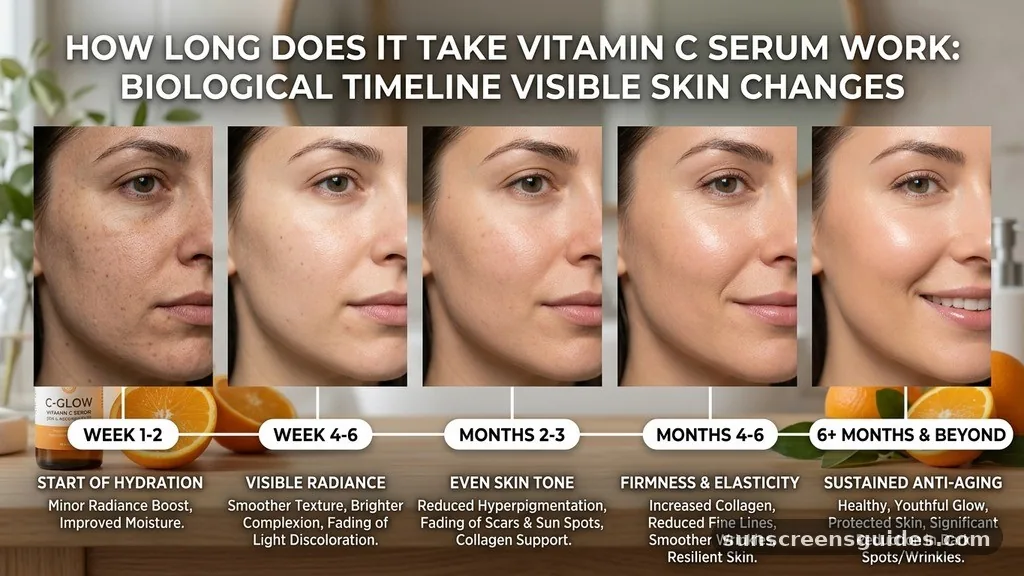
Understanding how long does it take for vitamin C serum to work requires first acknowledging the speed of skin cell turnover. On average, it takes about 28 to 40 days for your skin to cycle through its regeneration process.
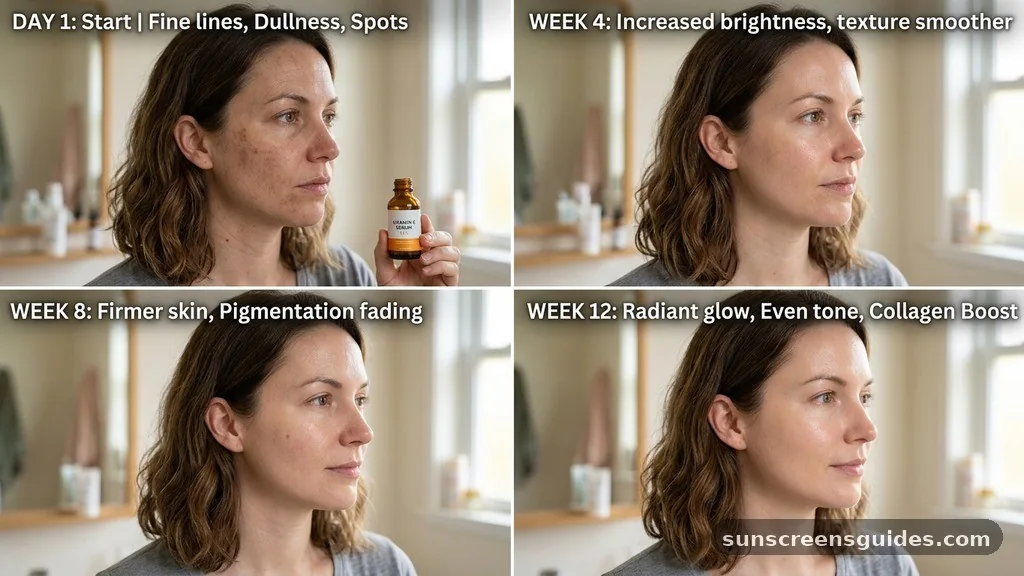
Because vitamin C primarily works by influencing cellular health and protecting the epidermal layer from future harm, you should rarely expect immediate results. Most dermatologists suggest that you will need to commit to at least three months of daily use to see a significant difference in your skin’s overall texture and tone.
During the first few weeks, you might notice subtle improvements in hydration or a slight reduction in dullness. This initial phase is largely about stabilizing your skin barrier and neutralizing immediate free radical damage from environmental stressors like pollution or UV exposure.
It is during the second month that the deeper benefits, such as the stimulation of collagen synthesis, begin to manifest. By the third month, many users report a visible reduction in the appearance of fine lines and a more even skin tone as the serum continues to address localized issues.
Addressing Hyperpigmentation and Brightening
If your primary goal is skin brightening or fading dark spots, the process can take even longer than basic texture improvements. Because hyperpigmentation is often rooted in deeper layers of the skin, the serum must work to inhibit the enzyme tyrosinase, which regulates melanin production.
This is a slow, methodical biological shift rather than a bleaching effect. Depending on the depth and age of the spots, you may need to wait four to six months to see the most dramatic results.
Consistency is the absolute key during this phase. If you skip days, you interrupt the chemical signaling that prevents new pigment from forming. It is also vital to pair your serum with a high-quality sun protection factor every single day.
Without adequate sun protection, the UV rays will continue to trigger melanin production, effectively undoing the progress your serum has made. Think of your routine as a long-term investment in your skin’s health rather than a quick fix for surface-level blemishes.
Factors That Influence Your Results

The specific type of vitamin C you choose significantly impacts the efficacy and timeline of your results. L-ascorbic acid is the gold standard for potency, but it is notoriously unstable and prone to serum oxidation. If your product has turned a dark orange or brown color, it has likely lost its effectiveness and will not provide the benefits you are looking for. Properly storing your serum in a cool, dark place is necessary to maintain its chemical integrity throughout its lifespan.
Beyond the formula itself, the presence of supporting ingredients can accelerate your outcomes. Many high-performing serums include ferulic acid, which stabilizes the vitamin C and boosts its ability to combat photoaging.
This synergistic combination allows the active ingredients to penetrate the skin more effectively. The following table highlights how different variables can impact the performance of your daily routine:
| Variable | Effect on Timeline | Reasoning |
|---|---|---|
| Consistency | Fastest Results | Maintains steady antioxidant levels in the skin. |
| Product Oxidation | No Results | Degraded ingredients lose their biological activity. |
| Sun Protection | Steady Improvement | Prevents new damage from overriding current gains. |
| Formula Stability | Optimized | Ingredients like ferulic acid enhance penetration. |
Common Mistakes That Delay Progress
Many people inadvertently sabotage their own results by introducing too many active ingredients at once or failing to perform a patch testing routine. If you experience irritation, your skin barrier becomes compromised, which forces you to stop using the product entirely.
This “start-stop” cycle is the most common reason users fail to see results, as the skin never gets the chance to acclimate to the concentration of the vitamin. It is far better to start with a lower concentration and gradually build up your tolerance over several weeks.
Another common pitfall is the incorrect order of application in your skincare sequence. As a general rule, you should apply your serum to clean, dry skin before heavier creams or oils. If you apply it after a thick moisturizer, the serum may struggle to penetrate the epidermal layer effectively.
Always give the product a few minutes to absorb fully before moving on to the next step in your regimen. By refining these small technical details, you ensure that every drop of your serum is actually performing the work it was designed to do.
Frequently Asked Questions
How do I know if vitamin C serum is working?
You will notice a brighter complexion, improved skin texture, and a gradual fading of dark spots over time.
Is it okay to use vitamin C serum every day?
Yes, daily use is recommended to maintain antioxidant levels and protect your skin from constant environmental stressors.
How long does vitamin C serum take to show results?
Most users see initial improvements in four weeks, with more dramatic changes occurring after three months of use.
What should you never mix with vitamin C?
Avoid using high-strength retinol or alpha hydroxy acids at the same time to prevent skin irritation and instability.
Can vitamin C serum cause breakouts?
While rare, some formulas contain ingredients that might clog pores; ensure you choose one formulated for your skin type.
Why does my vitamin C serum smell like hot dogs?
This scent often indicates the oxidation of L-ascorbic acid, meaning the product has likely lost its original efficacy.
Does higher concentration mean faster results?
Not necessarily; high concentrations can cause irritation, which may hinder your progress rather than speeding it up.
When you look at your face in the mirror each morning, it is easy to become discouraged by the lack of immediate progress. Remember that the journey of skin repair is a marathon, not a sprint. By focusing on how long does it take for vitamin C serum to work through the lens of cellular biology, you can better appreciate the gradual, lasting changes taking place in your skin.
Stay committed to your daily application, protect your skin from the sun, and keep your serum fresh to ensure you reach your goals. Your skin will thank you for the consistency and patience you invest in it today. If you have questions about your specific routine, feel free to reach out and share your progress.



