


Navigating the world of skincare while expecting can feel like walking through a minefield of potential risks. You want to maintain your glow, yet you are rightfully cautious about what you apply to your skin. Many women find that determining if a niacinamide serum pregnancy safe routine is effective becomes a top priority when dealing with sudden hormonal breakouts or persistent texture issues.
Fortunately, this powerhouse ingredient is widely considered a staple for those seeking gentle yet effective results. Understanding how it interacts with your changing body allows you to curate a regimen that feels both luxurious and secure throughout all three trimesters.
Understanding the Safety Profile of Niacinamide
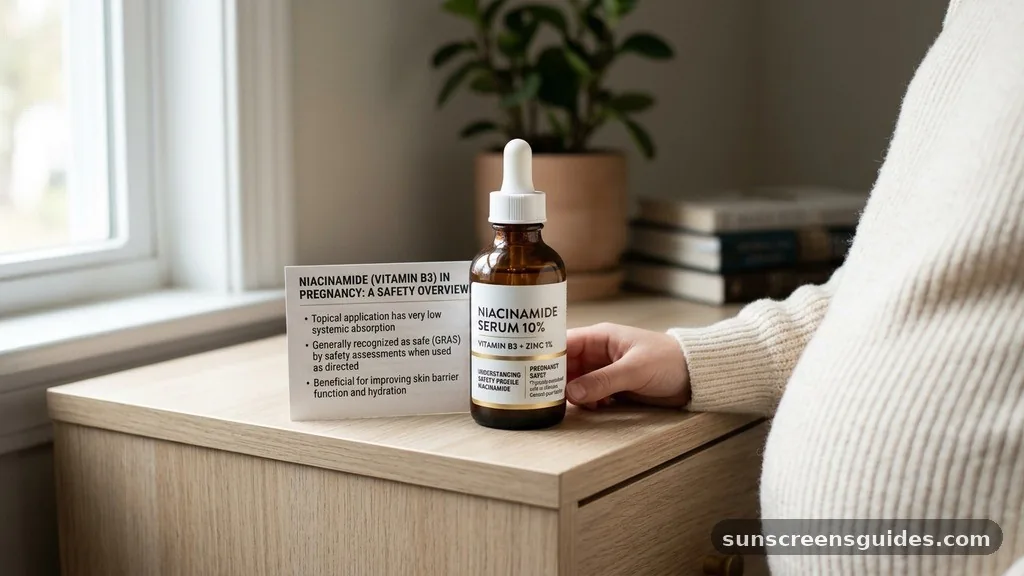
Niacinamide, also known as Vitamin B3, is one of the most celebrated ingredients in topical skincare for good reason. It is a water-soluble vitamin that works wonders for the skin’s surface, offering a range of benefits from soothing inflammation to regulating oil production.
When considering whether a niacinamide serum pregnancy safe label is accurate, it is helpful to look at how the substance acts on the body. Unlike some more aggressive actives, niacinamide does not typically penetrate the bloodstream in significant amounts, which is why it is generally viewed as low-risk for both the parent and the developing baby.
Most dermatologists classify this ingredient as a safe alternative to harsher treatments that might be off-limits. Because your skin often undergoes significant physiological changes—such as increased sensitivity or heightened dryness—incorporating a stable, non-irritating component like B3 helps maintain your skin barrier function.
It acts as a calming agent, which is particularly beneficial when your complexion is reacting to hormonal fluctuations. By supporting the natural moisture levels of your dermis, it helps combat the dehydration that often accompanies pregnancy, ensuring your face stays plump and resilient without the need for controversial chemical compounds.
Why Niacinamide is a Preferred Choice for Hormonal Issues
During pregnancy, many women experience what is commonly referred to as “pregnancy glow,” but just as many deal with hormonal acne and stubborn patches of hyperpigmentation. Finding a solution that addresses these specific concerns without relying on teratogenic compounds is a common challenge.
Niacinamide excels here because it addresses multiple concerns at once. It helps regulate sebum, which can be thrown into overdrive by changing hormone levels, and it assists in fading the appearance of dark spots or melasma that often emerge during the second and third trimesters.
Because it is a gentle multitasker, it serves as an excellent retinol alternative. Retinoids are strictly avoided during pregnancy due to their association with birth defects, leaving a gap in many skincare routines that were previously focused on anti-aging or clarity. Niacinamide fills this void by providing brightening effects and surface smoothing without the risk of irritation or systemic absorption.
It is rare for a single ingredient to be this versatile while remaining appropriate for sensitive, expectant skin. If you are struggling with redness or blotchiness, adding a high-quality serum to your morning or evening routine provides a consistent layer of support.
Managing Your Routine: Ingredient Compatibility and Absorption
The efficacy of your skincare depends heavily on how ingredients interact with one another. When building a trimester-specific skincare routine, you want to ensure your products work in harmony rather than competing. Niacinamide is famously stable and plays well with many other substances, making it easy to layer.
For instance, pairing it with hyaluronic acid is a classic move, as the humectant properties of hyaluronic acid pull moisture into the skin while the B3 locks it in and reinforces the barrier. This combination is highly effective for maintaining hydration without heavy, occlusive oils that might clog pores.
There are, however, nuances to consider regarding ingredient absorption and product layering. While it is stable, some users with extremely sensitive skin find that applying high-concentration niacinamide alongside acidic products—like Vitamin C or AHAs—can cause temporary flushing. If you find your skin is particularly reactive, consider spacing out your application times.
Using your niacinamide serum in the morning and saving other active treatments for the evening can minimize any risk of irritation. Keep in mind that your skin’s permeability changes throughout the months, so what worked in the first trimester might need adjustment as you head toward the third.
| Ingredient Category | Pregnancy Safety Status | Primary Function |
|---|---|---|
| Niacinamide | Generally Safe | Barrier support, brightening |
| Retinoids | Avoid | Cell turnover |
| Hyaluronic Acid | Safe | Deep hydration |
| Salicylic Acid | Use with Caution | Acne treatment |
Addressing Common Skincare Concerns During Pregnancy
Many expectant mothers often worry about whether they are missing out on essential nutrients or treatments. It is common to wonder if you should be doing more, but simplicity is often the best path forward.
A dermatologist-recommended approach usually emphasizes protection and hydration over aggressive correction. Below are a few key points to keep in mind when evaluating your current products:
- Focus on gentle cleansers that do not strip your natural oils.
- Prioritize mineral-based sunscreens to protect against pregnancy-related melasma.
- Check labels for hidden ingredients that might be categorized as retinoid derivatives.
- Maintain a consistent routine to allow your skin to stabilize during hormonal shifts.
- Consult with your OB-GYN or a dermatologist if you develop persistent rashes or severe breakouts.
Beyond the face, remember that your postpartum skincare goals will begin to take shape even before the baby arrives. By keeping your skin healthy and well-nourished with safe ingredients now, you are setting the stage for a faster recovery once your hormones begin to recalibrate after birth.
Niacinamide remains a loyal partner in this process, as it continues to work on texture and tone long after the initial pregnancy phase ends. It is an investment that yields results across all stages of motherhood, offering peace of mind alongside tangible improvements in skin health.
Frequently Asked Questions
Is it safe to use niacinamide daily while pregnant?
Yes, it is generally considered safe for daily use throughout all trimesters of a healthy pregnancy.
Can niacinamide help with pregnancy-related dark spots?
Yes, it is effective at brightening skin tone and can help manage hyperpigmentation often caused by hormonal changes.
Does niacinamide interfere with other pregnancy-safe skincare products?
It is highly compatible with most ingredients like hyaluronic acid and peptides, though avoid mixing with strong acids.
Should I consult a doctor before starting a new serum?
Always consult your healthcare provider before introducing new skincare actives into your routine during your pregnancy.
Is niacinamide effective for hormonal acne during pregnancy?
It helps regulate oil production and reduces inflammation, making it a great choice for managing pregnancy-related breakouts.
Are there any side effects of using niacinamide while pregnant?
Side effects are rare, but high concentrations can occasionally cause mild flushing or redness in very sensitive skin.
Can I continue using niacinamide during the postpartum period?
Yes, it is perfectly safe to continue using this ingredient while breastfeeding and during your postpartum recovery phase.
In summary, choosing to incorporate a niacinamide serum into your daily ritual provides a reliable way to address skin changes without compromising your comfort or health. By focusing on ingredient safety and understanding how your skin barrier function shifts during pregnancy, you can confidently maintain a clear and healthy complexion. Always opt for simple, high-quality formulations, and keep an open line of communication with your medical team regarding your specific skincare needs.
Taking these small, informed steps allows you to enjoy the process of caring for yourself while you prepare for your new arrival. If you have questions about specific product concentrations or formulations, feel free to reach out to your local dermatologist for personalized guidance on your routine.



