

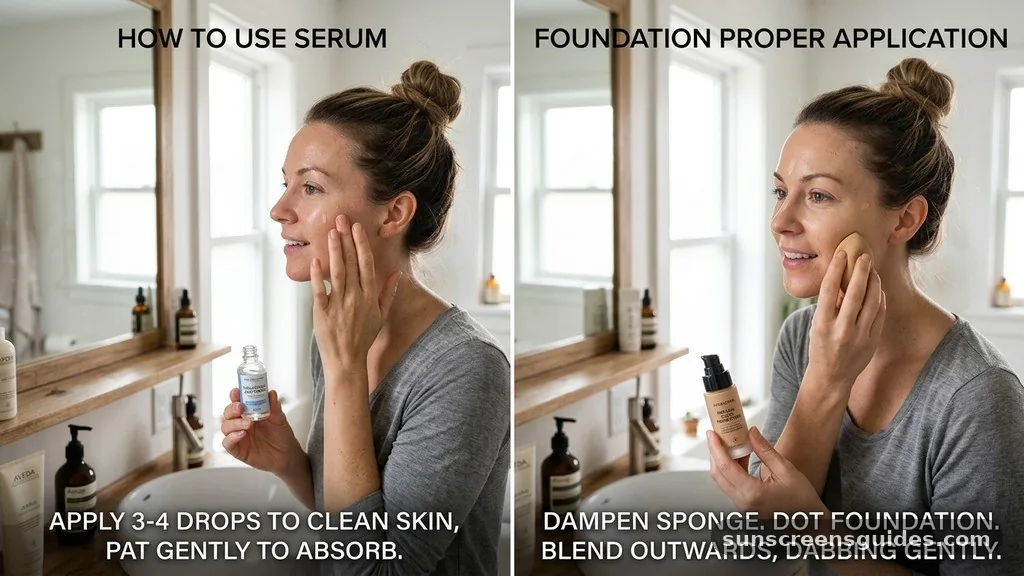
Mastering the art of applying a concentrated treatment can transform your skin’s health and appearance. When learning how to use serum on face properly, you are essentially ensuring that high-potency ingredients reach the layers of the skin where they can perform their best work. Because these products contain highly concentrated doses of active ingredients, using them incorrectly often leads to wasted product or, worse, irritation.
By following a specific layering technique, you can maximize dermal absorption and ensure your complexion remains balanced, hydrated, and protected throughout the day. Whether you are targeting fine lines, dark spots, or dullness, the sequence of your application truly dictates the final results.
The Foundation of Proper Application
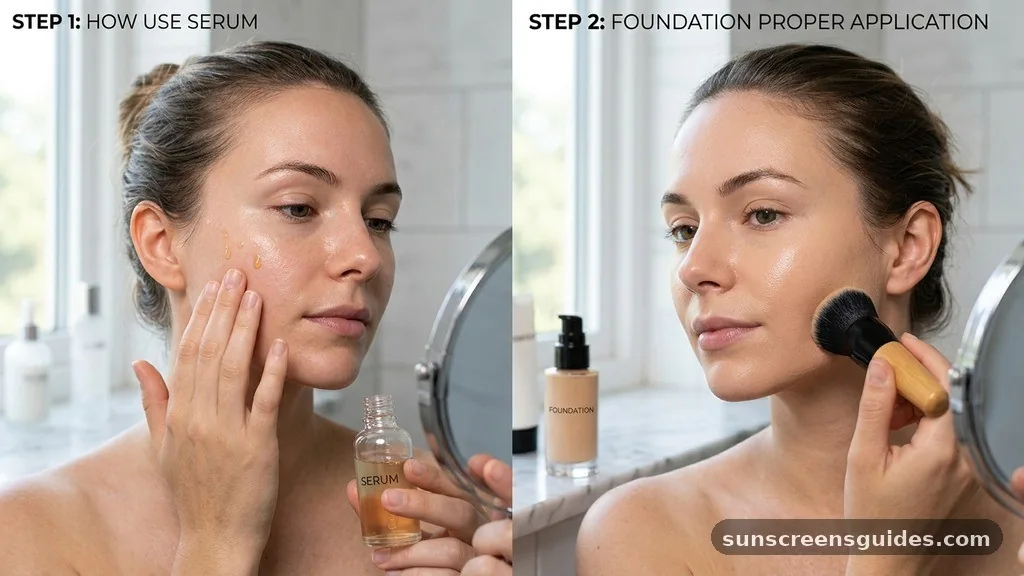
The most effective way to incorporate a treatment into your daily life begins with a clean canvas. Before you even reach for your bottle, your skin must be free of debris, excess oil, and environmental pollutants. Start your skincare routine by using a gentle facial cleanser to wash away the day.
If your skin is still damp, that is actually a benefit; slightly moist skin acts like a sponge, helping the product spread more evenly. Applying a toner immediately after cleansing helps reset your skin’s pH balance, creating the optimal environment for the treatment to penetrate effectively.
Once your skin is prepped, dispense a small amount of the liquid—usually three to five drops—into your palms. Rub your hands together briefly to warm the product, then gently press it into your skin using an upward, patting motion. Avoid dragging or pulling at the delicate tissue, as this can lead to premature sagging.
Focus on areas that need the most attention, such as patches of pigmentation or fine lines around the eyes. Patting the product allows it to settle deeply rather than simply sitting on the surface, which is critical for achieving true dermal absorption of the potent compounds inside.
Sequencing Products for Maximum Efficacy
Understanding the hierarchy of your products is the secret to a successful regimen. The golden rule is to apply products from the thinnest consistency to the thickest. Since serums are generally lighter and more concentrated than lotions or creams, they should almost always follow your toner but precede your moisturizer.
If you apply a heavy cream first, you create a physical barrier that prevents the thinner formula from penetrating the surface. When you get the order wrong, you essentially negate the investment you made in high-quality ingredients.
Consistency is key when you are learning how to use serum on face, especially when dealing with potent agents like retinol or vitamin C. You should allow about 60 seconds between each step to let the product fully absorb.
If you rush the process, you end up with a pilling effect where your products clump together on your skin. Below is a standard progression for a morning and evening routine to help you visualize the correct flow:
| Step | Product Type | Purpose |
|---|---|---|
| 1 | Facial Cleanser | Removes impurities |
| 2 | Toner | Balances pH levels |
| 3 | Serum | Delivers concentrated actives |
| 4 | Moisturizer | Seals in hydration |
| 5 | SPF (Day only) | Protects skin barrier |
Navigating Active Ingredients and Skin Sensitivity
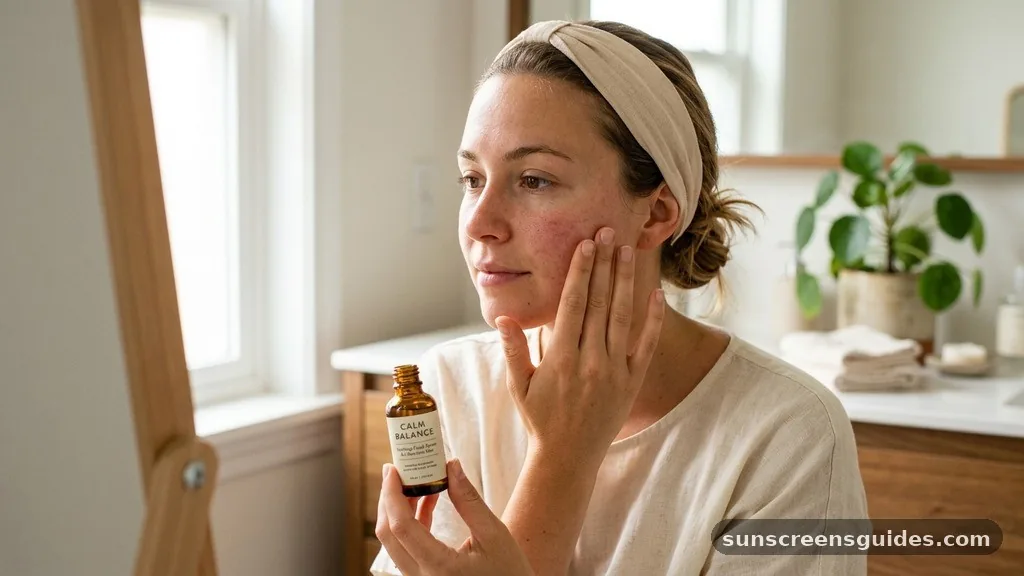
Not all formulas are created equal, and knowing how to handle specific compounds is vital for preventing irritation. For instance, vitamin C is a powerhouse for brightening and antioxidant protection, but it can be unstable and potentially irritating if used incorrectly. It is best applied in the morning to fight free radicals generated by sunlight.
Conversely, retinol is a powerful anti-aging agent that accelerates cell turnover, making the skin more sensitive to UV rays. Because of this, it is almost exclusively an evening product. Using it during the day without proper SPF protection can lead to severe sensitivity and redness.
Other ingredients, such as hyaluronic acid or niacinamide, are generally more forgiving and can be used both morning and night. Hyaluronic acid is a humectant, meaning it pulls moisture from the air into your skin. For the best results, apply it to slightly damp skin to “lock in” that extra hydration.
If your skin is prone to breakouts, always check that your chosen product is labeled non-comedogenic to ensure it won’t clog your pores. Remember that building tolerance is a process; if you are introducing a new active, start by using it every other night to see how your skin barrier reacts before committing to daily use.
Addressing Common Topical Gaps
Many enthusiasts often overlook the importance of the neck and décolletage when applying their treatments. These areas show signs of aging just as quickly as your face, yet they are frequently neglected during the application process. When using your serum, don’t stop at the jawline; extend your reach downward using the same gentle, patting technique.
Another common oversight is the “dilution” trap. Many people mix their treatment directly into their moisturizer before applying it.
While this might feel efficient, it can actually alter the pH of the formula and reduce its effectiveness. By applying them separately, you ensure each product can function exactly as the chemists intended.
* Always check the expiration date, as active ingredients lose potency over time.
* Store your bottles in a cool, dark place to prevent oxidation, especially for light-sensitive items like vitamin C.
* Never touch the dropper tip to your skin, as this can introduce bacteria back into the bottle.
* If you use a water-based serum, ensure it is completely dry before applying an oil-based layer over it.
* Pay attention to your skin’s texture; if it feels tight or itchy, scale back the frequency of your potent treatments.
Conclusion
Achieving the skin of your dreams is rarely about the sheer number of products you own, but rather about the precision and consistency with which you use them. When you understand the science of how to use serum on face, you shift from guessing your way through a routine to actively managing your skin’s health. By respecting the order of application, giving your skin time to absorb each layer, and choosing ingredients that support your specific goals, you create a sustainable path to radiance.
Remember that your skin’s needs may change with the seasons or your lifestyle, so stay flexible. Start slow, observe how your complexion responds, and enjoy the process of building a ritual that truly works for you. If you have specific concerns, feel free to reach out and share your results as you refine your technique.
FAQ
Is it necessary to use a moisturizer after applying serum?
Yes, a moisturizer acts as a sealant, locking in the serum’s active ingredients and preventing water loss.
Can I apply multiple serums at the same time?
You can, but limit it to two or three to avoid irritation and ensure proper absorption into the skin.
How long should I wait between applying serum and moisturizer?
Wait about 60 seconds to ensure the serum has fully absorbed and dried before layering your next product.
Can I use serum on face with retinol and vitamin C together?
It is generally better to use vitamin C in the morning and retinol at night to avoid irritation.
Should I apply serum to wet or dry skin?
Most serums, especially those containing hyaluronic acid, work best when applied to slightly damp, clean skin.
Can I use serum on face every single day?
Most can be used daily, but potent actives like retinol should be introduced gradually to prevent skin reactions.
What if my serum makes my skin feel sticky?
Sticky residue usually means you are using too much product or not allowing enough time for total absorption.



