
You packed everything, zipped the suitcase, and then it hits you: can you take aerosol sunscreen on a plane or is airport security about to toss it into a bin? It’s a weird little panic because sunscreen feels harmless, yet the spray can somehow makes it seem like you’re carrying something suspicious. Happens more often then you’d think, honestly.
The good news is that aerosol sunscreen is generally allowed on airplanes, but there are important rules about size, quantity, and where you pack it. Those rules depend on whether the sunscreen is in your carry-on or checked luggage. Missing one small detail can mean saying goodbye to an expensive bottle before you even reach your gate.
This guide explains everything you need to know, including TSA rules, international travel considerations, airline restrictions, safety regulations, and practical packing tips so your sunscreen arrives exactly where you do.
The Short Answer
Yes, you can take aerosol sunscreen on a plane.
However, the answer changes slightly depending on where you pack it.
| Luggage Type | Aerosol Sunscreen Allowed? | Important Rule |
|---|---|---|
| Carry-on bag | Yes | Container must be 3.4 oz (100 ml) or smaller |
| Checked luggage | Yes | Larger containers are generally allowed within airline and safety limits |
Most travelers run into problems because they assume every sunscreen bottle follows the same rules. Aerosol cans are treated as liquids or toiletries for airport security purposes, so the familiar liquid restrictions still apply.
Why Aerosol Sunscreen Is Allowed
At first glance, an aerosol can looks different from lotion sunscreen, and well…it kinda is.
Aerosol sunscreen contains compressed gas that pushes the product out as a fine mist. Because the can is pressurized, aviation authorities have specific safety regulations designed to reduce fire risks during flights.
Fortunately, personal-care aerosols such as:
- Sunscreen spray
- Hairspray
- Dry shampoo
- Deodorant spray
- Shaving cream
are considered acceptable for passenger travel when packed correctly.
According to transportation safety regulations, these everyday toiletries are classified differently from industrial aerosols or hazardous chemicals.
Carry-On Rules for Aerosol Sunscreen
If you’re taking sunscreen in your cabin bag, the size matters more than almost anything else.
Airport security follows the well-known liquid rule.
Your aerosol sunscreen must:
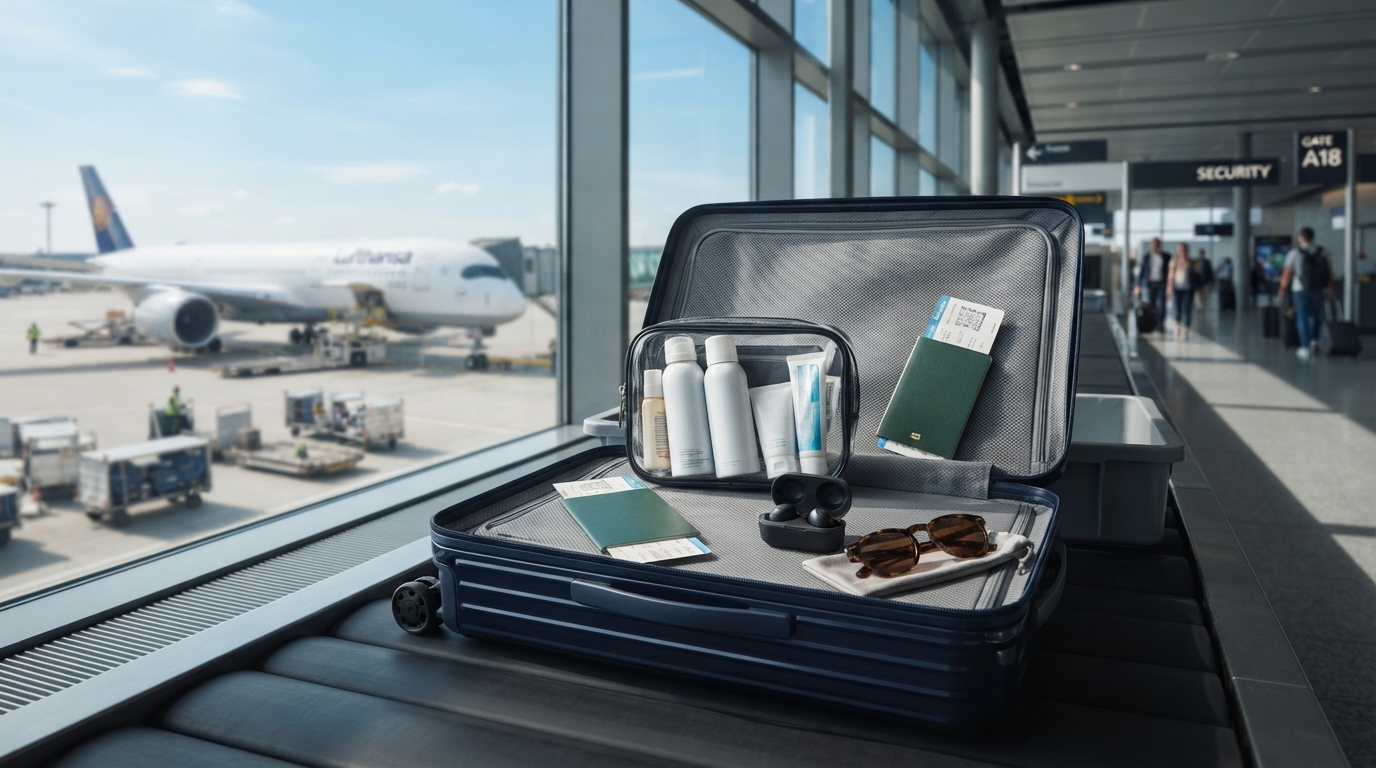
- Be no larger than 3.4 ounces (100 milliliters)
- Fit inside your quart-sized liquids bag
- Have its protective cap securely attached
Even if the bottle contains only a tiny amount of sunscreen, a container larger than 3.4 ounces is usually not permitted through security.
That part catches people out all the time.
Imagine carrying a half-empty 8-ounce sunscreen spray. Since the container itself exceeds the allowed size, security officers will likely confiscate it despite being nearly empty.
Can You Pack Large Aerosol Sunscreen in Checked Luggage?
Yes.
Checked baggage gives you much more flexibility.
Most full-size aerosol sunscreen bottles sold in stores can safely travel inside checked luggage provided they stay within aviation safety limits for personal-care aerosols.
To avoid leaks or accidental spraying:
- Replace the cap securely.
- Pack the can upright if possible.
- Place it inside a sealed plastic bag.
- Surround it with clothing for extra protection.
Some travelers wrap the nozzle with a small piece of tape. It isn’t required, but it’s one of those tiny tricks that prevents surprises after a long flight.
TSA Rules You Should Know
If you’re flying within or from the United States, the Transportation Security Administration (TSA) regulates what passengers can bring through security checkpoints.
Here are the essential rules.
Carry-On
- Maximum container size: 3.4 oz (100 ml)
- Must fit inside one quart-sized liquids bag
- Aerosol sunscreen counts toward your liquid allowance
Checked Bag
Personal-care aerosols are generally permitted.
There are quantity limits for total toiletry aerosols in checked baggage, although most vacation travelers never come close to reaching them.
As TSA explains:
“Liquids, aerosols, gels, creams and pastes must be 3.4 ounces (100 milliliters) or less in carry-on baggage.”
That’s the sentence worth remembering if your brain goes blank at airport security.
Do International Flights Have Different Rules?
Sometimes.
Many countries use security standards very similar to those in the United States because they follow international aviation recommendations.
Still, there can be slight differences.
For example:
- European airports generally use the 100 ml liquid rule.
- Canada applies similar carry-on liquid restrictions.
- Australia also limits liquids and aerosols in cabin baggage.
- Japan follows comparable screening procedures.
The details may vary just enough that checking your departure airport’s security rules before traveling is a smart move.
It only takes a minute, and it saves an annoying conversation at security.
Why Airlines Care About Aerosol Cans
It’s not really about sunscreen itself.
It’s about pressure.
Aircraft cabins are pressurized, while cargo holds experience different environmental conditions during flight. Aerosol containers are manufactured to withstand these conditions, but aviation regulators still limit the total amount passengers may carry for safety reasons.
There’s also another issue.
Some aerosol products are flammable.
Many sunscreen sprays contain ingredients that can ignite if exposed to open flames or extreme heat. Modern aircraft safety standards account for this by regulating packaging, quantities, and storage.
That sounds dramatic, but millions of approved aerosol cans fly safely every year.
How Much Aerosol Sunscreen Can You Bring?
For the average vacation, quite a bit.
Here’s a practical example.
Weekend Trip
- One travel-size aerosol sunscreen in carry-on
- One larger backup bottle in checked luggage
One-Week Beach Vacation
- One travel bottle for arrival day
- One or two full-size cans in checked baggage
Family Vacation
Each passenger can usually bring their own travel-size bottle in their carry-on while larger supplies travel inside checked luggage.
Families often save money this way instead of buying sunscreen at expensive tourist shops.
What Happens if Security Finds an Oversized Bottle?
Usually, one of three things happens.
- You’ll be asked to throw it away.
- You’ll return it to someone outside security if possible.
- In rare airports, you may have mailing options available.
Security officers aren’t trying to ruin your vacation.
They’re simply applying established regulations.
Unfortunately, arguing that the bottle is “almost empty” doesn’t usually change anything.
Packing Tips That Actually Help
Packing aerosol sunscreen isn’t difficult, although a few habits make life easier.
Choose Travel Sizes
Many brands sell TSA-friendly versions that slide straight into your liquids bag.
Seal the Bottle
A plastic zip bag helps contain leaks if pressure changes cause small releases.
Keep the Cap On
Never pack an uncovered aerosol nozzle.
It sounds obvious, but enough people forget that manufacturers specifically include those caps for transport.
Avoid Extreme Heat
Don’t leave aerosol sunscreen inside a hot parked car before heading to the airport.
Excessive temperatures increase internal pressure.
Should You Buy Sunscreen After Landing Instead?
Sometimes that’s actually the easier option.
Buying sunscreen at your destination can make sense if:
- You’re traveling with only a backpack.
- You don’t want checked baggage.
- You’re staying for several weeks.
- Local sunscreen prices are reasonable.
On the other hand, buying after arrival isn’t always ideal.
Beach towns, resorts, cruise ports, and airport shops often charge significantly higher prices than supermarkets back home.
If you already own a favorite sunscreen that works well with your skin, packing it usually makes more sense.
Aerosol Sunscreen vs Lotion Sunscreen for Air Travel
Both types are allowed, but each has advantages.
| Feature | Aerosol Sunscreen | Lotion Sunscreen |
|---|---|---|
| Carry-on limit | 100 ml | 100 ml |
| Checked luggage | Yes | Yes |
| Easy application | Excellent | Good |
| Wind resistance | Less effective outdoors | Better |
| Family sharing | Very convenient | Convenient |
| Risk of leakage | Lower | Moderate |
Dermatologists often remind travelers that regardless of type, applying enough sunscreen matters more than choosing spray or lotion alone.
Sprays should also be rubbed into the skin after application to ensure even coverage.
Common Mistakes Travelers Make
People repeat the same errors every holiday season.
Here are the biggest ones.
- Packing an oversized aerosol in carry-on luggage.
- Forgetting aerosol sunscreen counts as a liquid.
- Leaving the protective cap off.
- Packing sunscreen where it can be crushed.
- Assuming every country’s airport follows identical rules.
- Waiting until airport security to check regulations.
None of these mistakes are huge disasters, but they’re kinda annoying when your trip has barely started.
Real-World Example
Imagine you’re flying from New York to Hawaii for a ten-day beach vacation.
You pack:
- One 3-ounce aerosol sunscreen inside your carry-on liquids bag.
- Two full-size 8-ounce sunscreen sprays in your checked suitcase.
- One sunscreen stick in your backpack.
Everything complies with the rules.
You have sunscreen immediately after arrival without paying inflated resort prices, and airport security processes your bags without issue.
That’s pretty much the ideal scenario.
Final Thoughts
If you’ve been wondering can you take aerosol sunscreen on a plane, the answer is yes, provided you follow airport security and airline regulations.
For carry-on luggage, remember the 3.4-ounce (100 ml) limit and place the container inside your liquids bag. If you’re bringing larger sunscreen sprays, pack them securely in checked luggage instead.
A little planning now saves hassle later. Nobody wants to start a beach vacation by watching a perfectly good bottle of sunscreen disappear into an airport security bin. It’s a tiny thing, sure, but it somehow feels oddly personal when it happens.
Pack smart, double-check the size before leaving home, and you’ll be ready to enjoy the sun instead of worrying about security checkpoints.
FAQs
Can you take aerosol sunscreen on a plane in your carry-on?
Yes. Aerosol sunscreen is allowed in carry-on luggage if each container holds no more than 3.4 ounces (100 ml) and fits inside your liquids bag.
Can you pack full-size aerosol sunscreen in checked baggage?
Yes. Full-size aerosol sunscreen can usually be packed in checked luggage if it’s for personal use and the protective cap is securely attached.
Does aerosol sunscreen count as a liquid at airport security?
Yes. Airport security treats aerosol sunscreen like other liquids, gels, and sprays, so it counts toward your carry-on liquid allowance during screening.
Will aerosol sunscreen explode during a flight?
No. Approved personal-care aerosol cans are designed for normal air travel. Packing them properly and avoiding excessive heat before flying keeps them safe.
Is spray sunscreen better than lotion for traveling?
Both work well for travel. Spray sunscreen is convenient for quick application, while lotion often provides easier coverage control and creates less product waste.