

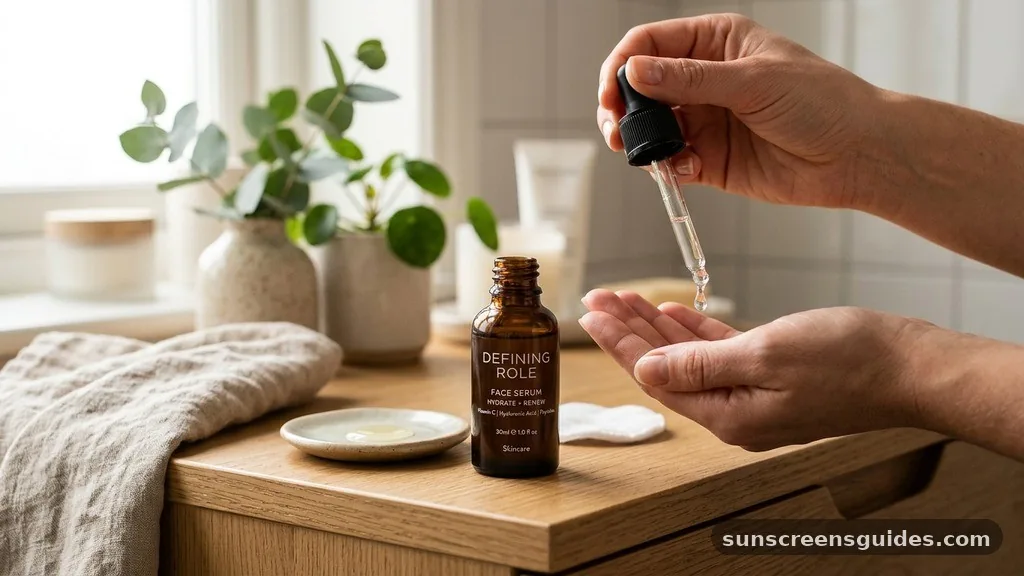
Knowing exactly what is face serum can feel like decoding a secret language of skincare. At its core, this product is a concentrated formulation designed to deliver high-performance ingredients directly into the deeper layers of the skin. Unlike a traditional moisturizer that sits largely on the surface to lock in hydration, a well-chosen treatment penetrates effectively to address specific concerns like dark spots, fine lines, or dullness.
Whether you are looking to boost your daily glow or target persistent blemishes, understanding how these potent formulas function is the first step toward building a more effective routine. You will discover how these lightweight liquids transform your complexion by focusing on precision rather than general coverage.
Defining the Role of Face Serum in Skincare
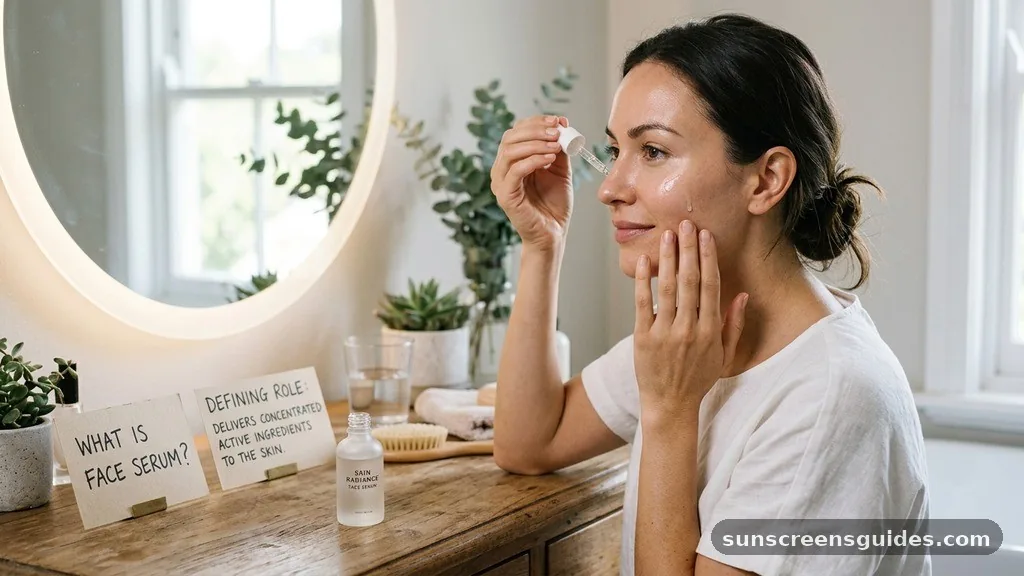
To understand what is face serum, you must view it as a high-potency delivery system. It contains a higher concentration of active ingredients than standard creams or lotions, which allows it to provide targeted results for specific skin issues.
These products are usually designed with a smaller molecular weight, enabling them to bypass the top layer of the epidermis and reach the dermis more efficiently. Because they lack the heavy occlusives found in thicker creams, they provide a lightweight feel that absorbs quickly without leaving a greasy residue behind.
Most formulations are either water-based serum types, which are excellent for hydration, or an oil-based serum designed to nourish and protect the lipid barrier. By choosing the right base, you ensure that the product works in harmony with your skin type. They aren’t meant to replace your moisturizer; instead, they function as a bridge, preparing your skin to receive the benefits of heavier products while tackling individual concerns at a microscopic level.
How Ingredients Impact Performance
The efficacy of these treatments relies entirely on the quality of their components. Because the formulas are highly concentrated, even a few drops are often enough to cover the entire face and neck. The primary ingredients usually fall into a few key categories, each serving a distinct purpose in your daily regimen.
- Hyaluronic acid: Acts as a humectant to draw moisture into the skin, significantly improving skin hydration.
- Vitamin C: A powerful antioxidant that brightens the complexion and helps fade hyperpigmentation.
- Retinol: A derivative of vitamin A that accelerates cell turnover, effectively treating signs of aging.
- Niacinamide: A versatile vitamin that helps regulate oil production and improves skin texture.
- Chemical exfoliation agents: Acids like AHAs or BHAs that remove dead skin cells to reveal smoother, brighter skin.
Comparing Serums and Moisturizers
Many people ask if they can skip a moisturizer once they start using a serum. The answer is generally no, because these products perform entirely different functions. While a serum is designed to treat, a moisturizer is designed to seal and protect.
| Feature | Face Serum | Moisturizer |
|---|---|---|
| Primary Goal | Targeting specific skin concerns | Locking in moisture and protection |
| Texture | Lightweight, liquid, or gel | Creamy, thick, or lotion-based |
| Absorption | Deep penetration into the skin | Surface-level hydration and barrier support |
| Key Components | High-potency actives | Emollients and occlusives |
Addressing Common Misconceptions and Topical Gaps
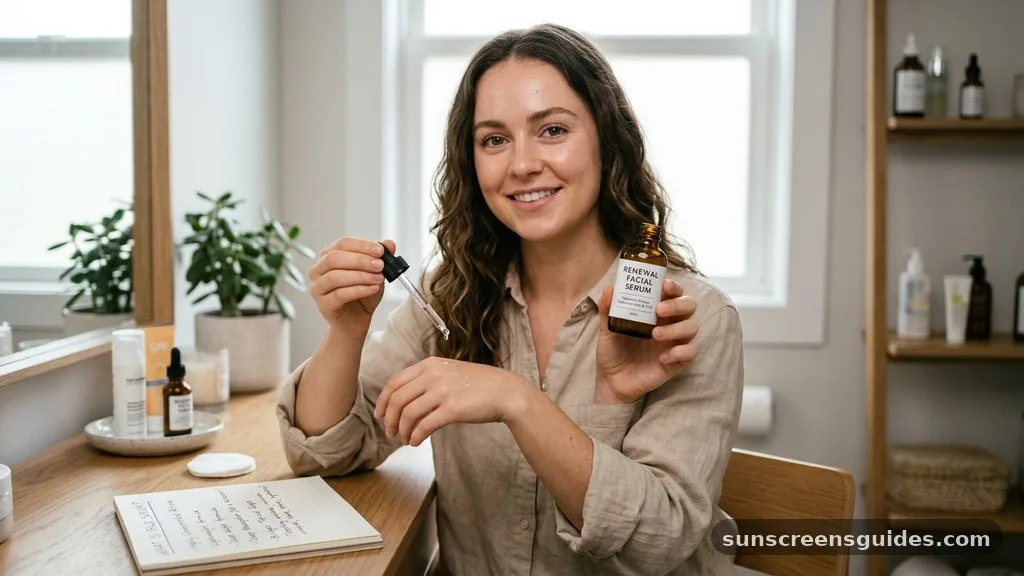
One common gap in knowledge involves the idea that “more is better” when applying these products. Because of their high concentration, using too much can actually lead to irritation or a sticky feeling on the skin. You only need a pea-sized amount to cover your face, as the penetration depth is highly efficient.
Another misconception is that these products are only for older skin. In reality, preventative care—like using a vitamin C treatment in your twenties—can help maintain long-term skin health.
People often worry about the skin barrier being stripped by potent actives. While it is true that ingredients like retinol or strong acids can cause sensitivity, this is usually due to improper usage rather than the product itself.
The secret lies in starting slowly, perhaps two or three times a week, to allow your skin to build tolerance. Furthermore, many modern formulas are specifically labeled as non-comedogenic, meaning they are tested to ensure they won’t clog your pores, making them safe for those prone to breakouts.
The Science of Transepidermal Water Loss
A vital aspect of skin health is managing transepidermal water loss, or TEWL. This is the process where water evaporates from the skin into the surrounding environment.
If your skin barrier is compromised, this process accelerates, leading to tightness, flaking, and dullness. Serums that contain humectants like hyaluronic acid or glycerin help counteract this by binding water to the skin cells.
When you apply these products, you are essentially creating an environment where water is retained more effectively. However, you must follow up with a moisturizer or facial oil to create an occlusive layer over the top. Without this final step, the water pulled into your skin by the serum could simply evaporate, potentially leaving your skin feeling even drier than before you started.
Choosing the Right Product for Your Skin Type
Finding the right match requires knowing your specific needs. If you deal with persistent dryness, look for formulas that highlight hydration and barrier repair. Those struggling with acne or oily skin should seek out lightweight, oil-free options that prioritize soothing ingredients like niacinamide.
If you are concerned about sun damage or age spots, antioxidant-rich formulas are your best defense. Consistency is the most important factor in seeing results.
Because these treatments work by influencing cellular processes, it can take several weeks of daily use before you notice a significant change in the texture or tone of your skin. Patience is essential when incorporating potent actives into your routine.
Establishing a Consistent Routine
Integrating these treatments into your daily life should be simple. Always apply your products from thinnest to thickest. This ensures that the lightest, most active formulas get close to the skin, while the thicker creams provide the seal needed to keep everything in place.
If you use multiple treatments, give your skin a minute or two to absorb the first layer before moving to the next. This prevents pilling, which is that annoying rolling of product that happens when layers don’t sit well together.
Morning and evening applications serve different purposes. Use your antioxidants and brightening formulas in the morning to protect against environmental stressors, and save your restorative or exfoliating treatments for the evening when your skin is in repair mode.
Frequently Asked Questions
Can I use face serum daily?
Yes, most formulas are designed for daily use, though active treatments like retinol may require gradual introduction.
Is a serum better than a moisturizer?
They aren’t competitors; they work together. Serum treats specific issues, while moisturizer locks in hydration and protection.
What is the use of serum on the face?
Serums deliver concentrated ingredients directly into the skin to address concerns like aging, dark spots, or dehydration.
What are the disadvantages of using serum?
Some potent actives can cause irritation or dryness if used too frequently without a proper moisturizing follow-up.
What is face serum for glowing skin?
Products containing Vitamin C, niacinamide, or gentle chemical exfoliants are typically the best for achieving a natural glow.
What is serum for skin made of?
They consist of a liquid or gel base combined with high concentrations of potent vitamins, acids, or botanical extracts.
Which serum is good for face?
The best choice depends on your specific skin concern, such as hydration for dry skin or oil-control for breakouts.
Final Thoughts on Serum Integration
Learning what is face serum and how it fits into your daily life is a rewarding shift in your personal care routine. By focusing on targeted, high-performance ingredients, you move away from general maintenance and into a more proactive approach to skin health. Whether you are aiming to increase hydration, brighten a tired complexion, or refine your skin’s texture, these concentrated formulas provide the precision you need.
Remember to start slowly, watch how your skin responds, and always pair your treatment with a reliable moisturizer. Your skin will thank you for the extra attention, and with consistent application, you will likely see a noticeable difference in how your face looks and feels. If you have questions about specific ingredients or routines, feel free to reach out and explore how these powerful tools can support your unique goals.



