

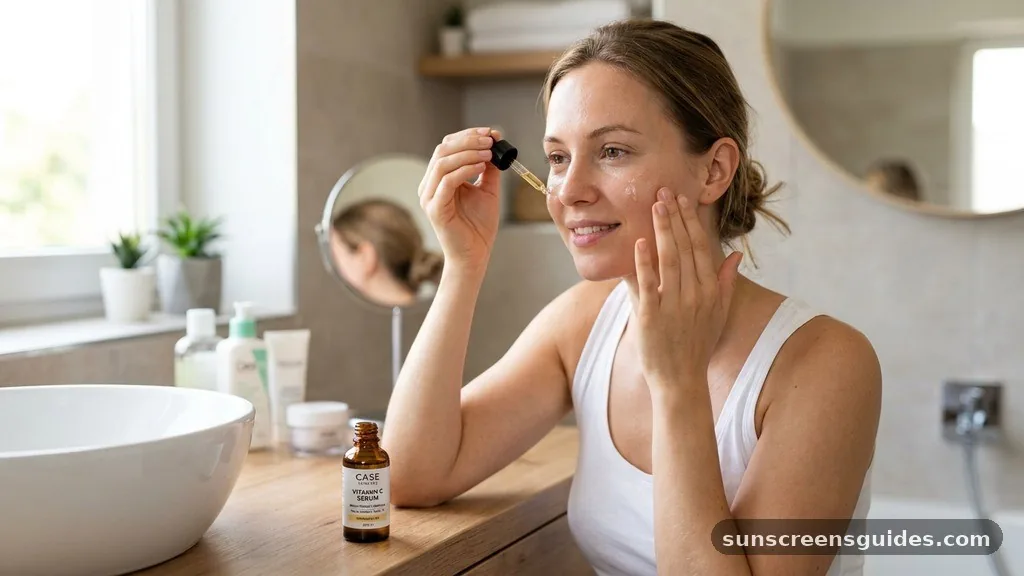
Deciding between applying your vitamin C serum morning or night often depends on your specific skin goals and how your complexion reacts to potent actives. While many enthusiasts default to a morning routine to leverage its protective benefits, others find that nighttime application offers a better window for recovery and deep penetration.
Because this antioxidant is a powerhouse ingredient, understanding when it works best for your skin type will help you avoid common pitfalls like pilling or irritation. By aligning your application schedule with your skin’s natural rhythms, you can maximize the brightening and protective effects of this essential skincare staple.
The Case for Morning Application
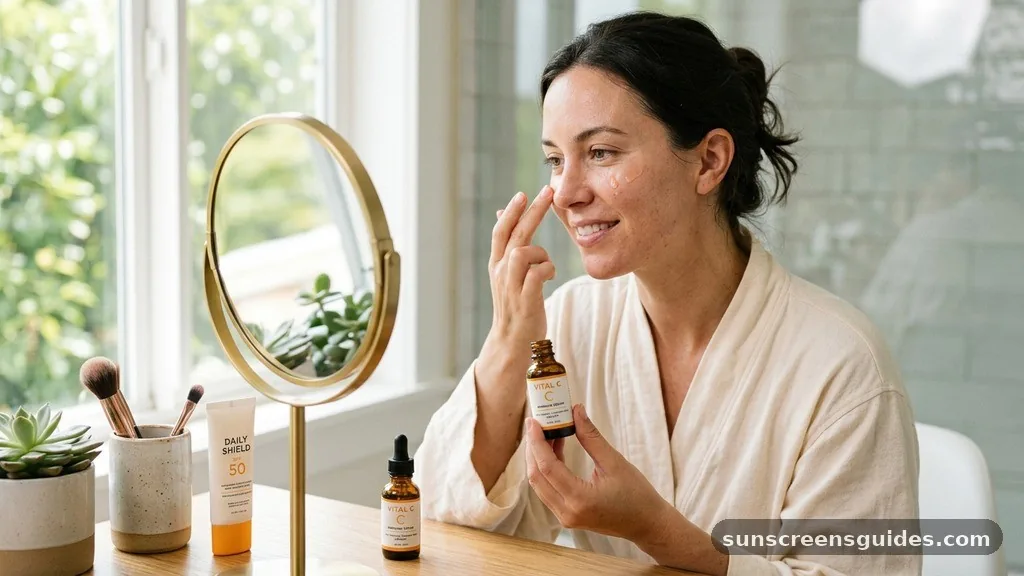
Most dermatologists recommend incorporating your vitamin C serum into your morning routine because it acts as a secondary layer of defense against UV radiation. When you apply this lightweight product before your sunscreen, you are essentially providing your skin with a shield against the oxidative stress caused by daylight exposure.
Throughout the day, your skin encounters various external environmental factors like pollution and smog, which trigger the production of free radicals. These unstable molecules contribute to premature aging, fine lines, and overall dullness.
By neutralizing these radicals early in the day, you prevent them from damaging your collagen stores. Think of it as an insurance policy for your face.
Because vitamin C is an antioxidant, it works synergistically with your SPF to ensure that any rays that slip past your physical blocker are effectively managed before they can cause lasting harm. Most modern formulas are designed to sit perfectly under makeup and primers, making them a seamless addition to your busy morning ritual.
The Case for Nighttime Application
Applying your serum at night is a strategic choice for those dealing with persistent sensitivity or for those who prefer to keep their morning routine ultra-minimal. While you won’t get the daytime protection against pollution, your skin is in a natural state of repair while you sleep.
Some users find that applying potent actives like ascorbic acid at night allows the ingredient to work undisturbed by environmental aggressors. This approach can be particularly beneficial if you find that your skin feels slightly tacky or if your particular product doesn’t layer well under your daily moisturizer.
Furthermore, if you are using other targeted treatments like retinoids or exfoliating acids, you might worry about mixing too many strong ingredients at once. Using your vitamin C during the evening—perhaps on alternating nights—can help you manage the potency of your overall regimen.
This is an excellent way to introduce a high-concentration serum without overwhelming your moisture barrier. Just ensure your skin is thoroughly cleansed of the day’s debris before application to ensure maximum absorption.
Comparing Morning vs. Night Application
Choosing the right time often comes down to your primary skin concern. If your main goal is long-term anti-aging and sun damage prevention, stick with the morning. If you are focused on correcting existing hyperpigmentation or simply want to avoid the potential for pilling under your makeup, an evening routine might be your best bet.
| Factor | Morning Application | Nighttime Application |
|---|---|---|
| Primary Benefit | Protection from free radicals | Skin repair and regeneration |
| Synergy | Works well with SPF | Works well with recovery creams |
| Makeup Layering | Can sometimes cause pilling | No impact on makeup |
| Skin Sensitivity | Lower risk of irritation | Higher absorption, potential for irritation |
Addressing Topical Gaps: Can You Use It Twice?
A common question is whether you can apply vitamin C twice a day to speed up results. While the idea of doubling your dose sounds logical, it is generally unnecessary and potentially harmful.
Vitamin C is known for having a long “reservoir effect” in the skin, meaning it stays active in your tissues for many hours after the initial application. Because it is a highly acidic compound, applying it twice daily significantly increases your risk of developing Tips for Minimizing Irritation.
If you notice redness, stinging, or peeling, you are likely overdoing it. Most dermatologists suggest that once a day is more than enough to reap the brightening and firming benefits.
If you want to boost your results, focus on the consistency of your daily application rather than the frequency. Using a lower concentration consistently is almost always more effective than using a high-strength formula sporadically or twice a day.
Best Practices for Your Routine
Regardless of whether you choose a morning or evening application, how you handle the product matters as much as when you use it. Vitamin C is notoriously fickle; it oxidizes quickly when exposed to light, heat, or air. To keep your serum potent, follow these Best Practices for Your Routine:
- Always check the color of your serum; if it has turned from clear or light yellow to a deep orange or brown, it has oxidized and lost its effectiveness.
- Ensure you store it in a cool, dark place, such as a skincare fridge or a medicine cabinet away from the shower’s humidity.
- Always seal the bottle tightly after every single use to minimize oxygen exposure.
- Start with a low percentage (around 5-10%) if you are new to the ingredient to see how your skin tolerates it.
- Wait at least 60 seconds after applying your serum to allow it to fully absorb before layering your next product.
Stability and Storage Considerations
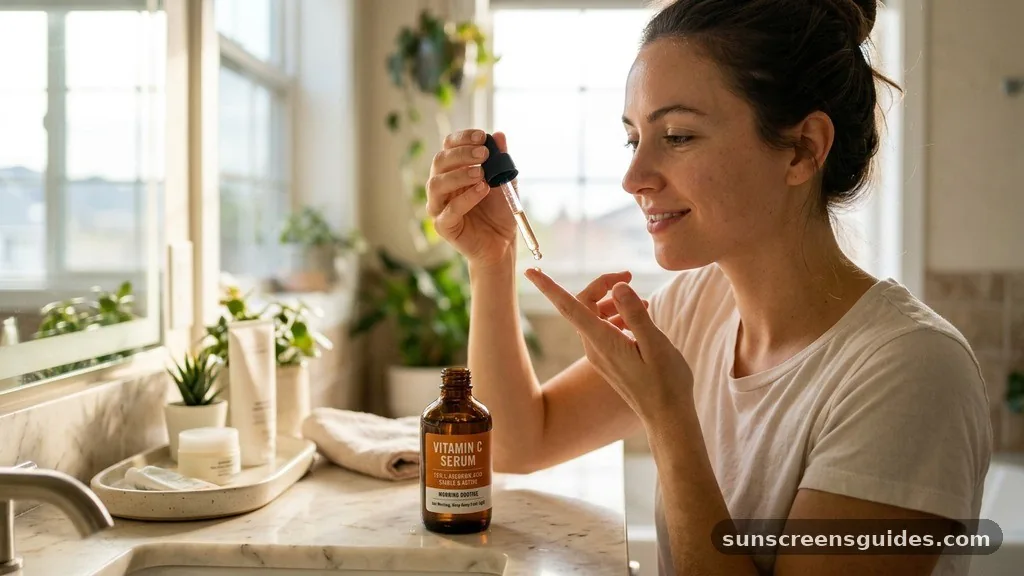
The efficacy of your chosen product is directly linked to its chemical stability. Because ascorbic acid is the most common and effective form of the vitamin, it is also the most prone to degradation.
If you keep your bottle on a sunny windowsill, the UV exposure will rapidly break down the active molecules, rendering the product little more than expensive water. Investing in a product that comes in an opaque or dark-glass bottle is a smart move, as it provides an extra layer of protection against light degradation.
If you are a frequent traveler, consider buying smaller sizes to ensure you use the product before it has a chance to expire. It is better to finish a small bottle in two months than to let a large bottle sit half-empty for six months. Remember that the “period after opening” symbol on the back of your bottle is a reliable guide for when you should toss the product, but your own eyes are the best judge—if it smells metallic or looks murky, it is time for a replacement.
Navigating Sensitivity and Product Interactions
One of the biggest hurdles for new users is the occasional tingling sensation. This usually occurs because of the low pH required for the serum to penetrate the skin effectively.
If you have particularly reactive skin, you can mitigate this by applying your serum onto slightly damp skin or by using a moisturizer before the serum to create a buffer. This “sandwich method” can help you enjoy the benefits of the serum without the discomfort.
Be cautious when layering with other actives. For example, applying a strong retinoid at the same time as your vitamin C can lead to a compromised skin barrier. If you must use both, try using the vitamin C in the morning and your retinoid in the evening.
This ensures that you get the protective benefits of the antioxidant during the day and the cellular turnover benefits of the retinoid at night. This separation also prevents potential chemical instability between the two formulas.
Why Consistency Outweighs Timing
The debate over the perfect time to use your serum often overshadows the most important rule of skincare: consistency. Whether you choose to apply it at 7:00 AM or 10:00 PM, the key is to do it every single day.
Skin cells have a cycle of renewal that takes roughly 28 to 40 days, and it takes time for the brightening effects of vitamin C to become visible. You are unlikely to see a dramatic transformation in just a few days.
Stay patient and stick to your chosen schedule. If you find that you frequently skip your morning routine because you are rushing out the door, shift the application to the evening.
If you are too tired at night and find yourself hitting the pillow without washing your face, the morning is clearly the better choice for you. The “best” time is simply the time that you can commit to reliably.
Achieving Long-Term Skin Health
As you continue your skincare journey, keep in mind that vitamin C is just one piece of the puzzle. It works best when supported by a healthy diet, adequate hydration, and a consistent use of sunscreen.
Think of your serum as a targeted tool that works alongside your broader habits. By protecting your skin from the daily onslaught of free radicals and supporting your natural collagen, you are setting the foundation for a clearer, more radiant complexion over the years.
If you find that your current product is causing persistent irritation despite your best efforts, don’t be afraid to switch to a more stable derivative, such as sodium ascorbyl phosphate or tetrahexyldecyl ascorbate. These versions are often less irritating and have a longer shelf life, making them excellent alternatives for those who find pure ascorbic acid too intense. Listen to your skin, watch for changes, and don’t hesitate to adjust your routine as your needs evolve.
Summarizing Your Application Strategy
Choosing between morning or night application comes down to your personal lifestyle and the specific concerns you want to address. If you prioritize protection against environmental damage, the morning is your best bet. If you prefer a recovery-focused routine or have sensitive skin, the evening is perfectly fine.
Regardless of when you apply your serum, the secret to success lies in proper storage, consistency, and a solid sunscreen habit to ensure your skin stays protected. Experiment with what feels right for your routine, and remember that you can always adjust your timing if your skin’s needs change over time.
Have you noticed a difference in your skin’s brightness since you started your routine? Feel free to share your experiences or ask any questions in the comments below.
Is it better to use vitamin C serum morning or night?
Most experts recommend mornings for protection against environmental factors, but nights work well for skin repair.
Can vitamin C serum cause skin irritation?
Yes, high concentrations or low pH levels can sting; start slowly and monitor your skin’s reaction closely.
Should I apply vitamin C before or after moisturizer?
Apply your serum to clean, dry skin first, allowing it to absorb completely before applying your heavier moisturizer.
Does vitamin C serum expire quickly?
Yes, it is prone to oxidation; store it in a cool, dark place and watch for color changes.
Can I use vitamin C with retinol?
It is usually best to separate them, using vitamin C in the morning and retinol in the evening.
Does a higher percentage mean better results?
Not necessarily; higher percentages can increase irritation without providing significantly better results than moderate, stable formulas.
What if my vitamin C serum changes color?
If it turns dark orange or brown, it has oxidized and lost its potency; discard and replace it.



