


Learning how to apply facial serum effectively is a transformative step for any skincare routine. Many people invest in high-quality products containing potent active ingredients like vitamin C or retinol, only to lose the benefits by applying them incorrectly or in the wrong order.
By understanding the science of absorption and the logic of layering, you ensure these concentrated formulas reach the deeper layers of the dermis where they can actually function. Whether you are aiming to brighten your complexion or provide deep hydration, mastering the physical technique of application helps you get the most value from every drop.
The Importance of Proper Skin Preparation
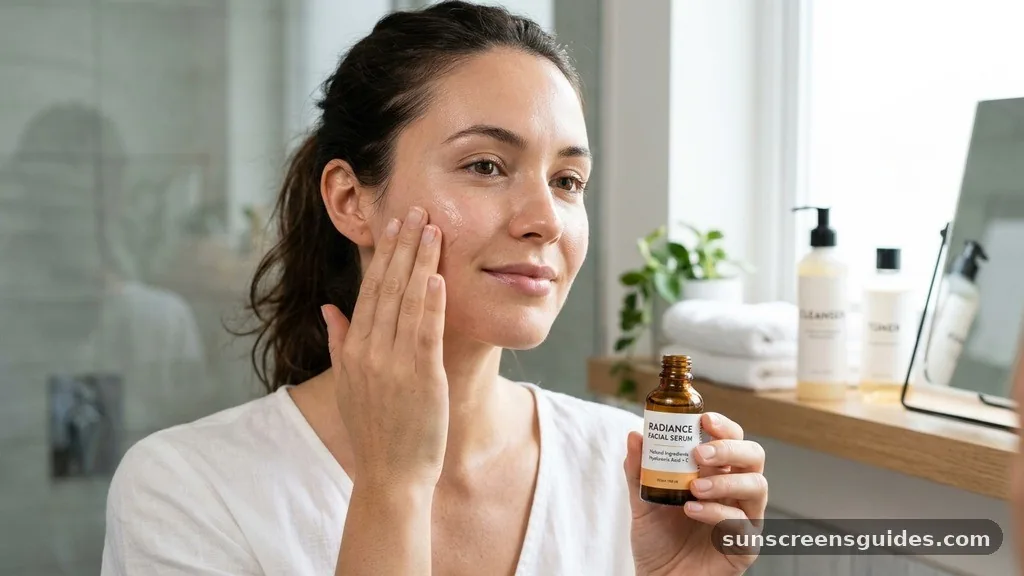
Before you even touch your serum, your face must be a clean canvas. Applying expensive actives onto a layer of oil, sweat, or environmental debris significantly hinders the product’s absorption rate. Start by thoroughly cleansing your face with a gentle facial cleanser.
This step removes the day’s grime and clears the pathway for your treatment products. Once your face is clean, follow up with a toner if that is part of your daily ritual. Toners help balance the pH of your skin and act as a transition step, ensuring your pores are receptive to the next phase of your regimen.
Many enthusiasts skip the drying phase, but it is crucial to understand that applying serum to damp skin is often superior to applying it to bone-dry surfaces. When your skin is slightly moist, it acts like a sponge. The water on your face helps the formula spread more evenly and can actually help pull the active ingredients deeper into the epidermis.
However, you should avoid dripping wet skin, which may dilute the product too much. A light mist of water or simply not patting your face completely dry after cleansing is usually the sweet spot for maximum efficacy.
Techniques for Optimal Product Absorption
The way you physically move the product across your skin changes how well it settles into your pores. Rather than aggressively rubbing your serum in, which can cause unnecessary friction and tugging, focus on a gentle patting motion. Use the pads of your fingertips to press the liquid into your skin.
This technique, often referred to as “pressing,” encourages blood flow and ensures the product is deposited directly onto the skin rather than being wasted on your palms. It is a precise, deliberate action that respects the delicate nature of your facial tissue.
Start by dispensing a small amount of serum—usually a pea-sized drop—onto your fingertips. Warm the product slightly by rubbing your fingers together for a second; this helps the serum mimic the natural temperature of your skin, making it feel less jarring and potentially improving the texture. Gently pat the serum over your forehead, cheeks, chin, and neck.
If you have any remaining product, do not ignore your neck or décolletage, as these areas often show signs of aging as quickly as the face. Always move in an upward, lifting direction to maintain a youthful appearance and avoid dragging the skin downward.
The Science of Layering and Order

The golden rule of skincare is to apply products from the thinnest consistency to the thickest consistency. Serums are lightweight, water-based, or oil-based treatments designed to penetrate the skin barrier quickly.
If you apply a heavy cream or a thick occlusive moisturizer before your serum, the serum simply cannot bypass that barrier to reach the cells it needs to treat. By placing your serum directly after cleansing—or after your toner—you ensure the active ingredients have a clear, unobstructed path.
When you are using multiple serums, the order still follows the texture rule. A watery, hyaluronic acid-based serum should always go on before a thicker, oil-based serum like one containing lipid-soluble vitamins. Once your serum has been applied, wait at least sixty seconds.
This short pause allows the ingredients to settle and begin the absorption process. Following up too quickly with a moisturizer can cause the products to pill or mix in a way that reduces their individual effectiveness. Using a table can help you visualize the correct order of operations in your daily routine:
| Step | Product Type | Primary Function |
|---|---|---|
| 1 | Facial Cleanser | Removes impurities |
| 2 | Toner | Balances skin pH |
| 3 | Facial Serum | Delivers concentrated actives |
| 4 | Moisturizer | Locks in hydration |
Addressing Topical Gaps and Common Mistakes
One of the biggest mistakes people make when learning how to apply facial serum is using too much product. Because serums are highly concentrated, they are incredibly potent. Using an entire dropper full of liquid is rarely necessary and often leads to a sticky, tacky residue that sits on the surface of the skin.
A few drops are usually sufficient to cover the entire face. If your face feels sticky for more than a few minutes after application, you are likely using too much product. Remember that your skin has a limited capacity for absorption at any given time.
Another common oversight involves the interaction between different active ingredients. For instance, combining high-strength retinol with certain types of vitamin C can cause irritation for those with sensitive skin. It is often wiser to use these ingredients at different times of the day—perhaps vitamin C in the morning for environmental protection and retinol in the evening for cellular turnover.
Furthermore, always check the labels for comedogenic ingredients if you are prone to breakouts. A serum should feel weightless; if it feels heavy or causes clogged pores, it is likely not the right formulation for your skin type.
Why does my serum pill after I apply my moisturizer?
Pilling often happens when you don’t allow the serum enough time to dry or when you layer silicone-based products over water-based ones. Ensure you wait at least one full minute after patting in your serum before applying any heavier creams. If the problem persists, try patting your moisturizer on instead of rubbing it, which prevents the layers from balling up.
Is it necessary to use a moisturizer after applying facial serum?
Yes, applying a moisturizer is almost always necessary. Most serums, especially those containing hyaluronic acid, draw moisture toward them. If you don’t seal that moisture in with an occlusive moisturizer, the serum can actually pull water out of your deeper skin layers, leading to dryness. The moisturizer acts as a protective lid, trapping the beneficial serum ingredients against your skin where they can do their best work.
Conclusion
Mastering the process of applying facial serum is a commitment to the health and longevity of your skin. By consistently following the order of operations—cleansing, prepping with a toner, patting on your treatment, and sealing everything with a moisturizer—you provide your complexion with the best possible environment to thrive. Remember that patience is just as important as the products you choose; giving your skin time to absorb each layer will yield far better results than rushing through your regimen.
Start incorporating these techniques tonight, and you will likely notice a significant improvement in how your skin feels and reacts to your favorite products. With consistent practice, these steps will become second nature, leaving you with a glowing, well-nourished complexion.
Is it good to use face serum daily?
Yes, most serums are designed for daily use, though it depends on the potency of the active ingredients.
What are common serum mistakes?
Using too much product, applying in the wrong order, and not waiting for absorption are the most common errors.
Do you apply serum to the entire face?
Yes, you should apply serum to your entire face, neck, and chest area for consistent, even results and protection.
Can I use multiple serums at once?
You can, but layer them from the thinnest to thickest consistency to ensure each one can penetrate properly.
Should I store my serum in the fridge?
Some products like vitamin C may stay stable longer in a cool, dark place, but always check the label.
Does serum replace a moisturizer?
No, serums deliver active ingredients, while moisturizers provide the necessary hydration and seal the skin barrier for protection.
Why does my skin feel sticky after applying serum?
Stickiness usually indicates you have applied too much product or haven’t allowed enough time for it to absorb.



