

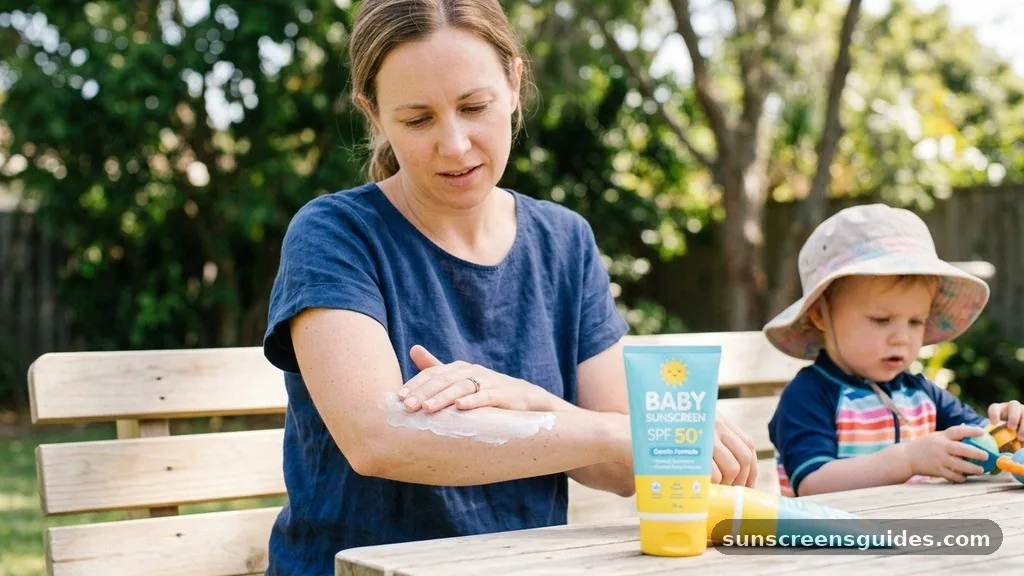
Deciding whether you can adults use baby sunscreen often comes down to understanding what actually differentiates these products from their adult-marketed counterparts. While the packaging might feature cute animals or gentle pastel colors, the core chemistry is designed to shield vulnerable skin from the sun’s harsh rays.
Many people find themselves reaching for a bottle of baby lotion when they run out of their own, wondering if it provides the same level of defense. Exploring the nuances of these formulas reveals that they are often superior choices for those with specific skin concerns, offering a straightforward approach to sun safety that works for almost everyone.
Understanding the Composition of Baby Sunscreens
When you look at the label of a typical infant-focused sunblock, you are usually looking at a mineral-based sunscreen. These products rely on physical blockers like zinc oxide or titanium dioxide to sit on top of the skin rather than soaking into it.
By creating a literal barrier, these active ingredients reflect and scatter UV radiation away from the body. Because they do not rely on the complex chemical reactions found in many standard adult lotions, they are often the preferred choice for people dealing with chronic skin sensitivity.
The design philosophy behind baby-specific products centers on minimizing irritation. Manufacturers almost always formulate them to be hypoallergenic and fragrance-free to avoid triggering reactions in young, developing skin.
If you have ever experienced stinging eyes or red, blotchy patches after applying a standard lotion, switching to a baby formula can be a relief. You get the same essential protection without the added dyes, preservatives, and perfumes that frequently cause contact dermatitis in adults.
Comparing Baby and Adult Formulas
The primary difference between these products is not always the efficacy of the protection but rather the delivery system and the secondary additives. Many adult formulations include alcohol, specific fragrances, or anti-aging compounds that improve the cosmetic feel of the product but can be harsh on reactive skin. Baby formulas prioritize simplicity, which is why they are frequently labeled non-comedogenic—meaning they are less likely to clog pores—though you should always check the label, as some thicker mineral pastes can be heavy.
Key Differences in Formulation
| Feature | Baby Sunscreen | Standard Adult Sunscreen |
|---|---|---|
| Active Ingredients | Zinc Oxide or Titanium Dioxide | Chemical Filters or Mineral Mix |
| Fragrance | Typically Fragrance-Free | Commonly Scented |
| Skin Feel | Often Thicker/White Cast | Lightweight/Absorbent |
| Primary Goal | Minimize Irritation | Cosmetic Elegance/Wearability |
You will notice that baby versions often leave a white cast on the skin. This occurs because the mineral particles are large enough to be visible, which is a direct trade-off for their gentle nature.
If you are heading to a formal event where you want your skin to look perfectly clear, this might be a nuisance. However, for a day at the beach or a long hike, that visible layer is actually a benefit; it helps you see exactly where you have applied the product, ensuring you do not miss any spots.
Assessing Broad-Spectrum Protection and SPF

When evaluating if you can use baby sunscreen, the SPF rating is the most critical metric. The sun protection factor indicates how well the product shields against UVB rays, which are the primary cause of sunburns.
Baby products are usually formulated with high SPF values, often 30 or higher, providing excellent broad-spectrum protection. This means they protect against both UVA rays, which contribute to premature aging, and UVB rays, which damage the outer layers of the skin.
Why Photostability Matters
Photostability refers to a sunscreen’s ability to maintain its protective qualities when exposed to sunlight over time. Mineral-based ingredients like zinc oxide are inherently photostable, meaning they do not break down as quickly as some chemical alternatives.
This is a significant advantage for long-term outdoor activities. Because they remain effective on the skin surface until washed or rubbed off, they provide a reliable shield that doesn’t lose potency just because the sun is shining brightly.
* Consistent protection against both UVA and UVB rays.
* Reduced risk of allergic reactions due to fewer chemical additives.
* High reliability for those with chemical sensitivities.
* Visual confirmation of coverage due to the mineral white cast.
* Longer lasting effectiveness in direct sunlight.
Addressing Common Topical Gaps
A common misconception is that baby sunscreen is “weaker” than adult versions. In reality, the FDA regulates sunscreens based on their performance, not the age of the consumer.
If a bottle says SPF 50, it must pass the same testing protocols regardless of whether it is marketed for an infant or an adult. The gaps in consumer knowledge often stem from marketing aesthetics rather than scientific limitations.
Another gap involves the “chemical vs. mineral” debate. Many adults prefer chemical filters because they rub in clear and feel invisible. However, if you are prone to heat rashes or allergic reactions, the chemical ingredients—such as oxybenzone or avobenzone—might be the culprits.
Using a mineral-based baby product effectively bypasses these potential allergens. It is a simple, effective solution that many dermatologists endorse, particularly for adults suffering from conditions like rosacea or eczema.
Pediatric Dermatologist Recommendations
When pediatric dermatologist recommendations are mentioned, they almost always emphasize the use of physical blockers. These specialists prioritize ingredients that are least likely to cause a systemic reaction.
By choosing a product designed for a baby, you are essentially selecting a formula that has passed the strictest safety standards in the skincare industry. If it is gentle enough for a newborn, it is almost certainly safe for the vast majority of adults.
Always remember that the best sunscreen is the one you actually use consistently. If you keep a bottle of baby sunscreen in your bag, you are far more likely to apply it when you need it than if you have to hunt for a specialty adult product.
The barrier to entry for sun safety should be as low as possible. By simplifying your routine to a single, high-quality, mineral-based product, you reduce the likelihood of skipping protection on cloudy days or during quick trips outside.
Practical Application Tips for Adults
Applying mineral-based baby sunscreen requires a slightly different technique than using a standard chemical lotion. Because the particles are physical blockers, you should not just smear them on and hope for the best. Instead, dot the lotion across the skin and rub it in firmly.
This ensures the mineral particles form a uniform, protective layer. Because these formulas are thicker, they can sometimes feel slightly oily, so allow a few minutes for the product to “set” before getting dressed.
If you are swimming or sweating, ensure the product is labeled as water-resistant. Most baby sunscreens meet this standard, but it is worth a quick check on the back of the bottle.
Even with water resistance, you must reapply every two hours or immediately after towel drying. The mineral layer can be wiped away with friction, so if you are active, keep the bottle nearby for touch-ups.
FAQ Section
Is there a chemical difference between baby and adult sunscreen?
Yes, baby versions typically prioritize mineral blockers like zinc oxide, while adult versions often use chemical filters.
Can I use baby sunscreen on my face if I have acne?
It depends; look for non-comedogenic labels, as some thick mineral sunscreens may be too heavy for oily skin.
Does baby sunscreen expire faster than adult sunscreen?
No, both types follow the same shelf-life standards, usually remaining effective for about three years if stored correctly.
Is it safe to use baby sunscreen on a 12-year-old?
Absolutely, as these products are designed for sensitive skin and provide the same level of sun protection efficacy.
Why does baby sunscreen leave a white residue?
The mineral ingredients, such as zinc oxide, are physical particles that reflect light, which creates a visible layer.
Can I use expired baby sunscreen if it still looks fine?
It is not recommended, as the active ingredients may degrade, significantly reducing your protection against harmful UV radiation.
Is baby sunscreen effective for high-intensity sports?
Yes, provided it is labeled as water-resistant and you reapply frequently to account for sweat and physical friction.
Conclusion
Integrating a baby-targeted sunscreen into your daily routine is a perfectly valid and often beneficial choice for adults, especially those with sensitive skin. By choosing a formula based on zinc oxide or titanium dioxide, you gain reliable, broad-spectrum defense without the potential irritants found in many standard products. While you may have to manage the aesthetic of a slight white cast, the health benefits of choosing a gentle, hypoallergenic, and photostable product far outweigh the minor cosmetic adjustments.
If you have been hesitant about trying these products, there is no scientific reason to avoid them. They are rigorously tested and provide essential protection for skin of all ages.
Make sure to check the label for water resistance and always apply enough to cover your skin thoroughly. Your long-term skin health depends on consistent habits, so find a product that feels comfortable and keep it within reach throughout the summer months.



