

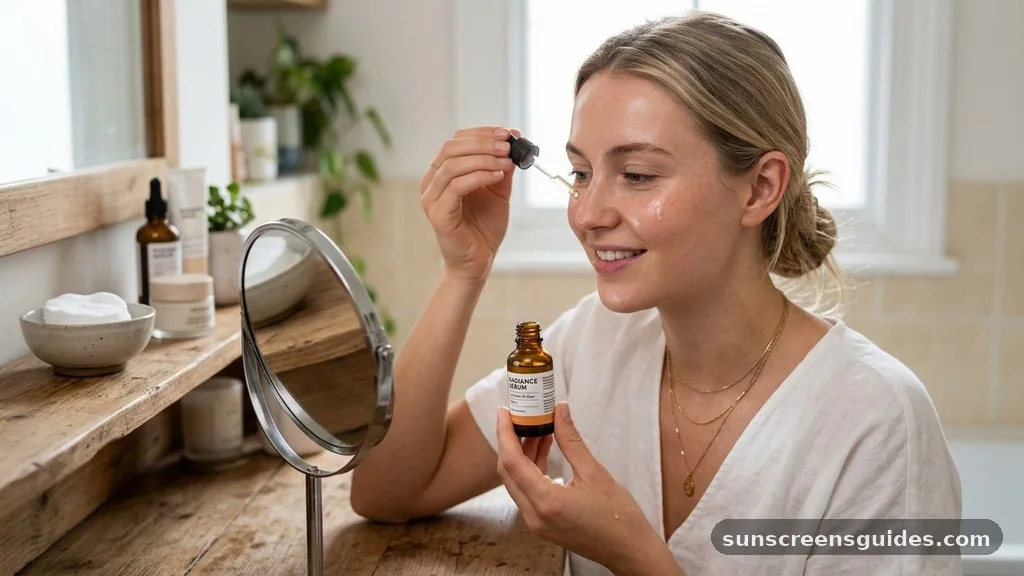
Mastering the art of applying concentrated skincare treatments can transform your complexion, yet many people struggle with the timing and sequence of their routine. Learning how to use serum correctly ensures that the potent actives actually penetrate your skin instead of sitting uselessly on the surface. Whether you are dealing with dullness, dehydration, or signs of aging, these lightweight formulas act as the heavy lifters in your regimen.
By understanding the proper order of application and the importance of damp skin, you can prevent product waste and see visible results much faster. Let’s break down the science and the habits that will turn your daily ritual into a high-performance skincare system.
Understanding the Role of Serum in Your Routine
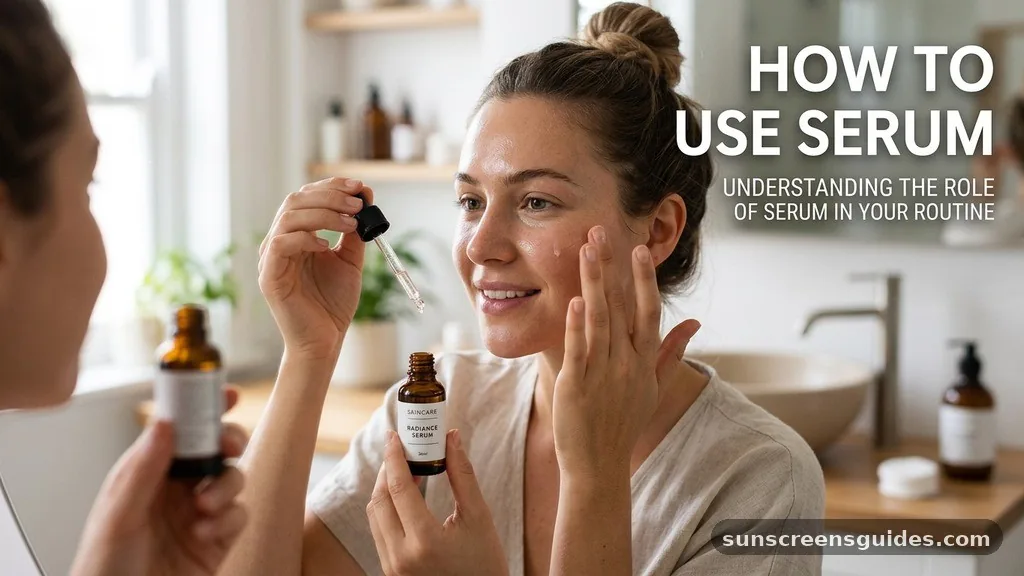
Serums are essentially high-concentration delivery systems designed to tackle specific skin concerns. Unlike heavy creams that sit on the surface to lock in hydration, these formulas have a smaller molecular weight, allowing them to travel deeper into the epidermis. When you learn how to use serum properly, you are essentially feeding your skin the active ingredients it needs to repair, brighten, or protect itself.
Because they are so potent, a little goes a long way. You usually only need a few drops to cover your entire face and neck.
If you find yourself using an entire dropper for one application, you are likely wasting product, as your skin can only absorb a finite amount at once. These products are intended to be the bridge between your cleansing step and your final moisture-locking step.
The Foundation: Proper Skin Preparation
Before you even reach for your bottle, your canvas must be ready. Applying any product to unwashed skin is a recipe for clogged pores and irritation. Start with a gentle facial cleanser to remove dirt, excess sebum, and pollutants that accumulated throughout the day.
After cleansing, many people choose to apply a toner. While optional, a toner helps rebalance the skin’s pH levels, creating an ideal environment for your treatment to function.
Think of your skin like a sponge; it is far more absorbent when it is slightly moist than when it is bone-dry. Applying your treatment while your skin is still slightly damp skin is a pro-tip that can significantly boost absorption rates.
Step-by-Step Application Technique
Knowing how to use serum involves more than just dumping it onto your palm. The way you touch your skin matters, as aggressive rubbing can lead to unnecessary friction and irritation. Follow this sequence for the best possible outcome every time you apply:
- Dispense 3 to 4 drops onto your clean fingertips rather than directly onto your face.
- Warm the product between your fingers for a few seconds to activate the ingredients.
- Gently press and pat the formula into your skin, starting from the center of your face and moving outward.
- Ensure you cover the neck and décolletage, as these areas show signs of aging just as quickly as your cheeks.
- Allow the product to set for at least one minute before moving on to your next layer.
Skincare Layering and Sequencing Rules
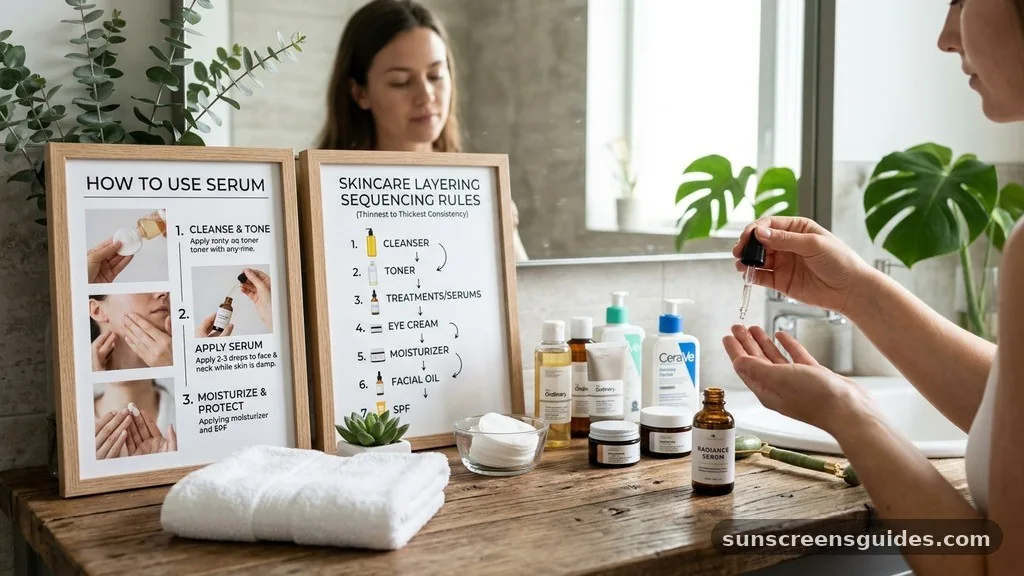
The golden rule of skincare layering is to move from the thinnest consistency to the thickest. Because serums are water-based or lightweight gels, they must go on before your heavier creams. If you apply a thick moisturizer first, the serum will struggle to penetrate that barrier, rendering it largely ineffective.
Managing Active Ingredients
You should be mindful of ingredient compatibility. For example, using vitamin c in the morning is excellent for protection against environmental stressors, while retinol is strictly reserved for nighttime use because it can make your skin sensitive to sunlight. Always follow up with a broad-spectrum sun protection factor (SPF) during the day, especially if you are using chemical exfoliants or retinoids.
| Ingredient Type | Best Time to Use | Primary Benefit |
|---|---|---|
| Vitamin C | Morning | Brightening and Antioxidant Protection |
| Hyaluronic Acid | Morning & Night | Deep Hydration |
| Retinol | Night Only | Cell Turnover and Anti-Aging |
| Niacinamide | Morning & Night | Oil Control and Barrier Support |
Addressing Topical Gaps: Common Misconceptions
Many users wonder if they need a moisturizer if they are already using a hydrating serum. A common misconception is that these products replace the need for an occlusive barrier.
In reality, while a serum provides moisture, it can also contribute to trans-epidermal water loss if it isn’t sealed in with a cream. The serum draws water into the skin, but the moisturizer acts as a lid, keeping that hydration inside where it belongs.
Another gap in knowledge involves patch testing. Because these formulas contain highly concentrated antioxidants and acids, they are more likely to cause a reaction than a standard lotion.
Always test a small amount on your inner forearm 24 hours before applying it to your face. If you notice redness, itching, or burning, it is a sign that the concentration might be too high for your current barrier health.
Selecting the Right Formula for Your Skin Type
Not all products are created equal, and choosing the wrong one can lead to breakouts or dryness. If you have oily or acne-prone skin, look for labels that explicitly state the product is non-comedogenic. This ensures the formula won’t clog your pores or exacerbate excess oil production.
For those with dry or dehydrated skin, look for humectants like hyaluronic acid. These molecules can hold many times their weight in water, pulling moisture from the air and locking it into the surface layers of your skin. If you are targeting signs of aging, look for peptides or growth factors that stimulate collagen production over time.
Safety and Storage Best Practices
The stability of your product is just as important as how you apply it. Many high-performance ingredients, particularly vitamin c, are sensitive to light and heat. If you store your products in a sun-drenched bathroom, they will likely oxidize and lose their potency long before you finish the bottle.
Keep your bottles in a cool, dark place, like a medicine cabinet or a dedicated drawer away from the shower’s steam. If your serum changes color—for instance, if a clear vitamin C serum turns a dark orange or brown—it is a clear sign that the product has degraded and should be discarded. Always check the period-after-opening symbol on the packaging to ensure you are using the product within its effective shelf life.
Conclusion
Learning how to use serum effectively is a straightforward process once you commit to the correct sequence and preparation habits. By cleansing your face, applying your treatment to damp skin, and sealing it with a moisturizer, you create a system that maximizes the potential of every drop. Consistency is the secret ingredient; your skin needs time to cycle through its natural renewal process before you see significant changes.
Be patient, pay attention to how your complexion responds to different actives, and never skip your daily sun protection. Incorporating these steps into your day-to-day life will help you maintain a healthy, resilient, and glowing complexion for the long haul.
What is the correct order for applying skincare products?
Always apply products from thinnest to thickest, starting with cleanser, toner, serum, and finishing with moisturizer.
Can I use multiple serums at the same time?
Yes, you can layer them, but apply the thinnest, most watery formula first and wait until dry.
Do I really need a moisturizer if I use a serum?
Yes, a moisturizer is necessary to lock in the serum’s hydration and prevent trans-epidermal water loss daily.
How long should I wait between applying different skincare layers?
Wait about 60 seconds between layers to allow each product to absorb fully into your skin surface.
Is it safe to use face serum every single day?
Most serums are designed for daily use, but check the label for specific instructions regarding active ingredients.
Should I apply serum on wet or dry skin?
Applying to slightly damp skin can improve absorption and help humectants lock in more moisture effectively.
How can I tell if a serum is working for my skin?
Look for consistent improvements in texture, hydration, or brightness over four to six weeks of regular use.