

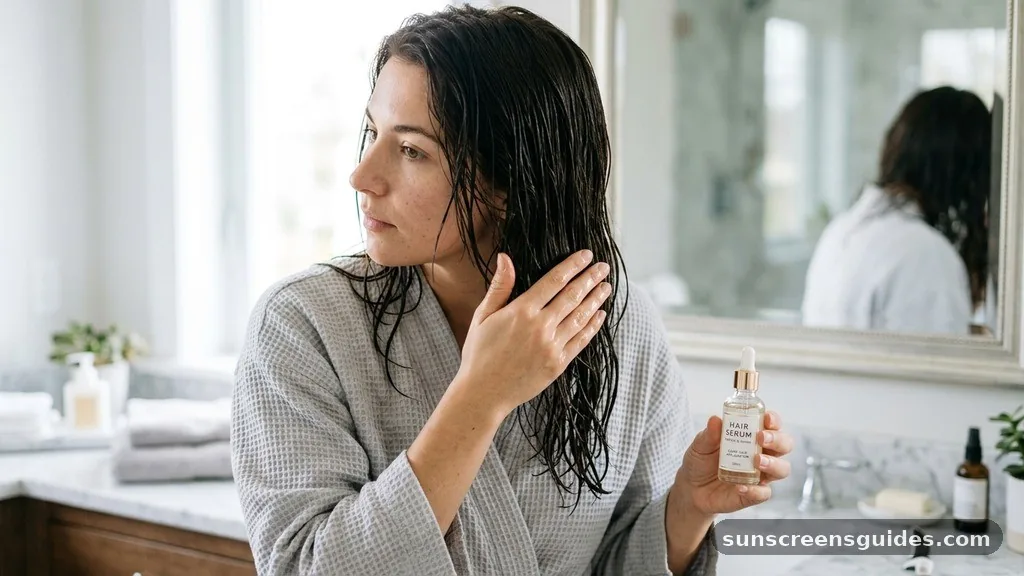
Deciding when to apply serum on hair wet or dry often feels like a guessing game, yet it is the single most important factor for achieving a salon-quality finish. Many people struggle with greasy residue or lackluster shine simply because they haven’t timed their product application correctly.
Understanding how your hair interacts with moisture and specific ingredients can transform your daily routine into a reliable process for healthier strands. Whether you are aiming for frizz control or maximum heat protection, the timing of your serum application changes how the product penetrates the hair shaft.
The Science of Applying Serum on Damp Hair
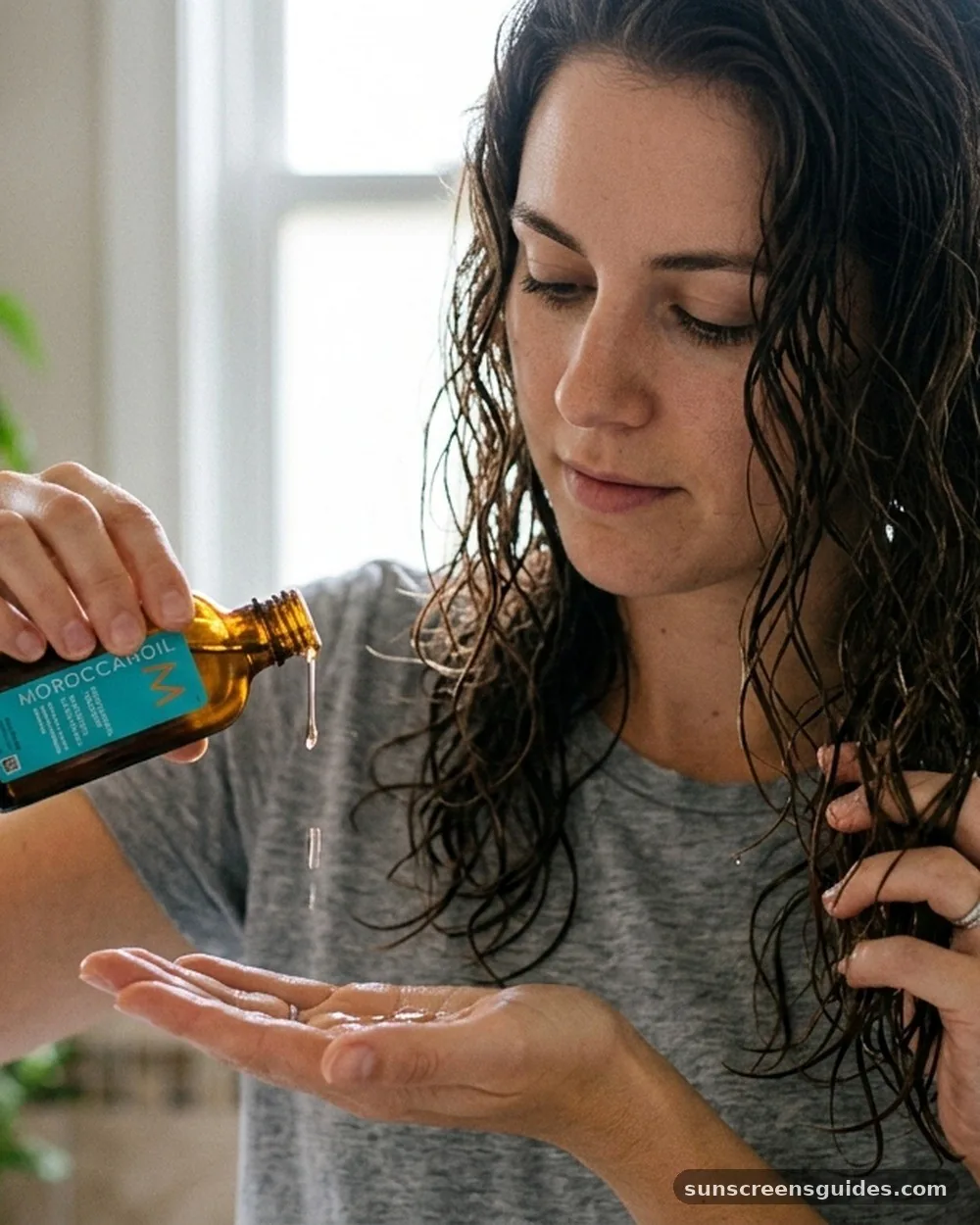
Applying hair serum to damp hair is widely considered the gold standard by stylists for achieving deep nourishment and effective frizz control. When your hair is fresh out of the shower and gently towel-dried, the hair cuticles are slightly raised.
This state allows the active ingredients in the serum to penetrate more effectively rather than just sitting on the surface. By applying product to damp strands, you are essentially trapping water inside the hair, which aids in long-term moisture retention.
Many serums contain silicones designed to coat the strand, and when applied to damp hair, these molecules distribute more evenly. This helps in detangling and minimizes the mechanical damage that occurs during aggressive brushing.
If you use a heat protectant serum, applying it while the hair is damp ensures that every strand is coated before you expose it to high temperatures from a blow dryer. This creates a barrier that shields the hair from thermal stress, preventing the internal moisture from evaporating too quickly under heat.
The Benefits of Using Serum on Dry Hair
While damp application is ideal for health, applying serum to dry hair is a targeted technique reserved for finishing touches and immediate aesthetics. If you struggle with persistent flyaways or need to add a sudden boost of shine before heading out, dry application is your best move.
Serum applied to dry hair acts as a smoothing agent, tamping down static and creating a polished look. Because the hair is already set, the serum provides a protective layer against environmental pollutants and humidity.
However, be cautious with the amount used. On dry hair, products do not absorb as quickly, meaning a heavy hand can easily lead to an oily, weighed-down appearance. Focus your application strictly on the mid-lengths and ends where split ends are most visible.
This method is particularly effective for those with coarse or thick textures who need extra help calming the outer layer of the hair. It effectively seals the cuticle, which is essential for reflecting light and giving your hair that glossy, vibrant appearance.
Tailoring Application to Your Hair Porosity
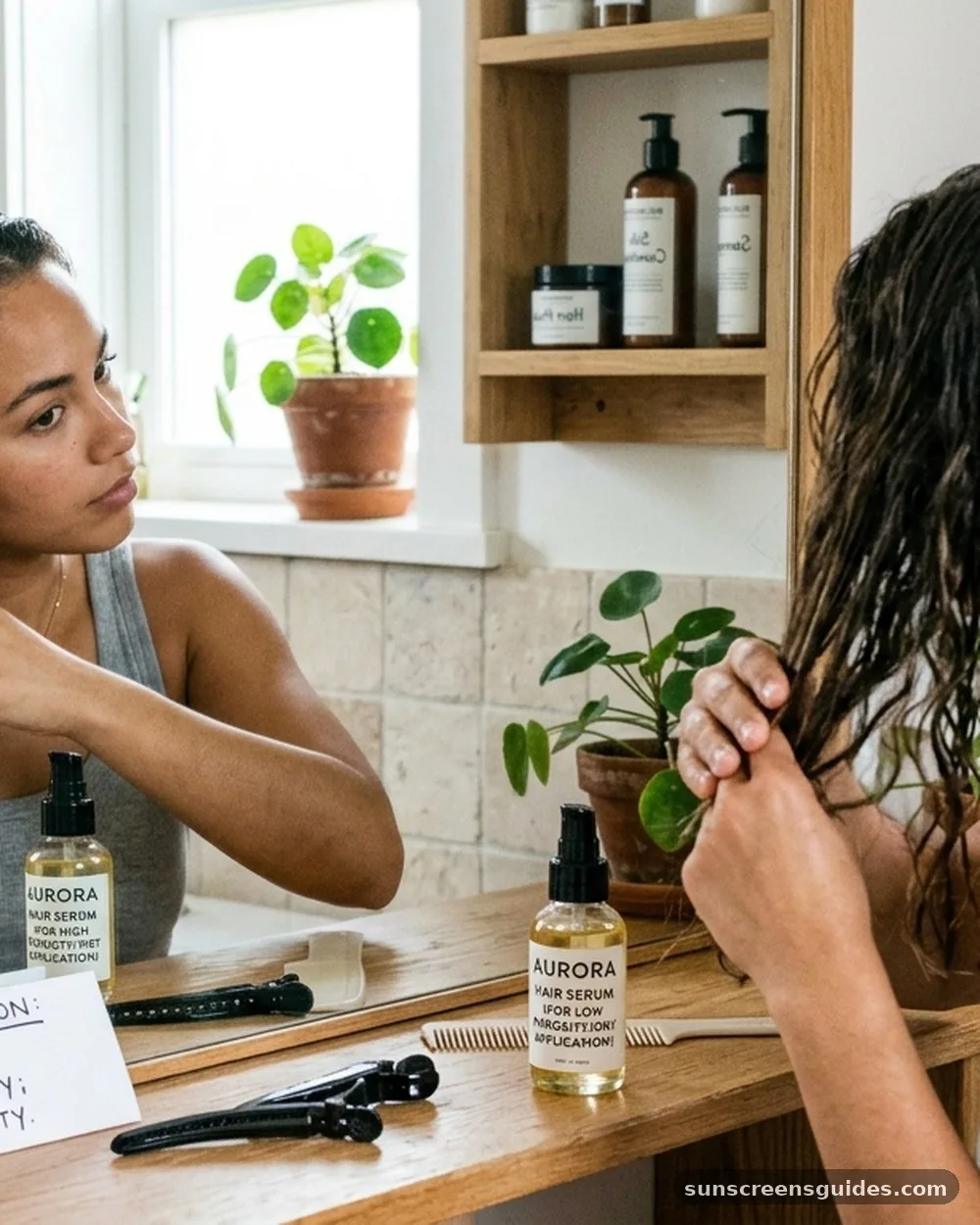
Your specific hair porosity dictates how quickly your hair absorbs moisture and how well it retains it. High-porosity hair, which often feels dry and frizzy, thrives when serum is applied to damp hair.
The open cuticles welcome the added hydration, and the serum helps lock that moisture in before it escapes. For these hair types, using a serum as a styling product right after washing is non-negotiable for maintaining softness throughout the day.
Conversely, low-porosity hair often resists moisture and can look oily if heavy oils are applied too liberally. If you have low-porosity hair, you might find that applying serum to damp hair makes it feel heavy or “coated.”
In such cases, try applying a very small amount of a lightweight oil-based serum to the ends only once the hair is fully dry. Understanding these nuances prevents the common mistake of using the same technique regardless of your hair’s unique structural needs.
| Application State | Best Use Case | Primary Benefit |
|---|---|---|
| Damp Hair | Heat protection & detangling | Moisture retention & deep smoothing |
| Dry Hair | Frizz control & shine boost | Taming flyaways & finishing touch |
Addressing Topical Gaps: Serum vs. Leave-in Conditioner
A common point of confusion is how a serum differs from a leave-in conditioner and why that dictates when you apply it. A leave-in conditioner is water-based and designed to penetrate deep into the hair to provide hydration.
A serum, particularly one rich in silicones, is designed to coat the surface, seal the cuticle, and protect against friction. Because of these distinct roles, you should always apply your water-based leave-in conditioner first to provide the moisture, followed by your serum to seal it in.
- Apply leave-in conditioner first to saturate the hair with hydration.
- Allow the hair to air dry or towel-dry slightly to prepare the surface.
- Distribute the serum starting from the ends and working upward toward the mid-lengths.
- Avoid the scalp entirely to prevent premature oiliness and volume loss.
- Use a wide-tooth comb to ensure even coverage across all sections.
If you attempt to apply a heavy serum before a leave-in conditioner, you may block the moisture from entering the hair shaft. This creates a “barrier effect” that leaves your hair feeling dry on the inside despite looking shiny on the outside. By layering your products correctly, you ensure that you are getting the full benefit of both the hydrating properties of the conditioner and the protective, smoothing properties of the serum.
Conclusion
Finding the right balance when you decide to apply serum on hair wet or dry is the secret to a professional-looking hairstyle. Whether you choose the deep-penetrating benefits of damp-hair application or the quick, aesthetic fix of applying it to dry hair, the key is consistency and moderation. By focusing on your hair’s specific porosity and layering your products correctly, you can effectively manage frizz, protect against heat, and maintain a healthy shine.
Experiment with these techniques to see how your hair responds, and don’t be afraid to adjust based on the humidity or your styling goals for the day. Your hair is an asset that deserves the right care at the right time.
Is it better to apply serum on wet or dry hair?
Damp hair is generally better for heat protection and moisture, while dry hair is best for polishing.
Can serum replace a leave-in conditioner?
No, serums coat the hair while leave-in conditioners provide hydration; they serve different purposes in a routine.
Should I put serum on my roots?
Avoid the roots, as this leads to buildup and makes the hair appear greasy or limp quickly.
Does serum help with split ends?
Serums hide the appearance of split ends by smoothing the cuticle, but they cannot physically repair damage.
How much serum should I use?
Start with a pea-sized amount and add more only if your hair remains frizzy or dry-looking.
Can I use serum every day?
Yes, but use it sparingly on dry hair to avoid product buildup that requires clarifying shampoo to remove.
Does serum act as a heat protectant?
Many serums contain heat-protective ingredients, but always check the label to ensure it is rated for heat.



