

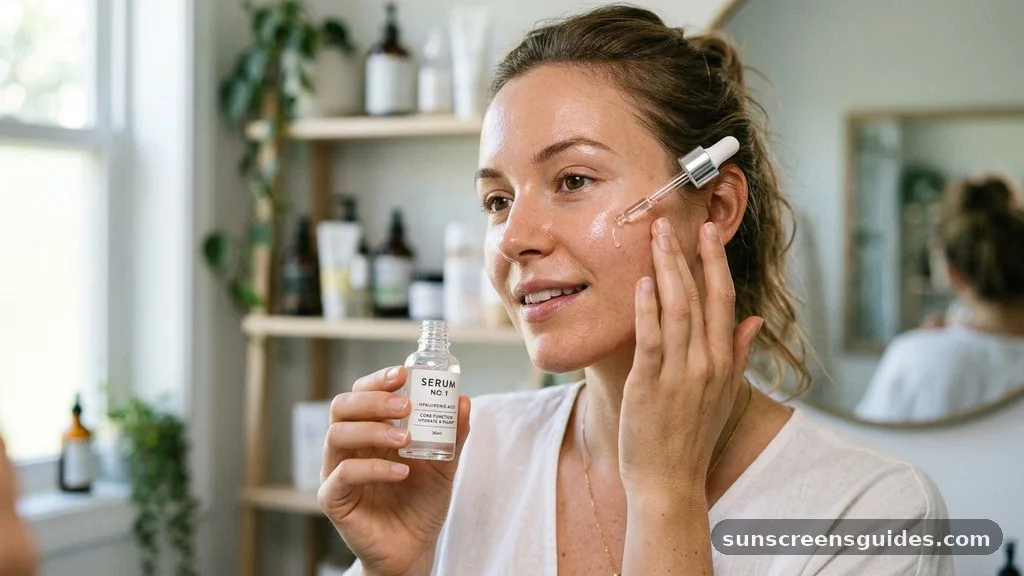
Understanding exactly what a serum do for your face can transform your entire beauty routine from a simple chore into a precision-based strategy for skin health. Many people find themselves staring at rows of tiny, expensive bottles in the skincare aisle, wondering if these concentrated liquids are truly necessary or just clever marketing.
Because serums contain a much higher concentration of active ingredients than standard creams or lotions, they act as targeted treatments rather than general hydrators. By learning how these potent formulas interact with your dermis, you can stop guessing which products belong in your bathroom cabinet and start selecting ones that actually move the needle for your specific complexion goals.
The Core Function of Facial Serums

At its most basic level, a serum provides a high-potency delivery system for skin-loving molecules. While a moisturizer is designed to coat the surface of your skin to trap moisture, a serum is engineered with a lower molecular weight to penetrate deeper.
This allows the product to deposit its payload—whether that is brightening agents or collagen-boosters—into the layers of the skin where they can do the most biological work. Because they are typically water-based and lack the heavy occlusives found in creams, they absorb almost instantly without leaving a greasy or comedogenic film behind.
When you apply these liquids, you are essentially providing a concentrated dose of nutrition to your skin cells. They are not intended to replace your moisturizer; rather, they function as a bridge between cleansing and sealing. By using a serum, you ensure that the most important parts of your skincare routine, like antioxidants or peptides, reach their destination before the protective outer layer of your skin is fully locked away by a heavier emollient.
How Active Ingredients Target Skin Concerns
The magic of any serum lies in its specific chemical composition. Manufacturers formulate these products to address singular issues, such as dullness, fine lines, or dehydration. By isolating certain active ingredients, you can customize your regimen to treat your face like a puzzle, addressing individual areas with the precise chemistry they require.
- Vitamin C: Excellent for brightening dark spots and neutralizing oxidative stress caused by pollution.
- Retinol: A powerhouse for stimulating cell turnover and reducing the appearance of deep-set wrinkles.
- Hyaluronic Acid: Essential for pulling moisture into the skin to create a plump, dewy appearance.
- Niacinamide: A versatile vitamin that balances sebum production and calms redness or inflammation.
- Peptides: These chains of amino acids act as building blocks for proteins like collagen and elastin.
The Science of Skin Barrier Protection
One of the most important roles a serum plays is reinforcing your skin barrier. Your skin is constantly fighting off environmental aggressors, and when that barrier is compromised, it leads to increased trans-epidermal water loss.
This is the process where water evaporates from your skin, leaving it feeling tight, dry, and irritated. Serums designed for barrier repair often include ceramides or fatty acids that help “glue” your skin cells together, keeping the good stuff inside and the irritants out.
By consistently applying these protective serums, you maintain the structural integrity of your face. This prevents the cycle of dehydration that often causes sensitive skin to flare up. If you notice your skin feels particularly thirsty after you wash it, a serum focused on barrier repair is likely the missing link in your daily protocol.
Comparing Serums and Moisturizers
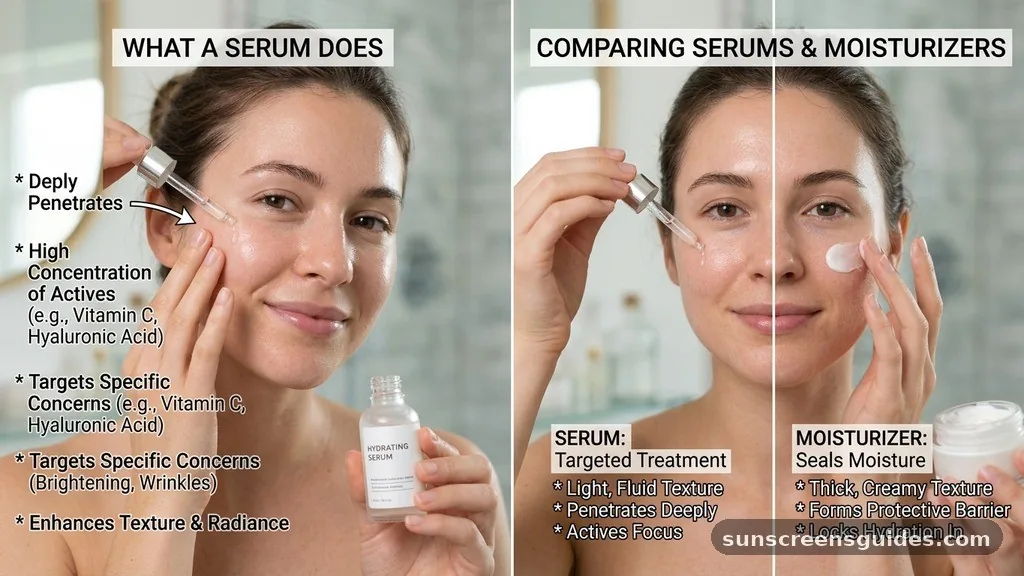
Many users struggle to differentiate between these two staples. While both contribute to a healthy complexion, they serve completely different mechanical purposes. A moisturizer is largely about protection, whereas a serum is about correction.
| Feature | Serum | Moisturizer |
|---|---|---|
| Primary Goal | Targeted treatment | Hydration and sealing |
| Texture | Lightweight, fluid | Creamy, thick |
| Depth | Penetrates deep | Acts on the surface |
| Concentration | High active content | Lower active content |
Addressing Common Skin Texture Issues
Improving skin texture is often the primary reason people turn to serums. If your face feels rough or uneven, it is usually because dead skin cells are accumulating on the surface. Serums containing acids for chemical exfoliation, such as AHAs (alpha-hydroxy acids) or BHAs (beta-hydroxy acids), can gently dissolve the glue holding those dead cells together.
This process reveals the fresh, smoother skin underneath without the harshness of physical scrubs. When you use an exfoliating serum, you are essentially accelerating the natural shedding process. This makes your skin look smoother to the touch and more reflective, as light bounces off a smooth surface more effectively than a rough, flaky one.
How to Integrate Serums into Your Routine
To get the most out of your purchase, you must follow the correct order of operations. Skincare should always be layered from the thinnest consistency to the thickest.
This is because lighter, water-based products need to be applied directly to clean, slightly damp skin to absorb properly. If you put a thick, oil-based cream on first, the serum will simply sit on top of the barrier rather than sinking in.
Always cleanse your face first to remove debris. Apply your serum while the skin is still slightly damp, as this can help the humectants pull even more water into the dermis.
Allow the serum about sixty seconds to set before applying your moisturizer. This simple timing ensures that the topical application is as efficient as possible.
Addressing Topical Gaps and Misconceptions
A common misconception is that serums are “too strong” for sensitive faces. While it is true that some high-concentration acids or retinoids can cause irritation, not all serums are created equal.
The market offers a wide variety of soothing, calming formulas specifically for reactive skin types. If you have been avoiding serums because of a bad experience, you might simply have been using a formula with an irritant your specific skin type doesn’t like.
Another gap in common knowledge involves the timing of application. Many people believe they need to use a different serum for every single day of the week, but simplicity often wins.
Using one reliable, high-quality hyaluronic acid serum and one targeted treatment like vitamin C or retinol is often far more effective than layering five different products that might conflict with each other chemically. Consistency beats complexity every time.
Conclusion
Understanding what a serum do for your face is about recognizing that your skin is a dynamic organ that responds to the specific nutrients you feed it. By choosing high-quality formulas that match your personal skin concerns, you can move past general maintenance and begin actively improving your texture, tone, and overall resilience.
Whether you are aiming to increase your hydration levels, smooth out rough patches, or defend your complexion against environmental damage, the right serum serves as the most effective tool in your kit. Take a moment to assess your skin’s immediate needs, select a product with proven ingredients, and observe how a consistent, thoughtful approach changes your skin’s health over the coming weeks.
Is it necessary to use a face serum every day?
Yes, daily use is recommended to maintain consistent levels of active ingredients for visible, long-term skin improvements.
Do I need both a serum and a moisturizer?
Yes, they serve different roles; the serum treats specific concerns, while the moisturizer seals and protects skin.
Can I apply multiple serums at once?
You can, but limit it to two or three to avoid irritation and ensure proper absorption into the skin.
What are the common side effects of using serums?
Potential side effects include redness, dryness, or stinging if the active ingredients are too strong for your skin.
Should I apply serum on wet or dry skin?
Applying to slightly damp skin is generally better as it helps humectants draw more moisture into the dermis.
How long does a serum take to show results?
Most serums require four to six weeks of consistent daily use to show noticeable changes in skin appearance.
Can serums replace my sunscreen?
No, a serum cannot replace sunscreen; always apply SPF during the day to protect your skin from UV.



