


Deciding exactly when to put on vitamin c serum is the secret to getting the most out of your skincare investment. Most dermatologists suggest applying this potent antioxidant during your morning routine to maximize its protective capabilities against environmental stressors like UV rays and pollution. Because vitamin C is highly unstable, knowing how to layer it correctly with other active ingredients is just as important as the time of day you choose for application.
Mastering this step ensures your complexion stays bright, even-toned, and shielded from premature aging throughout the day. By following the right sequence, you will notice significant improvements in your skin’s overall texture and radiance.
The Optimal Time for Vitamin C Application
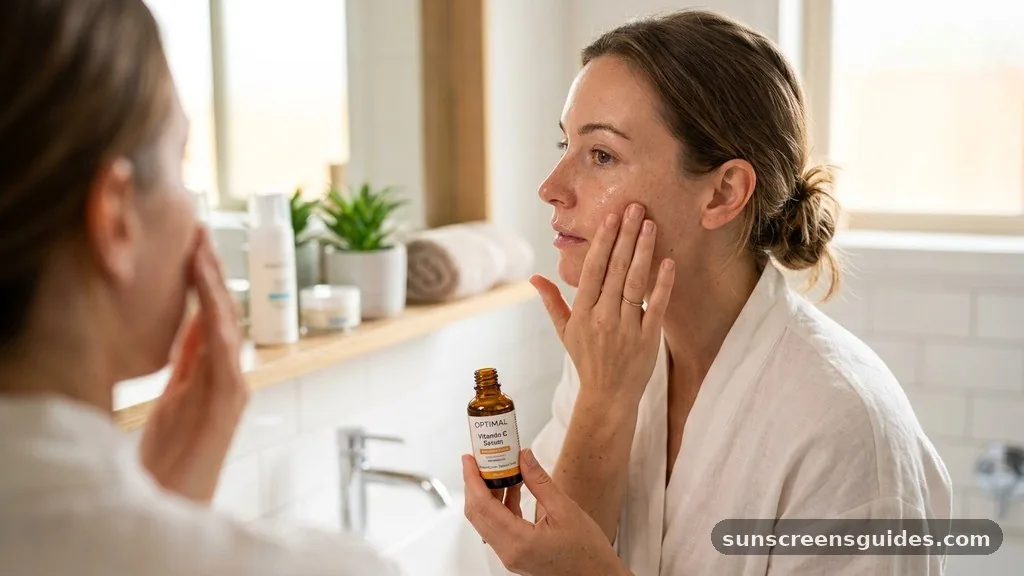
The best time to put on vitamin c serum is during your morning skincare routine, immediately after cleansing and toning. Applying it early allows the serum to act as a first line of defense against free radicals that you encounter once you step outside. Exposure to sunlight, smog, and dust triggers oxidative stress, which leads to collagen degradation and hyperpigmentation.
By layering this antioxidant serum under your sunscreen, you effectively create a synergistic protective barrier. Think of your sunscreen as the shield and the vitamin C as the armor underneath.
While you can technically apply it at night, the primary benefits of the serum are tied to daytime environmental exposure. Using it in the morning ensures you are reaping the full photoprotective rewards before the day starts.
Layering Your Skincare for Maximum Efficacy
Getting the sequence right is essential when you decide when to put on vitamin c serum. Skincare products generally follow a rule of thumb: apply from the thinnest consistency to the thickest. This allows the water-based, highly active serum to penetrate the skin barrier before you apply heavier creams or occlusives.
The Correct Order of Operations
1. Cleanser: Start with a clean, damp face to remove debris from the night.
2. Toner: Use a pH-balancing toner if your routine includes one.
3. Vitamin C Serum: Apply a few drops to dry skin; allow it to fully absorb.
4. Moisturizer: Lock in hydration with a lightweight day cream.
5. Sunscreen: Finish with broad-spectrum SPF to seal the deal.
Navigating Ingredient Compatibility
One of the biggest concerns for users is knowing when to put on vitamin c serum if they use other active ingredients like AHAs, BHAs, or retinol. Mixing certain ingredients can lead to irritation or render the serum ineffective. Since vitamin C is acidic, it requires a specific pH level to remain stable and absorbable.
Common Ingredient Interactions
| Ingredient | Compatibility | Strategic Advice |
|---|---|---|
| Niacinamide | Conditional | Can cause flushing; wait 15 minutes between applications. |
| Retinol | Low | Use retinol at night and vitamin C during the day. |
| Hyaluronic Acid | High | Perfect pair; apply HA after vitamin C to lock in moisture. |
| Sunscreen | High | Mandatory pairing; boosts overall skin protection. |
Addressing Topical Gaps: Stability and Storage

Many people struggle with the serum turning orange or brown before they finish the bottle. This oxidation process is a common frustration, yet it is rarely explained in depth. When vitamin C—specifically L-ascorbic acid—is exposed to light, air, or heat, it breaks down.
To prevent this, store your serum in a cool, dark place, such as a drawer or a cabinet away from bathroom steam. If your product changes color significantly, it has likely lost its potency and may cause skin irritation.
Many premium brands now use airless pump bottles or opaque glass to extend the shelf life of the formula. Always check the texture; if it feels gritty or smells like burnt metal, it is time to replace it.
Common Mistakes During Application
It is easy to misjudge when to put on vitamin c serum if you are rushing through your morning routine. A frequent error is applying the serum while the skin is still soaking wet from the shower. While damp skin helps with absorption for some products, vitamin C can sometimes cause stinging if the skin is too damp or compromised.
Another common mistake is skipping the waiting period. You should give the serum at least two to five minutes to sink into the dermis before layering your moisturizer. If you apply your moisturizer immediately, you risk diluting the active ingredients or pushing them around the surface rather than letting them settle into the pores.
How to Identify Signs of Skin Sensitivity
Not all vitamin C formulations are created equal. Some use L-ascorbic acid, which is potent but acidic, while others use derivatives like sodium ascorbyl phosphate. If you have sensitive skin, you might notice tingling or redness upon application.
* Start with a lower concentration, around 5% to 10%, to build tolerance.
* Perform a patch test on your inner arm before applying it to your face.
* If irritation persists, consider switching to a gentler derivative or reducing frequency to every other day.
* Always observe your skin’s reaction; a slight tingle is normal, but burning is a red flag.
The Role of Vitamin C in Evening Routines
While the morning is ideal, some individuals choose to use their serum at night. This is perfectly acceptable if you are using a stabilized derivative or if you prefer to keep your morning routine simple. Applying it at night can assist with cellular repair and collagen synthesis while you sleep.
However, if you use strong exfoliants or chemical peels in the evening, you must avoid layering vitamin C directly on top, as this combination significantly increases the risk of chemical burns or severe sensitivity. Always separate your exfoliating nights from your brightening nights if you want to use these actives effectively.
Summary and Next Steps
Understanding when to put on vitamin c serum changes the way your skin responds to your daily care routine. By prioritizing morning application and ensuring you layer your products from thinnest to thickest, you provide your face with the antioxidants it needs to fight daily environmental damage. Remember to store your bottle in a dark, cool space to keep the formula stable and effective for as long as possible.
If you are new to this ingredient, start slow, monitor your skin’s reaction, and always pair it with a reliable sunscreen. Once you establish this habit, you will likely see a visible difference in your skin’s brightness and resilience. If you have questions about specific product pairings or how to adjust your routine for your unique skin type, feel free to reach out for more tailored advice.
FAQ
Is it better to put on vitamin c serum in the morning or night?
Morning application is generally preferred to provide antioxidant protection against daily environmental stressors like UV and pollution.
Can I put on vitamin c serum after using retinol?
No, it is best to separate them; use vitamin C in the morning and retinol in the evening.
Should I put on vitamin c serum before or after moisturizer?
Apply your serum first to clean, dry skin, and follow with moisturizer once the serum has fully absorbed.
What is the best way to store my vitamin c serum?
Keep the bottle in a cool, dark place like a drawer to prevent oxidation from light and heat.
Can I put on vitamin c serum if I have sensitive skin?
Yes, but start with a lower concentration (5-10%) and use it every other day to build up tolerance.
Does vitamin c serum expire quickly?
Yes, it can oxidize. If the serum turns dark orange or brown, it has likely lost its effectiveness.
Should I put on vitamin c serum on damp skin?
It is usually better to apply it on dry skin to minimize potential irritation from the acidic formula.



