

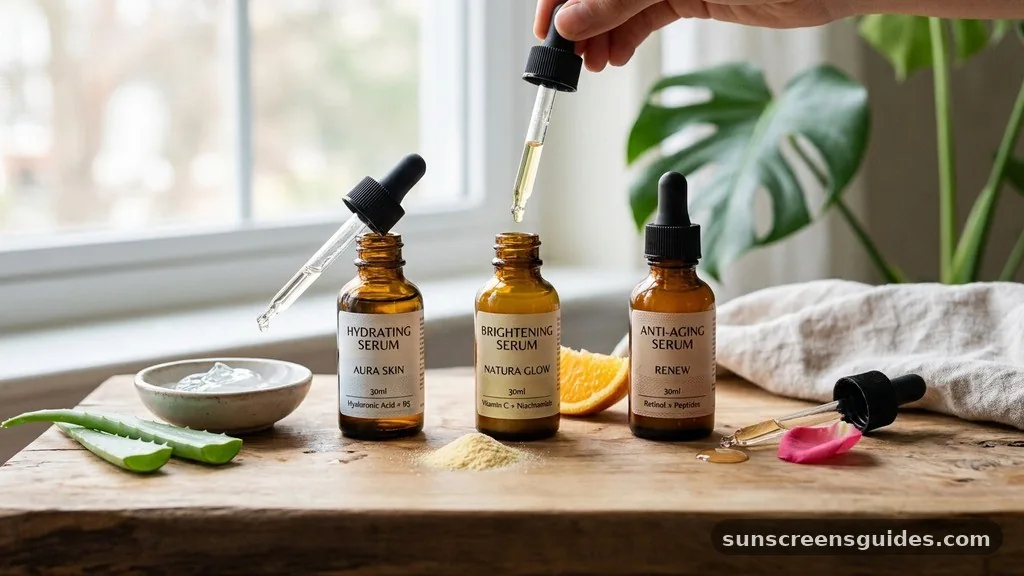
Figuring out exactly what is a facial serum can feel like a riddle when you stand in the skincare aisle. These lightweight products serve as concentrated delivery systems for potent nutrients, designed to penetrate deeper than your standard cream. By understanding how these formulas function, you gain a massive edge in addressing specific concerns like dullness, fine lines, or dehydration.
Rather than sitting on the skin’s surface like a heavy lotion, these liquids are crafted to sink in quickly. This makes them a vital step for anyone looking to go beyond basic cleansing and hydration to achieve visible, long-term results.
The Core Purpose and Function of Serums
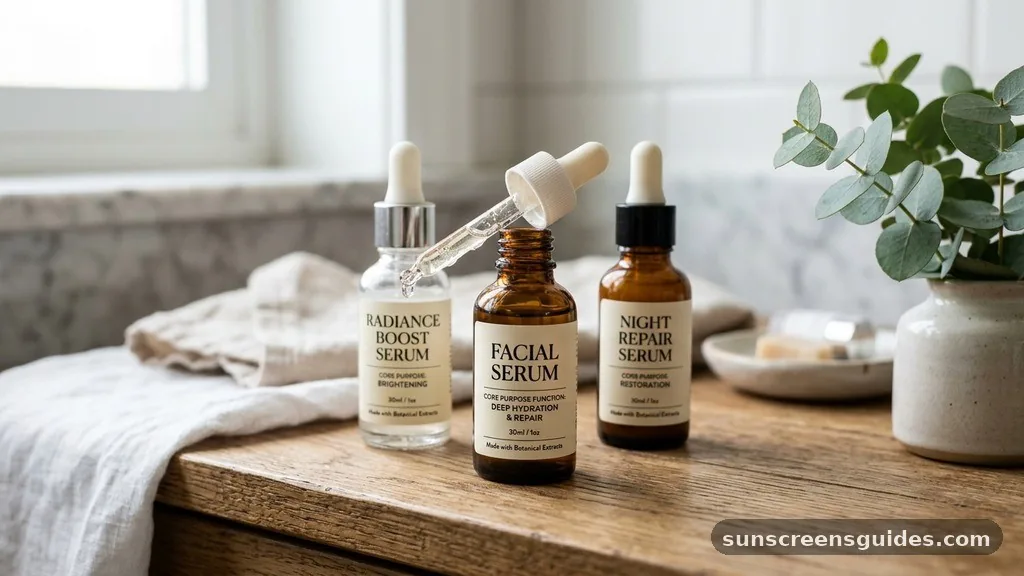
A facial serum is a specialized, lightweight skincare treatment that contains a high concentration of active ingredients designed to address specific skin concerns. Unlike thick creams that often rely on heavy emollients to coat the surface, these products are formulated with a smaller molecular weight. This design choice allows for superior epidermal absorption, ensuring that the beneficial compounds reach the layers of the skin where they can do the most work.
Because they lack the heavy thickeners and oils found in traditional moisturizers, they feel nearly weightless upon application. This makes them an ideal choice for layering under makeup or sun protection without leaving a greasy residue behind.
Their primary function is to deliver a targeted dose of nutrients directly to the skin, which is why they are often referred to as the “workhorses” of a professional skincare routine. By focusing on potency rather than just surface-level moisture, these liquids can tackle issues that standard lotions simply cannot reach.
Understanding Active Ingredients and Their Roles
The magic of these products lies entirely in their chemical makeup. When you look at the label, you will find ingredients chosen for their specific ability to influence cellular behavior or provide immediate structural support. Common components often include:
- Vitamin C: A powerful antioxidant that brightens the complexion and helps fade dark spots caused by sun exposure.
- Hyaluronic Acid: A humectant capable of holding vast amounts of water to plump the skin and reduce the appearance of fine lines.
- Retinol: A form of Vitamin A that accelerates cellular turnover, making it a go-to for anti-aging and smoothing texture.
- Niacinamide: A form of Vitamin B3 that calms inflammation and helps regulate oil production for clearer skin.
- Peptide Complex: Chains of amino acids that signal the skin to produce more collagen, improving overall firmness.
These substances are suspended in a base that is engineered to be highly stable and easily absorbed. Because the concentrations are so high, a little goes a long way. You usually only need a few drops to cover the entire face and neck, making them a surprisingly cost-effective investment over time.
How Serums Differ From Moisturizers
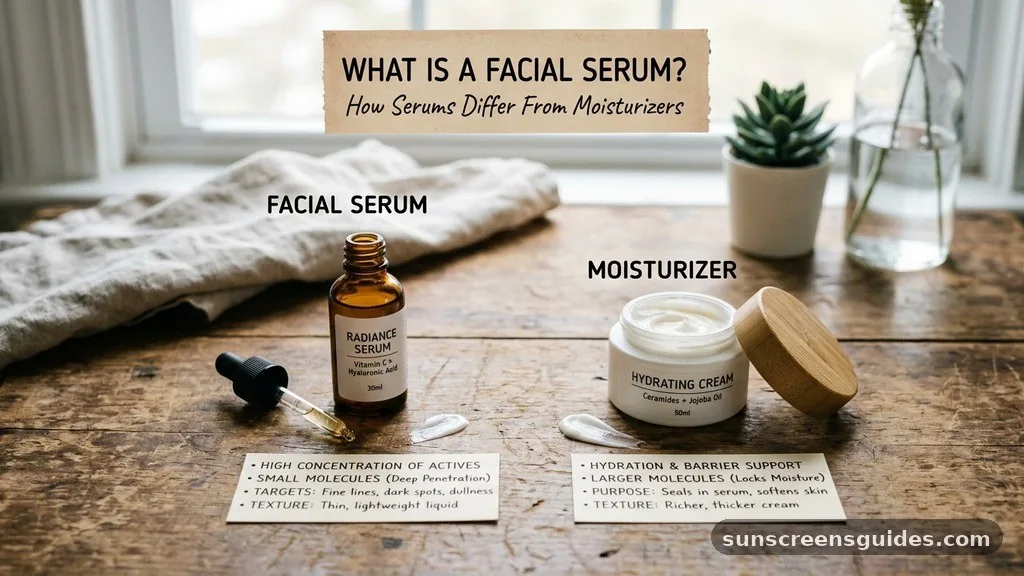
Many people confuse these two steps, but they serve entirely different functions in your daily regimen. A moisturizer acts as an occlusive agent, creating a protective barrier on the surface of the skin to prevent trans-epidermal water loss. In contrast, a serum is designed to penetrate the skin barrier to deliver its payload of active ingredients.
| Feature | Facial Serum | Moisturizer |
|---|---|---|
| Primary Goal | Target specific skin concerns | Hydration and barrier protection |
| Molecular Weight | Low (penetrates deep) | High (sits on surface) |
| Texture | Thin, watery, or gel-like | Creamy, thick, or lotion-like |
| Application | Applied first to clean skin | Applied last to seal everything in |
Think of the serum as the “treatment” and the moisturizer as the “sealant.” If you apply a heavy cream before your serum, the larger molecules in the cream will block the serum from reaching the deeper layers of the epidermis. This is why the order of operations matters so much; you must provide the skin with the treatment first so it can work its magic before you lock that moisture in place.
Addressing Topical Gaps in Serum Knowledge
One common misconception is that these products are only for people with mature or problematic skin. In reality, everyone can benefit from a well-chosen formula.
For example, a young person might use a lightweight antioxidant blend to prevent future environmental damage, while someone else might focus on a chemical exfoliant to manage acne. Another gap is the fear of irritation; users often assume that because a product is “concentrated,” it must be harsh.
However, modern dermatological formulations are increasingly sophisticated. Many brands now pair potent actives with soothing agents like ceramides or panthenol to ensure that skin barrier repair happens simultaneously with the treatment. Furthermore, there is the question of comedogenic properties.
While some facial oils can clog pores, most water-based serums are specifically designed to be non-comedogenic, meaning they are formulated to avoid blocking hair follicles. If you have sensitive skin, you don’t have to skip these products; you simply need to look for formulas that lack common irritants like synthetic fragrances or harsh alcohols. By identifying your specific skin type and the primary issue you want to address, you can choose a product that enhances your health rather than causing unnecessary stress to your complexion.
Conclusion
Integrating a targeted serum into your daily routine is one of the most effective ways to see real changes in your skin’s texture and appearance. Because these products focus on high-potency ingredients, they provide a level of care that simple cleansers and moisturizers cannot match. By selecting a formula that addresses your specific needs—whether that is managing hyperpigmentation, boosting hydration, or smoothing fine lines—you are giving your skin the tools it needs to thrive.
Always remember to apply them to clean, slightly damp skin for the best results, and follow up with a moisturizer to trap those benefits inside. Making this small adjustment to your morning or evening ritual can yield significant long-term rewards for your complexion’s health.
What is the best way to apply a facial serum?
Apply a few drops to clean, slightly damp skin, gently pressing it in until fully absorbed before moisturizing.
Can I use multiple serums at once?
Yes, you can layer them, but always apply the thinnest, most water-like formula first to ensure proper penetration.
How often should I use a serum?
Most can be used once or twice daily, but follow the specific instructions on the packaging for active ingredients.
Are there any side effects to using serums?
High-potency actives like retinol or acids can cause dryness or redness if the skin is not properly acclimated.
Do I still need a moisturizer if I use a serum?
Yes, a moisturizer is necessary to seal in the serum and prevent water from evaporating from your skin.
How long does it take to see results?
Depending on the ingredients, visible improvements typically appear after four to six weeks of consistent, daily use.
Can serums cause breakouts?
While most are non-comedogenic, always check the ingredient list for potential triggers if you are prone to acne.



