

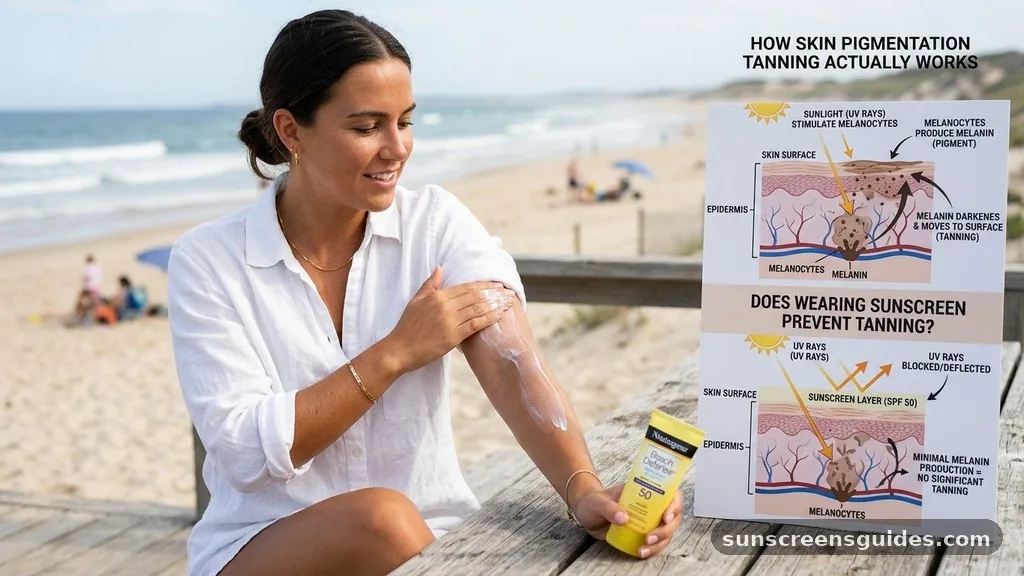
Many people wonder if applying a high-quality sunblock will ruin their chances of achieving a summer glow, leading to the common question of does wearing sunscreen prevent tanning entirely. The reality is more nuanced than a simple yes or no, as the effectiveness of your SPF depends on how you apply it and the specific rays you are trying to block.
While protecting your skin is vital for long-term health, understanding the mechanics of melanin production and solar exposure helps you make informed choices. This article cuts through the myths to explain how you can balance skin safety with your aesthetic goals while ensuring you stay protected from harmful ultraviolet radiation.
How Skin Pigmentation and Tanning Actually Work
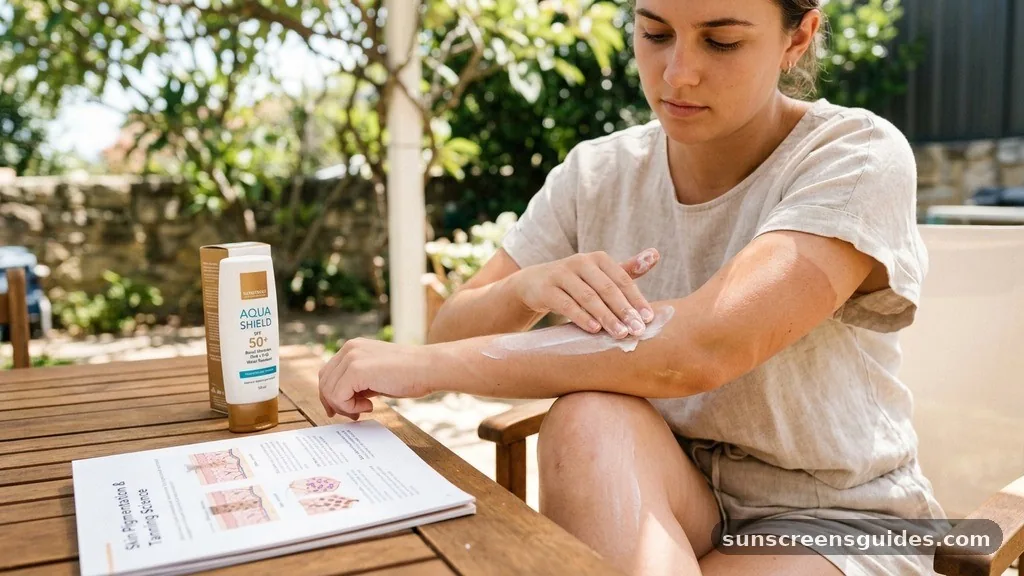
Tanning is essentially the skin’s defensive reaction to damage caused by exposure to the sun. When your skin detects an influx of ultraviolet radiation, it triggers your melanocytes to produce more pigment, known as melanin, to shield your DNA from further harm. This process is your body’s way of saying it has been stressed by external environmental factors.
It is helpful to view tanning not as a sign of health, but as a biological “scar” or a visible marker of skin injury. While many associate a golden complexion with vitality, dermatologists define a tan as evidence of cellular stress. By wearing sunscreen, you are fundamentally limiting the intensity of the signal that tells your body to produce that extra melanin.
The Role of Ultraviolet Radiation: UVA vs. UVB
To understand if your sunscreen is stopping your tan, you must distinguish between the two primary types of solar rays. UVB rays are the ones most responsible for causing erythema, or sunburn, by damaging the outermost layers of your skin. These are the rays that stimulate rapid melanin production, leading to that immediate, albeit damaged, golden color.
UVA rays, on the other hand, penetrate much deeper into the dermis. These rays are responsible for premature aging, wrinkles, and long-term skin health issues. Because broad-spectrum protection shields you from both, it inherently interferes with the tanning process by preventing the skin from reaching the threshold of damage required to trigger a deep tan.
Does Sunscreen Completely Block Tanning?
Sunscreen does not act like a perfect, impenetrable shield that stops every single photon of light from hitting your skin. Instead, it works by filtering or reflecting a significant portion of the solar spectrum, which significantly delays or minimizes the tanning response. If you are using a high-quality product, it is nearly impossible to tan the way you would without any protection at all.
Chemical Filters vs. Physical Mineral Blockers
The ingredients in your bottle determine exactly how your skin interacts with the sun. It is important to know the difference between the two main categories of filters:
- Physical mineral blockers: Ingredients like titanium dioxide and zinc oxide sit on the surface of the skin and physically reflect rays away, acting as a barrier.
- Chemical filters: These absorb into the top layer of your skin and convert ultraviolet radiation into heat, which is then released from the body before it can cause damage.
Both types are designed to maximize photoprotection, which effectively slows down the darkening of the skin. If you are wearing an adequate amount of broad-spectrum SPF, you are essentially telling your skin that it does not need to produce extra melanin, which is the primary reason many people find it difficult to tan while wearing sunscreen.
Factors That Influence Tanning Effectiveness

Your ability to achieve a tan while wearing protection depends on several variables beyond just the brand you choose. The SPF rating is the most significant factor, as it indicates how long a product protects you from UVB rays compared to unprotected skin.
| SPF Level | Approximate UVB Blocking Capability |
|---|---|
| SPF 15 | 93% |
| SPF 30 | 97% |
| SPF 50 | 98% |
| SPF 100 | 99% |
Even with a high SPF, user error often allows for some tanning. If you do not apply enough product, or if you fail to reapply every two hours, you are leaving patches of skin vulnerable. Sweating, swimming, and friction can also wear away your protection, creating an uneven tan that is often just a sign of patchy sun exposure rather than a healthy, uniform glow.
Addressing Topical Gaps: Can You Still Get a Tan?
There is a common misconception that wearing SPF 50 or higher makes it impossible to change your skin tone, but the reality is that no sunscreen is 100% effective at blocking every ray. Because SPF only measures protection against UVB, you may still be exposed to some UVA, which can contribute to a subtle darkening of the skin over time.
Furthermore, individual genetics play a massive role in how much melanin your body produces in response to light. Some people have a baseline that tans more easily than others, regardless of the level of protection used. If your primary goal is to avoid hyperpigmentation or sun damage, you should prioritize uniform coverage over the desire to change your skin color.
The Balance Between Vitamin D and Sun Safety
A frequent point of concern is whether consistent sunscreen use leads to a deficiency in vitamin D synthesis. While it is true that UV exposure is required for your body to produce this vital nutrient, you do not need to spend hours in the sun to achieve adequate levels. Most people can obtain sufficient levels through short, incidental exposure during daily activities.
You do not need to sacrifice your skin health by baking in the sun for hours to get your vitamin D. If you are concerned about your levels, blood tests and dietary supplements are much safer alternatives than intentionally damaging your skin through UV exposure. Protecting your skin from the carcinogenic effects of radiation remains the priority for long-term health.
Protecting Against Hyperpigmentation
For those prone to sunspots or uneven skin tone, understanding how sunscreen prevents tanning is actually a benefit. Hyperpigmentation occurs when specific areas of the skin produce excess melanin due to inflammation or UV damage. By wearing a consistent, high-SPF product, you are helping to keep your skin tone even and preventing those darker, stubborn spots from forming.
If you are already dealing with existing marks, staying out of the sun or wearing heavy protection is the best way to prevent them from darkening further. Even a small amount of unprotected exposure can cause old spots to flare up, making it harder to maintain a clear complexion.
Conclusion: Prioritizing Skin Health
Ultimately, the goal of using sun protection is to maintain the integrity of your skin cells rather than achieving a specific aesthetic look. While does wearing sunscreen prevent tanning is a valid question, the answer confirms that protection is doing its job by minimizing the damage that leads to pigmentation changes. If you are looking to achieve a golden look, consider safer, non-damaging alternatives like self-tanning lotions or bronzers.
These products provide the color you want without the risks associated with radiation exposure. By maintaining a consistent routine and applying your sunscreen liberally, you ensure your skin stays healthy, youthful, and resilient for years to come.
FAQ
Does wearing sunscreen prevent tanning entirely?
It significantly reduces the tanning process by blocking the radiation that triggers your skin to produce melanin.
Can I still get a tan if I use SPF 50?
Yes, because no sunscreen is 100% effective, but the tan will be much slower and less intense.
Is it better to tan without sunscreen to get color faster?
No, tanning without protection causes DNA damage, leading to premature aging, wrinkles, and increased skin cancer risk.
Does chemical sunscreen work differently than mineral sunscreen for tanning?
Both types aim to reduce UV penetration, though they interact with radiation using different physical and chemical mechanisms.
How often should I reapply sunscreen to ensure I am protected?
You should reapply every two hours, or immediately after swimming or sweating, to maintain consistent, effective coverage.
Does sunscreen prevent tanning on my face specifically?
Yes, and it is highly recommended to protect your face to prevent premature aging and stubborn dark spots.
Will I become vitamin D deficient if I wear sunscreen every day?
Most people get enough incidental exposure even with sunscreen use; supplementation is a safer way to manage levels.