

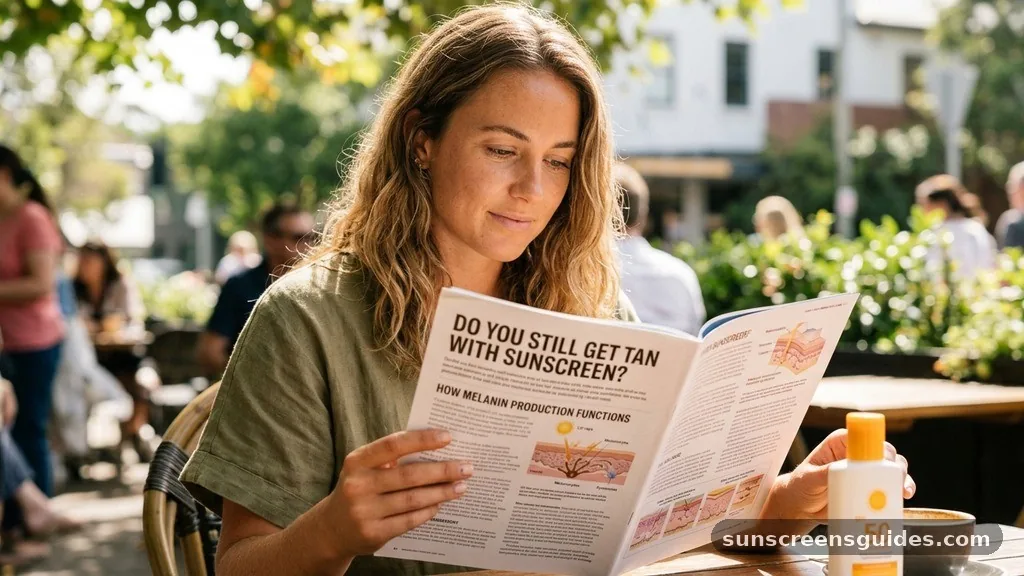
Many people wonder if they can achieve a golden glow while staying protected, leading them to ask whether you still get tan with sunscreen. The short answer is yes, you can, but it depends heavily on how you apply your product and the level of protection it provides. While sunscreen is primarily designed to prevent damage, it rarely blocks 100% of ultraviolet radiation.
This means that even with careful use, your skin might still undergo subtle changes in pigmentation over time. Understanding how this process works helps you balance the desire for a tan with the critical need to maintain your long-term skin health.
The Mechanism Behind Tanning and Sun Exposure
Tanning is essentially the body’s defensive response to environmental stress. When your skin is exposed to ultraviolet radiation, it triggers a biological process aimed at protecting your deeper cellular layers from further harm. This isn’t just about changing your appearance; it’s a sign that your skin is working hard to mitigate damage.
How Melanin Production Functions
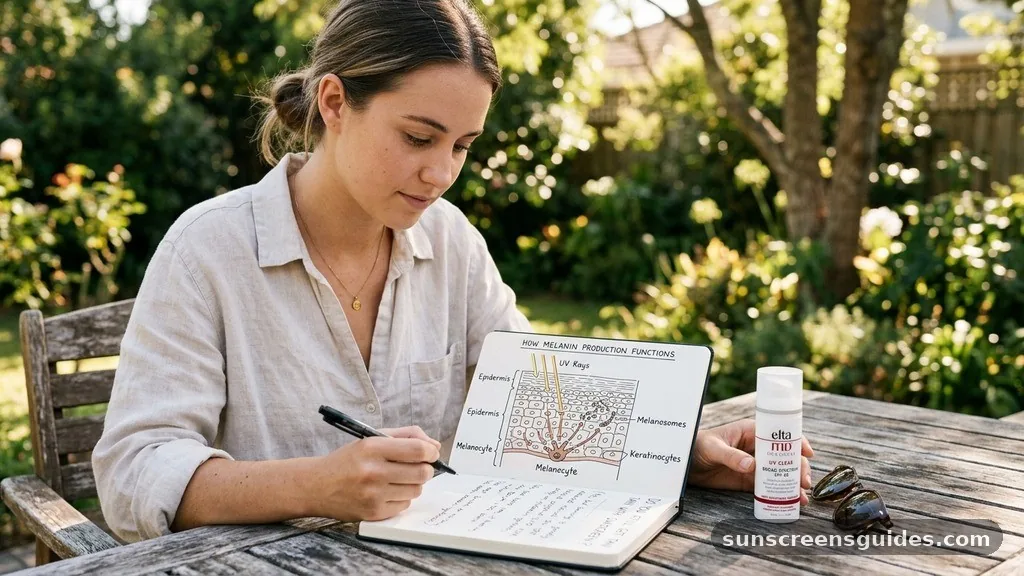
When your skin absorbs UV light, your body stimulates melanocytes, which are specialized cells located in the base of the epidermis. These cells produce melanin, the pigment responsible for the color of your hair, eyes, and skin. As you spend time in the sun, this melanin moves toward the surface of your skin to absorb and dissipate harmful rays. This darkening effect is your body’s attempt to create a natural shield against the intensity of the sun. It is important to remember that a tan is not a “healthy glow” but rather a structural change indicating that your skin barrier has been compromised by exposure.
The Role of UVA and UVB Rays
Not all sunlight affects your skin in the same way. To understand if you will tan while wearing protection, you have to look at the different wavelengths of light involved in the process.
Distinguishing Between UVA and UVB
* UVB rays are the primary cause of erythema, or sunburn. They have a shorter wavelength and target the outermost layers of the skin. * UVA rays have a longer wavelength and penetrate deeper into the dermis. These are the rays most responsible for photoaging, such as wrinkles, leathery skin, and sunspots.
Because most standard sunscreens are formulated to block UVB rays effectively, they stop the rapid burning sensation that alerts you to sun damage. However, if your sunscreen does not offer broad-spectrum protection, UVA rays can still penetrate your skin. This deep-tissue penetration is what allows for gradual darkening without the immediate redness of a burn.
Decoding the SPF Rating and Its Efficacy
The SPF rating—or sun protection factor—is a measure of how well a product shields your skin from UVB rays. Many users mistakenly believe that SPF is a linear scale, but the math behind it is more nuanced than it appears.
How SPF Filters Radiation

An SPF 15 sunscreen filters out approximately 93% of UVB rays. Moving up to SPF 30 filters about 97%, and SPF 50 filters roughly 98%. No sunscreen on the market can block 100% of the sun’s rays. This small percentage of “leaky” UV radiation is why you might notice a tan appearing even when you are diligent with your application. If you apply a lower SPF or fail to reapply as directed, that percentage of radiation reaching your skin increases significantly, accelerating the tanning process while simultaneously increasing the risk of cellular damage.
| SPF Level | Approximate UVB Filtration | Likelihood of Tanning |
|---|---|---|
| SPF 15 | 93% | Higher |
| SPF 30 | 97% | Moderate |
| SPF 50+ | 98%+ | Low |
Addressing Common Misconceptions and Topical Gaps
There is a pervasive myth that using a high SPF prevents you from getting any color at all, which keeps many people from wearing sunscreen consistently. Let’s clarify why this happens and how to manage your expectations regarding sun exposure.
Why You Might Still Darken
Many people experience tanning despite wearing sunscreen because of application errors. Most individuals apply less than half of the recommended amount of product, meaning an SPF 50 might only provide the protection of an SPF 15 or 20 in practice. Additionally, sweating, swimming, or simple friction from clothing can remove the protective film, leaving your skin vulnerable. Furthermore, if you are using a product that lacks broad-spectrum protection, you are essentially inviting UVA rays to trigger pigment production while ignoring the UVB rays that cause burning. It is also worth noting that some people have a higher baseline of skin pigmentation, which makes their tanning response more visible even under lower levels of exposure.
Maintaining Skin Health During Sun Exposure
Prioritizing photoprotection does not mean you have to hide indoors all summer. Instead, it means being smarter about how you interact with the environment. Using a high-quality non-comedogenic sunscreen ensures that you are protecting your skin without clogging your pores, which is essential for those prone to breakouts.
Balancing Sun Exposure
While vitamin D synthesis is a natural and beneficial outcome of brief, controlled sun exposure, you do not need to tan to get enough of it. A few minutes of sunlight on your arms and hands is often sufficient for most people. If your goal is to avoid photoaging and preserve your skin’s elasticity, you should rely on high-SPF, broad-spectrum products. If you are still seeing a tan, your current routine is likely insufficient, and you should consider increasing your frequency of application or choosing a higher SPF.
FAQ Section
Does SPF 50 completely prevent tanning?
No, SPF 50 filters about 98% of UVB rays, meaning some radiation still reaches your skin.
Is a tan a sign of healthy skin?
No, a tan is actually a biological defense mechanism indicating that your skin has suffered UV damage.
Why do I still get dark with broad-spectrum sunscreen?
You may be applying too little product, missing spots, or failing to reapply throughout the day.
Should I use a lower SPF to help me tan?
No, using lower SPF increases your risk of painful sunburn, premature aging, and potential skin cancer.
Does sunscreen block vitamin D production?
Sunscreen reduces vitamin D synthesis, but most people obtain enough through occasional, incidental sun exposure.
What is the best way to maintain a tan safely?
The safest way to get a bronze look is using self-tanning lotions rather than UV exposure.
Does water or sweat wash off sunscreen?
Yes, most sunscreens require reapplication every two hours or immediately after swimming or heavy perspiration.
Conclusion
Deciding how you approach sun safety is a personal choice, but being informed about the reality of whether you still get tan with sunscreen is vital. While no product provides an impenetrable shield against the sun, wearing a high-quality, broad-spectrum sunscreen is the most effective way to protect your skin from long-term damage and premature aging. If you notice your skin darkening, it is a clear indicator that your current level of protection is being bypassed by UV rays. By applying sunscreen generously and frequently, you can enjoy your time outdoors while keeping your skin’s health as a top priority. Feel free to share your experiences with different sunscreens in the comments below or reach out if you have more questions about skin care.



