


Mastering the process of how to apply serum on face effectively is the secret to unlocking the full potential of your skincare products. Because these concentrated formulas contain potent active ingredients, their efficiency depends entirely on your application technique.
Whether you are dealing with dullness, dehydration, or signs of aging, using the right method ensures that your skin absorbs the beneficial nutrients where they are needed most. By following a structured approach, you can maximize absorption while minimizing the risk of irritation, helping you achieve healthier and more resilient skin over time.
The Fundamental Steps for Effective Serum Application
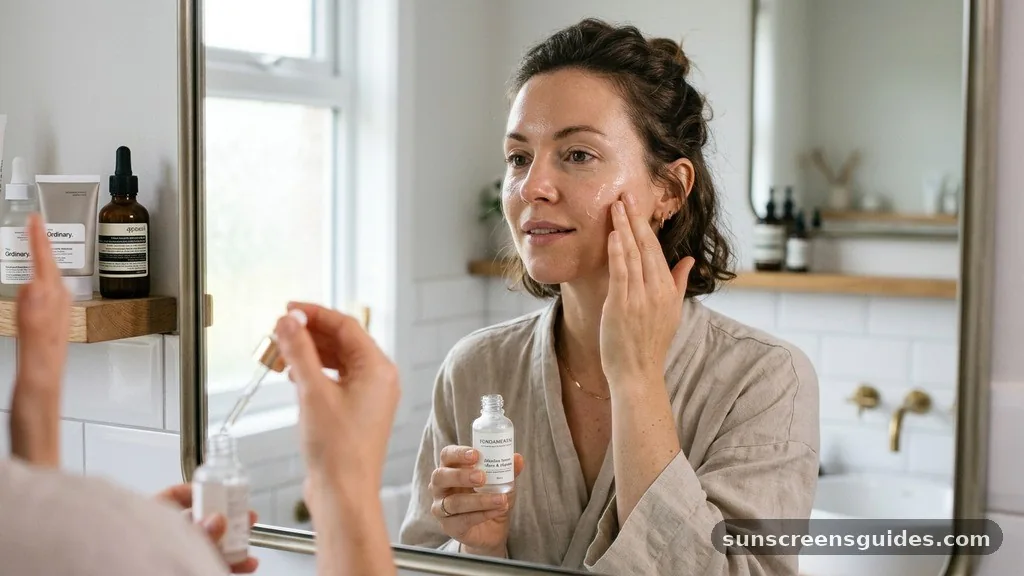
The correct way to apply serum on face involves a specific sequence that prioritizes product weight and absorption. Serums are thinner than creams, meaning they must reach the skin before heavier emollients create a barrier.
Start with a clean canvas. Use a gentle facial cleanser to remove dirt, oil, and makeup. If you skip this step, the pollutants remaining on your skin will interfere with the pore penetration of your serum.
Once your face is clean, follow up with a toner if it fits your current preference, but keep the skin slightly damp. Damp skin acts like a sponge, allowing the serum to glide on more evenly and penetrate deeper.
When applying the product, dispense a small amount—usually three to five drops—into the palm of your hand. Gently warm the liquid between your fingertips for a few seconds. This small action helps with the serum viscosity, making the product easier to spread across your forehead, cheeks, and chin.
Use a pressing motion rather than aggressive rubbing. Pressing forces the product into the pores and stimulates blood circulation, which helps with overall product delivery.
Optimizing Your Skincare Routine Order
Understanding the sequence of your skincare routine is vital for achieving results. If you apply products in the wrong order, you effectively neutralize the benefits of your most expensive treatments.
Layering Products Correctly
The golden rule of layering is to move from the lightest to the heaviest consistency. Serums are almost always lighter than lotions and creams. After your serum has fully settled—typically waiting about 60 seconds—you should follow up with an occlusive moisturizer. This step is essential because it locks in the hydration provided by the serum, ensuring it doesn’t evaporate into the air.
Daytime Versus Nighttime Application
Your needs change depending on the time of day. Morning routines should focus on protection, while evening routines prioritize repair.
| Time of Day | Primary Goal | Common Ingredients |
|---|---|---|
| Morning | Protection & Hydration | Vitamin C, Hyaluronic Acid |
| Evening | Repair & Renewal | Retinol, Peptides, AHAs |
During the day, vitamin C is a powerhouse for neutralizing free radicals. Always finish your morning routine with a sun protection factor (SPF) product, as many active ingredients can make your skin more sensitive to sunlight. At night, you might choose a retinol serum to encourage cell turnover, provided your skin can tolerate the potency.
Why Skin Hydration and Moisture Barriers Matter
A healthy moisture barrier is the foundation of glowing, resilient skin. When you focus on how to apply serum on face, you are essentially feeding this barrier.
Ingredients like hyaluronic acid work by drawing water into the top layers of the epidermis. If your barrier is compromised, this moisture escapes quickly, leaving your skin feeling tight or flaky despite using high-quality products.
Applying serums to damp skin is a pro-tip for boosting skin hydration. Because hyaluronic acid is a humectant, it grabs moisture from the environment.
If your skin is dry, it may pull water from deeper layers of your dermis, which can ironically lead to dehydration. Always mist your face with water or apply your serum immediately after patting your face dry after cleansing.
Handling Topical Gaps and Common Mistakes
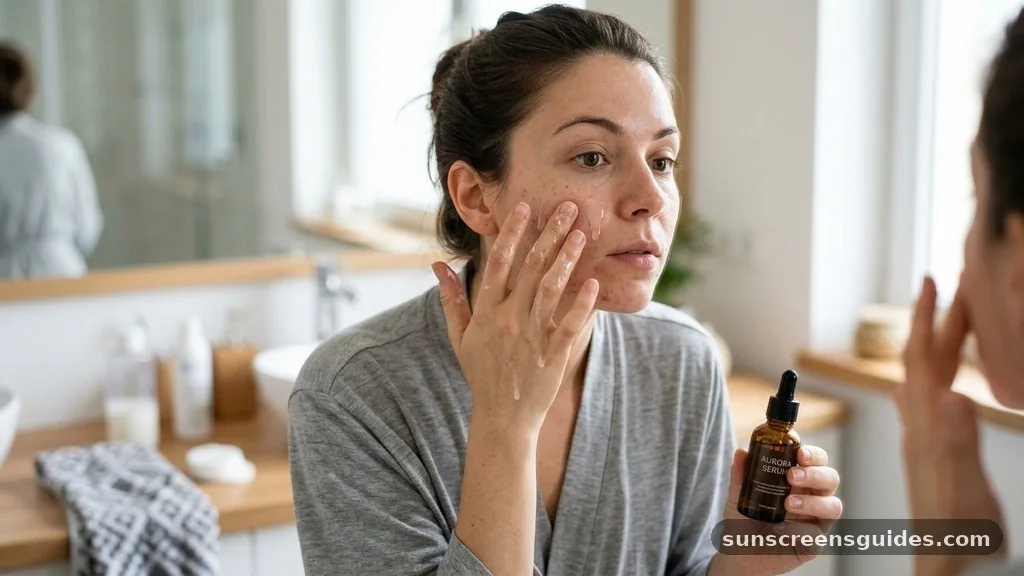
Many users struggle because they apply too much product or ignore the importance of the waiting period. A common mistake is thinking that more product equals better results.
Because serums are highly concentrated, a little goes a long way. Over-applying can leave a sticky residue that pills under makeup or causes unnecessary breakouts.
Another gap in many routines is the lack of patch testing. Before introducing a new, potent serum, apply a small amount to your inner forearm or behind your ear.
Wait 24 hours to observe for any allergic reaction. This is particularly important for those with sensitive skin or when using high-strength actives.
Finally, pay attention to the application area. While serums are designed for the face, don’t forget the neck and décolletage.
These areas show signs of aging just as quickly as the face but are often ignored during a standard routine. Using the same gentle, pressing motions on these areas ensures a consistent appearance across your upper body.
Best Practices for Active Ingredients
Not all serums are created equal, and some require specific handling to remain effective. Active ingredients like L-ascorbic acid (a form of vitamin C) are notoriously unstable when exposed to light and air. Keep these bottles in a cool, dark place to maintain their potency. If your serum changes color or develops a strange odor, it has likely oxidized and will no longer provide the intended benefits.
Retinoids, on the other hand, are highly effective but can cause initial dryness or redness. If you are new to retinol, start by applying it only two or three times a week.
This slow introduction allows your skin to build tolerance. Never layer multiple highly active serums at once unless they are specifically designed to be compatible, as this can lead to irritation and a disrupted moisture barrier.
Consistency and Long-Term Results
The secret to success with any topical regimen is consistency. Serums are not instant fixes; they are long-term investments in your skin’s health. While you might notice immediate hydration from a hyaluronic acid formula, brightening or anti-aging results from ingredients like vitamin C or retinol often take six to eight weeks of regular use to become visible.
Documenting your progress can be helpful. Take a photo of your skin in natural light before you begin a new routine, then check back in two months later. This helps you identify which products are actually working for your unique skin type.
If you notice persistent redness, itching, or excessive peeling, dial back your usage. Listen to what your skin is telling you, and adjust your dermatological application frequency accordingly.
FAQ
How much serum should I use per application?
Use a pea-sized amount or three to five drops to cover your entire face and neck evenly.
Should I apply serum on wet or dry skin?
Applying serum on damp skin enhances absorption and helps humectants like hyaluronic acid lock in more moisture.
Can I use multiple serums at once?
Yes, but layer them from thinnest to thickest and ensure they are compatible to avoid skin irritation.
Do I need to wait between applying serum and moisturizer?
Yes, wait about one minute to allow the serum to fully absorb before applying your heavier occlusive moisturizer.
Is it safe to apply serum around the eyes?
Only if the product is formulated for the delicate eye area; otherwise, avoid direct contact with eyes.
Can I apply serum on my face every single day?
Most hydrating serums are safe for daily use, but potent actives like retinol require a gradual introduction.
What happens if I skip moisturizer after serum?
Your serum may evaporate, leading to transepidermal water loss and leaving your skin feeling tight or dry.
Learning how to apply serum on face is a straightforward process that yields massive returns when done correctly. By keeping your skin slightly damp, layering your products from thinnest to thickest, and always sealing in the moisture with an appropriate cream, you create an environment where your skin can thrive. Remember that patience is just as important as the technique itself; consistent application over several weeks will always outperform sporadic, heavy-handed efforts.
As you continue to refine your routine, keep an eye on how your skin responds to different ingredients and adjust your frequency as needed. Feel free to experiment with the order of your products to see what works best for your specific skin type and lifestyle needs.



