

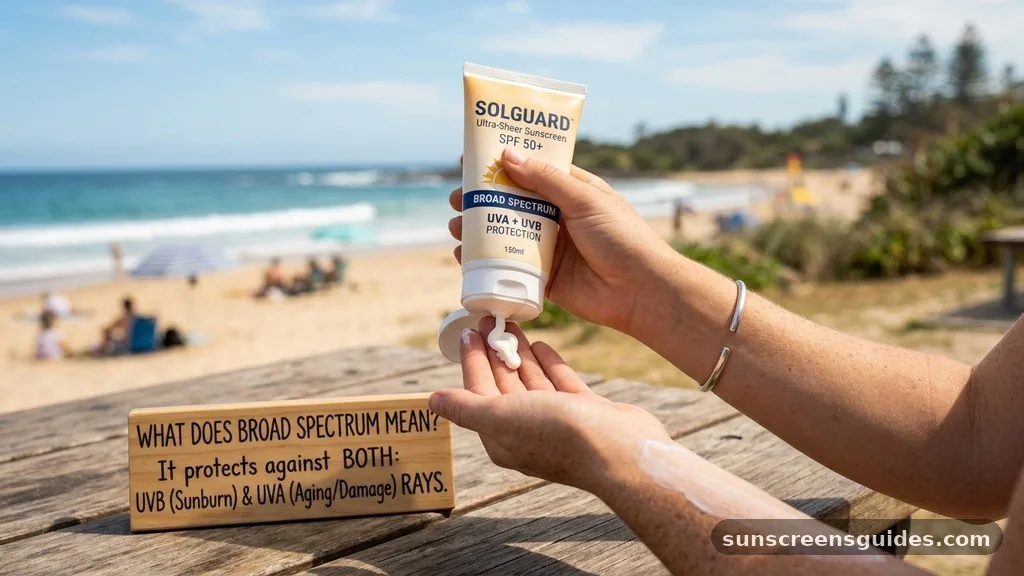
Understanding what broad spectrum sunscreen mean in the context of your daily skincare routine is the most vital step toward protecting your complexion. Many people mistakenly believe that the Sun Protection Factor, or SPF, tells the whole story, but that number actually focuses almost exclusively on one specific type of solar radiation.
When a bottle carries the “broad spectrum” label, it signifies that the formula has passed rigorous FDA testing to ensure it guards against both UVA rays and UVB rays. By blocking these distinct threats, you effectively minimize the risk of skin cancer and prevent the visible signs of premature aging.
Defining the Core Concept of Broad Spectrum Protection
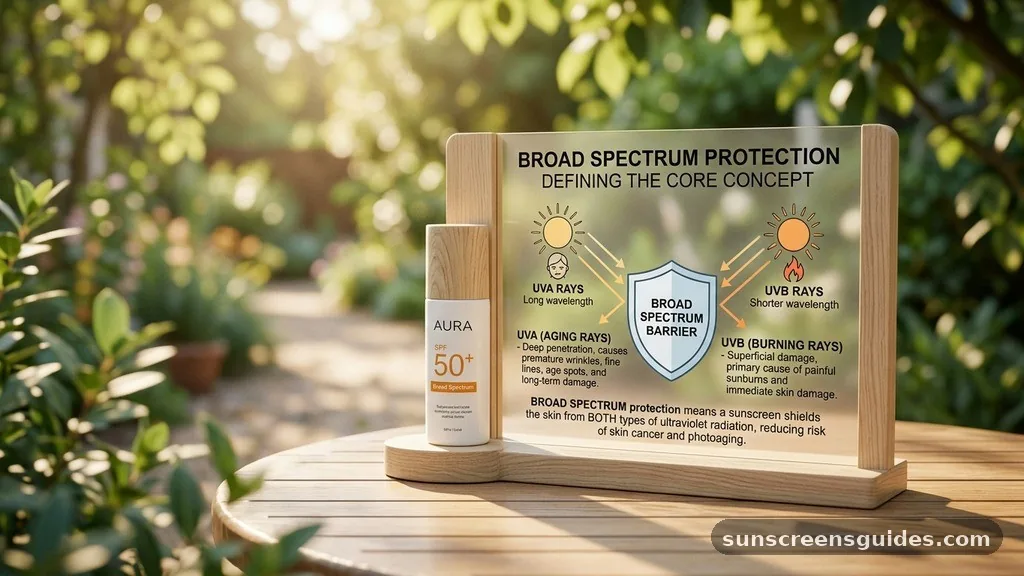
At its simplest level, knowing what broad spectrum sunscreen mean involves recognizing that the sun emits two types of harmful ultraviolet light. While UVB rays are primarily responsible for the immediate redness of a sunburn, UVA rays penetrate deeper into the skin layers.
These longer waves are the silent drivers of photoaging, leading to wrinkles, fine lines, and sunspots over time. If a product lacks the broad-spectrum designation, it might protect you from burning while still allowing deep-tissue damage to occur silently throughout the day.
Broad spectrum protection acts as a dual-action shield for your body’s largest organ. The dermatological standards established for this classification require the sunscreen to provide a proportional level of protection across the entire UV spectrum.
Without this specific certification, you are essentially gambling with your skin’s long-term health. Because both types of radiation contribute to the development of skin cancer, relying on a non-broad-spectrum product leaves a significant gap in your defense strategy.
How FDA Testing Validates Sunscreen Efficacy
The FDA testing process for broad spectrum claims is remarkably strict to ensure consumer safety. Manufacturers cannot simply print the label on a bottle based on their own internal assessments.
Instead, they must perform a specific “broad spectrum test” that measures the product’s absorbance across the UV spectrum. This test confirms that the sunscreen provides a high enough level of protection against UVA radiation relative to its UVB protection.
Only after a product demonstrates a specific ratio of UVA to UVB coverage can it legally be marketed as broad spectrum in the United States. This regulatory oversight prevents companies from misleading customers about the level of safety their products provide.
When you see this label, you are looking at a verified benchmark for quality. It confirms that the formula is capable of maintaining its integrity under sun exposure, a quality known as photostability.
Chemical Filters vs Mineral Sunscreen Options
Choosing the right type of sunscreen often comes down to the active ingredients used to achieve that broad spectrum status. You will generally encounter two primary categories: chemical filters and mineral sunscreen agents. Each works differently to neutralize or deflect solar energy.
The Mechanics of Mineral Sunscreen
Mineral options, often called physical blockers, rely on zinc oxide or titanium dioxide. These ingredients sit on top of the skin and create a physical barrier that reflects or scatters incoming UV light. Many dermatologists recommend these for sensitive skin because they are less likely to cause irritation or allergic reactions.
How Chemical Filters Function
Chemical filters work by absorbing the UV radiation before it can damage your skin cells, transforming the light into heat, which is then released from the skin. Common chemical ingredients include avobenzone or octocrylene. These formulas are often favored for their cosmetic elegance, as they tend to be thinner, rub in more easily, and leave less of a white cast compared to their mineral counterparts.
| Feature | Mineral Sunscreen | Chemical Sunscreen |
|---|---|---|
| Active Ingredients | Zinc Oxide, Titanium Dioxide | Avobenzone, Octocrylene, Oxybenzone |
| Mechanism | Reflects and scatters UV rays | Absorbs UV rays and converts to heat |
| Skin Feel | Can leave a white residue | Usually invisible and lightweight |
| Irritation Potential | Low (great for sensitive skin) | Higher (can sting eyes or cause sensitivity) |
Why SPF Alone Is Not Enough
The confusion regarding what broad spectrum sunscreen mean often stems from an over-reliance on the SPF number. SPF specifically measures how well a sunscreen protects against UVB rays, the type that causes burning. It does not correlate to the level of UVA protection provided by the formula. A high SPF rating might make you feel invincible, but if it lacks the broad-spectrum claim, you could be sustaining deep-skin damage without ever feeling the burn.
* SPF 30 blocks approximately 97% of UVB rays.
* SPF 50 blocks approximately 98% of UVB rays.
* SPF 100 blocks approximately 99% of UVB rays.
* High SPF values do not guarantee high levels of UVA coverage.
Because UVA rays are present even on cloudy days and can pass through window glass, you need that extra layer of broad spectrum protection every single day, not just during beach trips. Relying solely on SPF is like buying a lock for your front door but leaving the back window wide open. You need to address both categories of radiation to ensure comprehensive coverage.
Understanding Global Standards and the PA System
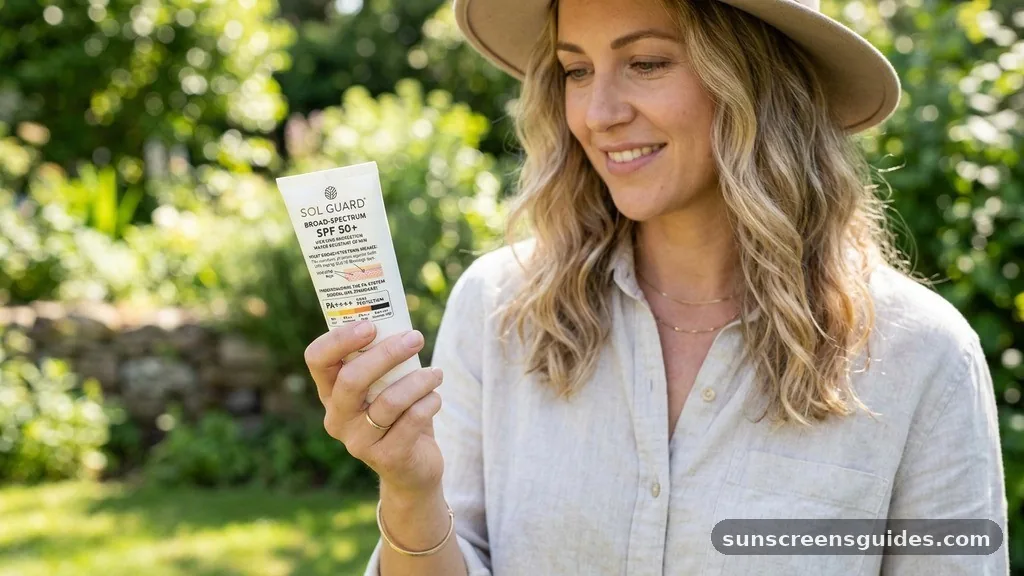
If you look at international products, you might notice the PA system rather than, or in addition to, the broad-spectrum label. This grading system, popular in Asian skincare markets, specifically measures the level of protection against UVA rays. It ranges from PA+ to PA++++, with more plus signs indicating higher UVA blocking capabilities.
While the FDA focuses on the broad-spectrum requirement, the PA system provides a more granular look at UVA intensity. Many modern, high-quality formulations now include both the broad-spectrum claim and a PA rating to satisfy global consumers. This is a helpful indicator of efficacy, especially if you are prone to hyperpigmentation or other concerns worsened by daily UVA exposure.
Addressing Common Misconceptions and Gaps in Knowledge
A major gap in public understanding is the assumption that sunscreen only matters when it is sunny outside. People often ask if they need to wear protection when they are driving or working near a window. The reality is that while UVB intensity peaks during midday, UVA rays remain constant throughout the day and throughout the year.
Another common myth is that people with deeper skin tones do not need to worry about sun damage. While melanin provides some natural protection, it is nowhere near enough to prevent the long-term damage caused by cumulative UV exposure. Everyone, regardless of skin tone, benefits from using broad-spectrum protection to maintain skin elasticity and reduce the risk of cellular mutations.
Finally, there is the issue of photostability. Some ingredients, particularly older chemical filters, can break down when exposed to sunlight.
This means a product might start out effective but lose its power after just thirty minutes in the sun. A truly effective broad-spectrum sunscreen must contain stabilizers that keep the active ingredients working for the duration of the recommended wear time.
How to Choose the Best Product for Your Needs
Selecting the right sunscreen involves looking beyond the marketing claims on the front of the packaging. Always flip the bottle over to check the active ingredients list first.
If you have active acne or rosacea, you might find that mineral options containing zinc oxide are much gentler on your complexion. If you are an athlete or someone who sweats heavily, look for a formula that explicitly mentions water resistance, as these are formulated to stay put longer.
Remember that the best sunscreen is the one you actually enjoy wearing. If you hate the smell or texture, you will likely skip applying it.
Test a few different types to find one that fits seamlessly into your morning routine. Whether it is a lightweight chemical serum or a tinted mineral cream, the consistency of your daily application is the most important factor in long-term success.
Frequently Asked Questions
What does broad spectrum sunscreen mean for my daily routine?
It means your sunscreen protects against both burning UVB rays and aging UVA rays every day.
Is mineral sunscreen always considered broad spectrum?
No, mineral sunscreen must still be formulated and tested to meet specific broad spectrum FDA requirements.
Can I rely on my makeup to provide broad spectrum protection?
Generally no, because you rarely apply enough makeup to reach the necessary thickness for adequate coverage.
What is the difference between PA++++ and broad spectrum?
Broad spectrum is an FDA label for dual UV coverage, while PA++++ specifically denotes high UVA protection.
Do I need broad spectrum protection in the winter?
Yes, UVA rays penetrate clouds and glass, so your skin remains vulnerable to damage all year round.
Does SPF 50 provide better protection than SPF 30?
Only marginally for UVB rays, but it does not guarantee higher UVA coverage without the broad-spectrum label.
Why do some broad spectrum sunscreens feel greasy?
The base ingredients and chemical filters used can create a film that feels heavier on the skin.
Maintaining Skin Health Through Consistent Habits
When you truly grasp what broad spectrum sunscreen mean, it changes your approach to health. It is not just about avoiding a temporary sunburn; it is about protecting your collagen and elastin from the slow, steady degradation caused by UVA rays.
By integrating a high-quality product into your morning ritual, you are investing in the future texture and resilience of your skin. Ensure that you apply a generous amount, roughly a nickel-sized dollop for your face, and reapply frequently if you are outdoors.
Small, consistent actions yield the best results for dermatological health. Don’t wait until you see the first signs of sun damage to start caring for your skin. Pick a product you love, keep it where you will see it, and make it a non-negotiable part of your day.
Your skin will thank you for years to come. If you have specific concerns about your skin type, consider reaching out to a local dermatologist for personalized recommendations on the best formulations for your unique needs.



