

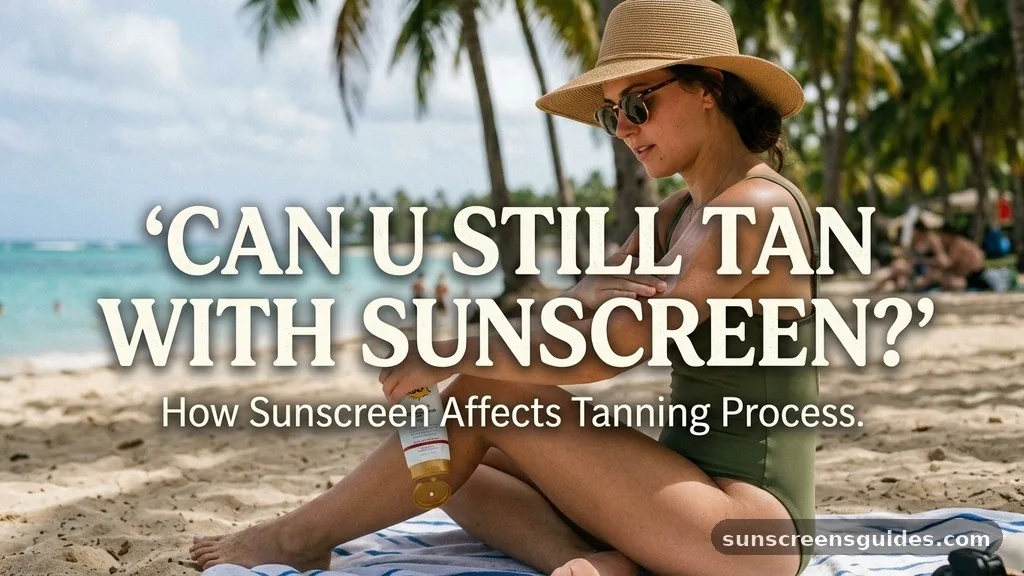
Many people wonder if they can still tan with sunscreen, often fearing that applying protection will leave them pale while everyone else develops a bronze glow. The reality is that wearing sunblock doesn’t strictly prevent color change, but it does significantly alter the process by which your skin responds to solar exposure.
If you’re curious about how you might achieve a deeper skin tone while prioritizing your long-term health, it helps to understand how different light wavelengths interact with your cells. Learning whether you can still tan with sunscreen effectively involves separating common myths from the dermatological facts regarding how our bodies react to the sun.
How Sunscreen Affects the Tanning Process
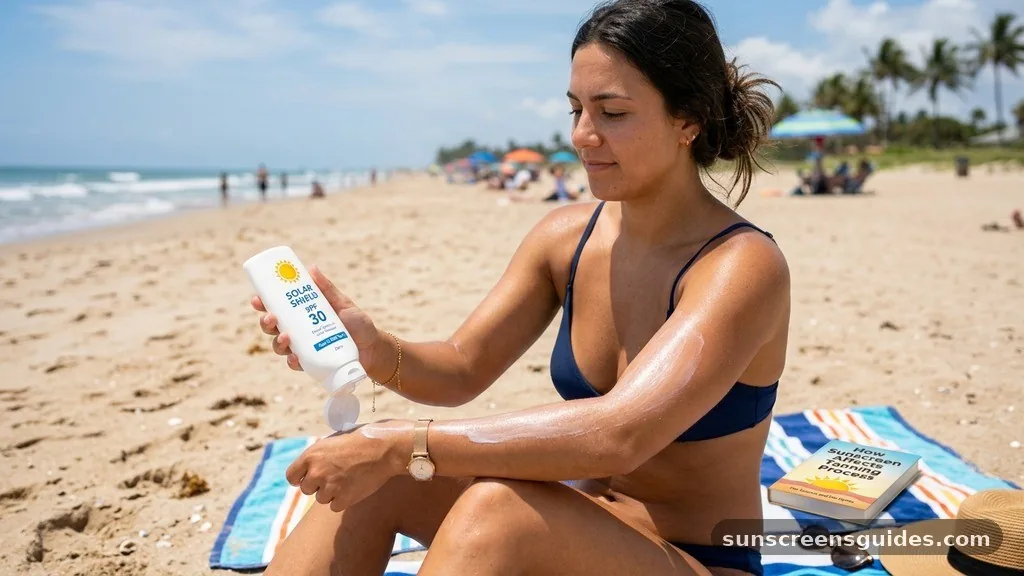
To answer whether you can still tan with sunscreen, you must first recognize that a tan is essentially a protective response by your body. When your skin is exposed to ultraviolet radiation, it triggers melanin production to shield your DNA from harm.
While sunscreen filters out a significant portion of these rays, it rarely blocks 100% of them. Consequently, your skin may still darken over time, albeit at a much slower and safer rate.
Sunscreen works by utilizing active ingredients that either absorb or reflect solar energy before it penetrates the epidermis. A product providing broad-spectrum protection shields you from both UVA rays and UVB rays.
Since UVB is primarily responsible for erythema—or sunburn—and UVA contributes to deeper skin penetration, a high-quality filter ensures you aren’t damaging your skin cells while you spend time outdoors. You are essentially allowing a controlled amount of radiation to reach your skin, which may result in a gradual tan without the painful redness of a burn.
The Role of SPF in Solar Exposure
The sun protection factor (SPF) number on your bottle indicates how much longer you can stay in the sun compared to having no protection at all. Many assume that a high SPF completely halts the tanning process, but that is a misunderstanding of how the rating system functions.
| SPF Level | UVB Blocking Percentage | Tanning Potential |
|---|---|---|
| SPF 15 | 93% | Higher |
| SPF 30 | 97% | Moderate |
| SPF 50 | 98% | Lower |
| SPF 100 | 99% | Minimal |
Higher SPF values provide increased photoprotection, which effectively minimizes the risk of skin damage and premature aging. While you might still see some color change with SPF 30 or 50, you are significantly reducing the intensity of the assault on your skin. If you are specifically looking to avoid the harmful consequences of sun exposure, sticking to a higher SPF is the medically recommended approach, regardless of your desire for a tan.
Dermatological Health and Sun Safety
Prioritizing your dermatological health means viewing a tan for what it really is: a sign of trauma. Every time your skin darkens, it is because it has sustained enough stress to initiate a defensive mechanism. Relying on sun protection does not guarantee immunity from skin cancer risk, but it drastically lowers the cumulative damage that leads to cellular mutations over decades.
Many people find that they prefer the look of a tan but want to avoid the health risks associated with natural solar exposure. If this sounds like you, consider these alternatives to sitting in direct sunlight:
- Opt for sunless tanning lotions that use dihydroxyacetone (DHA) to safely darken the skin’s surface.
- Use bronzing powders or creams for temporary, wash-off color that requires zero UV exposure.
- Consider spray tan services at professional salons for a more uniform and long-lasting appearance.
- Avoid using a tanning bed, as these devices deliver concentrated doses of radiation that are often more dangerous than natural sunlight.
Addressing Common Myths About Solar Protection
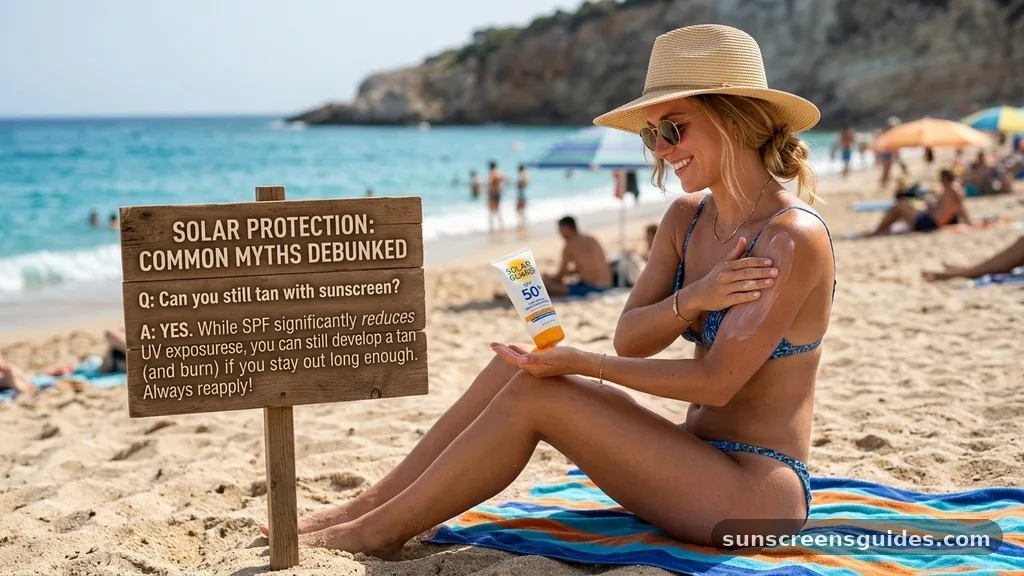
There is a persistent belief that you only need sunscreen on the days you intend to tan. This is incorrect.
You receive UV exposure even on cloudy days, and the cumulative effect of small, daily doses of radiation contributes to long-term issues like leathery skin texture and dark spots. By wearing sunscreen daily, you maintain the integrity of your skin barrier while still allowing for natural outdoor activity.
Some individuals worry that sunscreen will prevent vitamin D synthesis, which is a valid concern but often overstated. Research suggests that the amount of sun required for adequate vitamin D production is relatively small, and most people can achieve sufficient levels through incidental exposure, even while wearing sunscreen correctly. If you are concerned about your levels, blood tests and dietary supplements are safer ways to manage your health than intentionally seeking unprotected sun exposure.
Why Controlled Exposure Matters
If you are set on achieving a tan, the best strategy is to avoid the midday sun when UV intensity is at its peak. Choosing to go outside in the early morning or late afternoon reduces the risk of burning because the angle of the sun is lower. When you combine this timing with a consistent application of sunscreen, you manage your exposure far better than if you were to “fry” your skin in the middle of the day.
Consistency is key to both safety and the appearance of your skin. If you skip applying sunscreen to your ears, the back of your neck, or the tops of your feet, you will likely end up with painful burns in those areas while the rest of your body remains pale. Always use a generous amount of product—roughly an ounce for your entire body—and reapply every two hours, or immediately after swimming or sweating.
Topical Gaps: Is Tanning Through Clothing Possible?
A question that often arises is whether you can achieve a tan through fabric or while sitting behind a window. Most standard clothing provides some degree of UV protection, but it is rarely comprehensive.
A thin, white cotton t-shirt, for example, might have an SPF equivalent of only 5 to 7. This means you can absolutely get a “tan line” through clothing, which is effectively a form of skin damage caused by UV rays penetrating the weave of the fabric.
Similarly, sitting behind a glass window generally blocks UVB rays—the ones that cause immediate burning—but allows a significant amount of UVA rays to pass through. UVA rays are the primary culprits behind premature aging and long-term skin health decline.
So, while you might not get a red, painful sunburn through a window, you are still subjecting your skin to the specific radiation that causes wrinkles and cellular damage. Relying on windows for a “safe” tan is a misconception that puts your long-term skin health at risk.
Conclusion
Whether you can still tan with sunscreen largely depends on how much protection you apply and how long you remain in the sun. While it is physically possible to achieve a darker skin tone while wearing SPF, the goal should always be to minimize cellular stress. A slow, gradual change is safer than a rapid tan, which is almost always accompanied by underlying skin damage.
If you value your skin’s health and appearance over the long term, opt for high-quality, broad-spectrum products or consider safe cosmetic alternatives like sunless tanners. By choosing to protect your skin today, you are preventing the visible signs of aging and health complications that define the cumulative impact of sun exposure. Enjoy the outdoors responsibly, keep your skin hydrated, and embrace a safer approach to your summer glow.
FAQ
Can you get a tan while wearing SPF 50 sunscreen?
Yes, you may still tan, though it will occur much more slowly and with significantly less damage.
Is it possible to tan without causing any skin damage?
No, any darkening of the skin is a physiological response to UV-induced stress and potential cellular damage.
Does sunscreen block the rays needed for vitamin D?
Sunscreen reduces but does not completely stop vitamin D synthesis, which occurs during normal, brief outdoor exposure.
Should I wear sunscreen even if I want to get a tan?
Yes, wearing sunscreen is essential to prevent painful burns, premature aging, and the risk of skin cancer.
Does a higher SPF completely prevent tanning?
No SPF provides 100% protection; higher SPF levels simply filter out more radiation, slowing the tanning process.
Are tanning beds safer than natural sun exposure?
No, tanning beds deliver concentrated UV radiation that increases your risk of skin cancer significantly more rapidly.
Can you tan through a glass window?
You can get a tan through glass because UVA rays pass through it, though UVB burning is minimized.



