


Finding the right skincare product often feels like a guessing game, but learning how to choose serum for face routines becomes much simpler once you focus on your primary skin goals. Serums are concentrated treatments designed to deliver potent doses of active ingredients directly into the dermis, making them essential for addressing specific issues like dehydration, dullness, or fine lines.
By identifying your unique skin profile and matching it with the correct formulation, you can significantly improve your complexion’s health and appearance. This approach helps you move past marketing hype and toward evidence-based results that actually work for your daily life.
Understanding Your Specific Skin Concerns
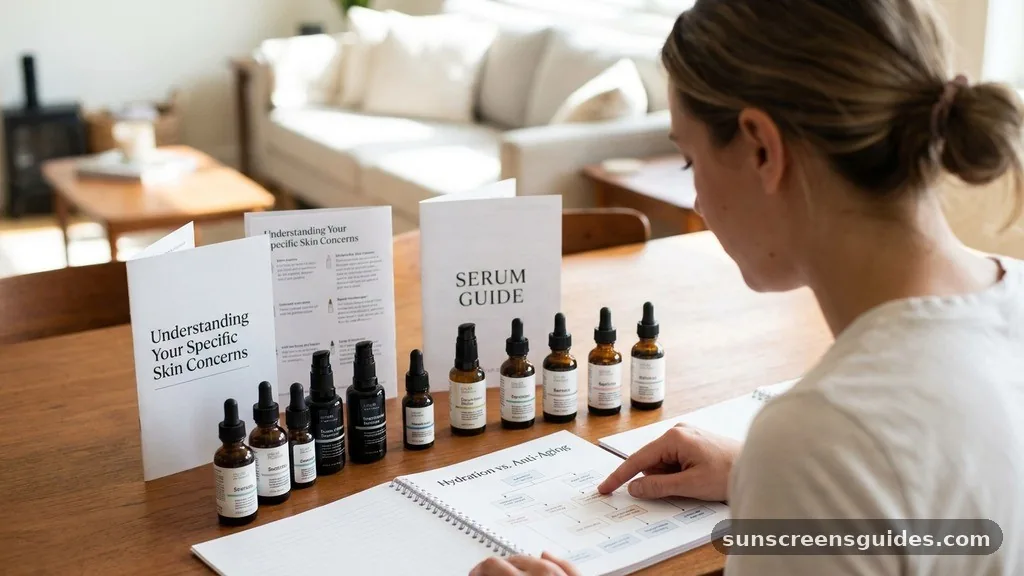
The first step in knowing how to choose serum for face applications is pinpointing exactly what you want to fix. Your skin is a dynamic organ that changes based on age, environment, and hormonal fluctuations, so your needs today might look different than they did six months ago. Before browsing shelves, take a moment to observe your skin in natural light.
Are you struggling with persistent breakouts, or is it more about the subtle loss of elasticity around your eyes? Categorizing these issues allows you to filter through thousands of products to find the ones that contain the specific active ingredients required for your situation.
Focusing on one or two main goals prevents you from over-treating your face, which often leads to irritation. For instance, if your primary concern is hyperpigmentation, you should look for brightening agents that inhibit melanin production rather than products focused on physical exfoliation.
If you are dealing with redness, your priority shifts toward calming agents that fortify the skin barrier. By narrowing your search to address these root causes, you stop wasting money on “all-in-one” bottles that lack the concentration needed to make a real, visible difference in your daily skincare journey.
Matching Active Ingredients to Your Needs
Once you have identified your goals, the next phase of choosing the right serum involves understanding what is inside the bottle. Not all serums are created equal, and the molecular weight of the ingredients determines how deeply they penetrate the skin. Vitamin C is a staple for those seeking a radiant glow and protection against environmental stressors, while hyaluronic acid acts as a powerful humectant, pulling moisture into the skin to create a plump, hydrated appearance. For those struggling with acne or clogged pores, salicylic acid remains the gold standard for clearing debris from deep within the follicles.
It is helpful to view these ingredients as tools in a kit rather than magical cures. Using the wrong tool can cause more harm than good; for example, applying strong retinol to an already compromised or inflamed barrier will likely cause peeling and sensitivity.
If you are a beginner, look for dermatologist-recommended brands that prioritize stable formulations over trendy, harsh additives. Below is a simple breakdown of how common ingredients align with typical skin needs:
| Ingredient | Primary Benefit | Best For |
|---|---|---|
| Vitamin C | Brightening & Antioxidant | Dullness & Sun Damage |
| Niacinamide | Soothing & Oil Control | Redness & Large Pores |
| Retinol | Cell Turnover | Anti-aging & Texture |
| Peptide | Firming & Repair | Loss of Elasticity |
Addressing Common Topical Gaps
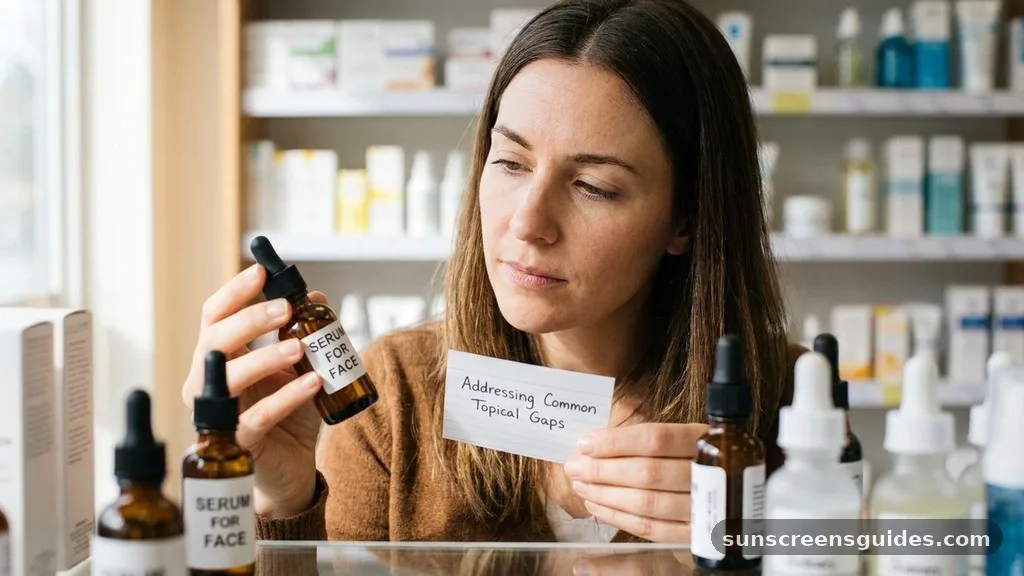
Many people struggle with the concept of serum layering and whether they are using too many products at once. A common gap in knowledge is the order of application; serums should always be applied after cleansing and toning but before your heavier moisturizer.
Because they are lightweight and formulated with smaller molecules, they need to reach the skin surface first to be effective. If you apply a thick cream before your serum, the active ingredients will likely sit on top of the cream rather than soaking into the skin where they can perform their intended function.
Another gap is the fear of mixing incompatible ingredients. While you don’t need a chemistry degree to learn how to choose serum for face, you should be aware of basic conflicts. For example, using high-strength chemical exfoliants like salicylic acid at the exact same time as potent retinol can lead to severe irritation.
Instead, try alternating these ingredients—using one in the morning and the other in the evening, or on different nights entirely. This “cycling” approach ensures your skin gets the benefits of both without overwhelming its natural healing processes.
Checking for Skin Compatibility and Texture
The physical texture of a product matters just as much as its ingredients. If a serum feels sticky, pills under your makeup, or leaves a greasy residue, you are unlikely to use it consistently, which renders the product useless. When evaluating how to choose serum for face products, always check the label for non-comedogenic certification, especially if you are prone to breakouts.
This ensures that the formula won’t clog your pores, which is essential for maintaining a clear complexion. Furthermore, consider the climate you live in; a heavy, oil-based serum might be perfect for a dry winter in the mountains but feel suffocating during a humid summer in the city.
Consistency is the most vital part of any skincare routine, so finding a product that feels comfortable on your face is non-negotiable. Don’t be afraid to request samples or buy travel-sized versions before committing to a full-sized bottle.
Many people find that a thinner, water-based serum works best under daily SPF, while a slightly thicker, oil-infused serum is better suited for night-time repair. By prioritizing your own comfort and the actual feel of the product on your skin, you create a sustainable habit that leads to long-term improvements rather than short-lived experiments.
Frequently Asked Questions
What is the most recommended serum for face?
Dermatologists often recommend hyaluronic acid for hydration or vitamin C for general skin health and brightness.
How do I know what face serum to use?
Observe your main concerns, such as dryness, acne, or aging, and choose a serum targeting those specific issues.
Which two serums cannot be used together?
Avoid using strong retinol and chemical exfoliants like salicylic acid at the exact same time to prevent irritation.
Do I need a serum and a moisturizer?
Yes, serums treat specific concerns, while moisturizers seal in hydration and protect the overall skin barrier function.
Can I use serum every single day?
Most serums are designed for daily use, but start slowly with active ingredients to ensure your skin tolerates them.
Should I apply serum on damp or dry skin?
Applying most serums, especially those with hyaluronic acid, to slightly damp skin helps lock in extra moisture effectively.
Is it better to use serum at night?
Many treatments, particularly retinol or repair-focused formulas, work best at night to support natural skin cell regeneration.
Incorporating a serum into your regimen is a transformative step that bridges the gap between basic cleansing and advanced dermatological care. By focusing on your specific skin type and the active ingredients that address your unique needs, you can achieve a healthy, balanced, and radiant complexion. Remember that patience is essential; most ingredients require at least four to six weeks of consistent use to show visible results.
Start by introducing one new product at a time to see how your skin reacts, and don’t hesitate to adjust your routine as the seasons change. Your skin is always evolving, and learning how to choose serum for face products that adapt to those changes will serve you well for years to come. Take a deep breath, keep it simple, and enjoy the process of nourishing your face.