

Many people worry that does tinted sunscreen cause acne when they switch to a daily SPF routine, especially if they have sensitive or congested skin. It is a valid concern, as the wrong product can turn a protective habit into a cycle of frustration.
Whether your skin is prone to breakouts or you simply want to maintain a clear complexion, understanding how these formulas interact with your pores is essential. By looking closely at the ingredients and the way your skin reacts to pigments, you can find a product that shields you from UV rays without triggering unwanted blemishes.
Why Some Sunscreens Trigger Breakouts

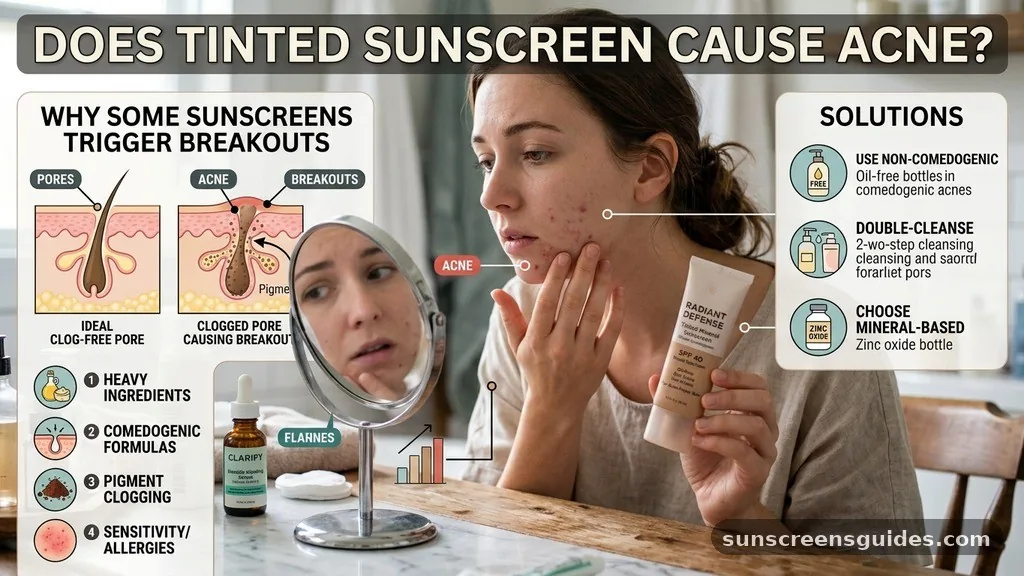
Finding out that does tinted sunscreen cause acne often leads users to investigate the underlying chemistry of their skincare. Not all sunscreens are created equal, and the culprit behind a sudden breakout is frequently hidden in the base ingredients rather than the pigment itself. If a formula is too heavy or contains specific emollients, it can trap dead skin cells and excess oil inside the follicle.
When you apply a thick, occlusive product, you may be creating an environment where bacteria thrive. This is particularly problematic for those with acne-prone skin, as their follicles are already sensitive to inflammation. If you notice small, red bumps or whiteheads appearing shortly after starting a new product, the base of the sunscreen is likely the primary suspect.
The Role of Iron Oxides and Pigments
You might wonder if the tinting agents themselves are to blame for congestion. Iron oxides, which are the minerals used to provide color and blue-light protection in these products, are generally considered inert and safe for the skin. They are insoluble pigments, meaning they sit on the surface of the skin rather than penetrating the pores.
In fact, iron oxides can be beneficial because they help reflect visible light, which is known to exacerbate hyperpigmentation and melasma. They do not typically possess a comedogenicity rating that would lead to acne.
If you are experiencing breakouts, the pigment is rarely the offender. Instead, look toward the binders, oils, and waxes used to keep that pigment suspended in the formula.
Identifying Non-Comedogenic Formulas
To minimize the risk of irritation, look for the term non-comedogenic on your product packaging. This label indicates that the manufacturer has formulated the product to avoid pore-clogging ingredients. While this term is not strictly regulated by every agency, reputable brands perform dermatological testing to ensure their products do not exacerbate congestion.
For those with oily skin or active breakouts, an oil-free formula is usually the safest bet. These products use lightweight silicone or water-based bases that evaporate or dry down quickly, leaving a protective film without the heavy, greasy residue that often clogs pores. Always check the ingredient list for heavy oils like coconut oil, algae extract, or cocoa butter, as these are common triggers.
Mineral Sunscreen vs. Chemical Filters
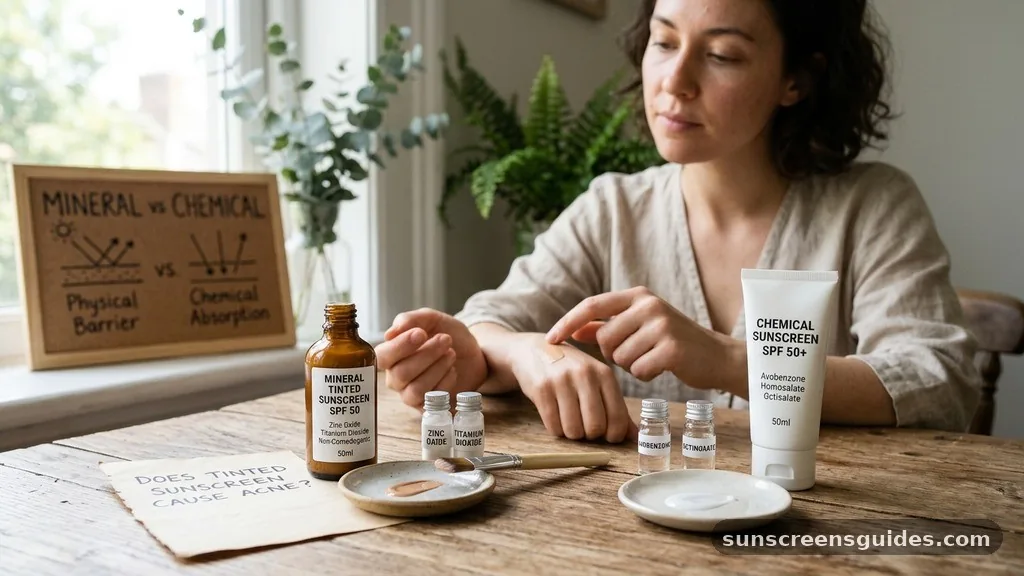
A common debate involves choosing between mineral sunscreen and chemical filters. Mineral options, which utilize zinc oxide or titanium dioxide, are physical blockers.
They sit on top of the skin and reflect UV rays. Because they are inorganic, they are often less likely to cause allergic reactions or hormonal disruptions, making them a popular choice for sensitive complexions.
Chemical filters, on the other hand, absorb into the top layer of the skin and convert UV rays into heat. While modern chemical filters are sophisticated and lightweight, some people find that the chemical compounds themselves can cause irritation or contact dermatitis. If you have acne-prone skin, a mineral-based product might feel cleaner and less likely to provoke a reaction.
| Feature | Mineral Sunscreen | Chemical Sunscreen |
|---|---|---|
| Primary Ingredients | Zinc Oxide, Titanium Dioxide | Avobenzone, Octisalate, etc. |
| Mechanism | Reflects UV light | Absorbs UV light |
| Pore Clogging Potential | Generally low | Variable based on base oils |
| Best For | Sensitive/Acne-prone skin | Daily wear/No white cast |
Addressing Topical Gaps: Double Cleansing and Residue
A major reason users believe does tinted sunscreen cause acne is that they struggle to remove the product properly at the end of the day. Tinted sunscreens contain pigments that are designed to be long-wearing and water-resistant. If you use a simple foaming cleanser, you might be leaving behind a layer of sunscreen residue that sits in your pores all night.
This lingering residue can lead to a compromised skin barrier and eventual breakouts. To effectively clean your skin, consider these steps:
- Use an oil-based cleanser or micellar water first to break down the pigment and sunscreen filters.
- Follow up with a gentle, water-based cleanser to remove any remaining debris.
- Ensure your second cleanser is fragrance-free to avoid unnecessary inflammation.
- Use a clean washcloth or muslin cloth to ensure no product is left around the hairline or jawline.
By adopting a double-cleansing routine, you remove the physical particles of the tint and the chemical filters, giving your skin a fresh start every evening.
How Sebum Production Influences Your Choice
Your natural sebum production dictates how your skin handles different types of cosmetic layers. If you have an overactive oil flow, your skin is already prone to holding onto dirt and debris. Adding a heavy, creamy tinted sunscreen to this mix can act as a “glue,” locking in sebum and debris that would otherwise wash away.
If you struggle with excess oil, look for products labeled as “mattifying” or “satin finish.” These products often contain silica or volcanic powders that help absorb oil throughout the day. This keeps your skin looking fresh while preventing the product from migrating into your pores and causing congestion.
Evaluating Breakout Triggers in Your Routine
When you suspect your sunscreen is causing issues, you must look at your entire routine. Sometimes, a product isn’t the sole breakout trigger but rather the final straw. If you are using a heavy moisturizer underneath your sunscreen, the combination of the two could be too much for your skin to handle.
Consider these factors when assessing your products:
- Layering: Are you applying too many occlusive products simultaneously?
- Storage: Is your sunscreen expired? Old products can change texture and become irritating.
- Application: Are you using dirty brushes or sponges to apply your tinted SPF?
- Environment: Is your skin reacting to humidity or sweat trapped under the sunscreen?
By simplifying your morning routine, you can isolate which product is causing the issue. If you remove the sunscreen and your skin clears up, you have found your answer.
Conclusion
Ultimately, the question of does tinted sunscreen cause acne is personal. While the pigments themselves are rarely the culprit, the base ingredients in many formulations can certainly contribute to clogged pores and breakouts. By choosing non-comedogenic, oil-free formulas and committing to a thorough double-cleansing routine, you can enjoy the benefits of sun protection without compromising your skin health.
Always pay attention to how your skin feels after application; if it feels suffocated or itchy, that is a clear sign to switch to a lighter, mineral-based alternative. Protecting your skin from UV damage is vital, but so is maintaining a healthy, clear complexion. Explore different textures and formulations, and you will eventually find the perfect match that works for your unique needs.
FAQ
Does tinted sunscreen cause acne for everyone?
No, it only causes acne if the specific formula contains pore-clogging ingredients incompatible with your skin type.
Are iron oxides in sunscreen bad for acne?
No, iron oxides are inert pigments that do not clog pores and actually help protect against hyperpigmentation.
Should I choose mineral or chemical sunscreen for acne?
Mineral sunscreens containing zinc oxide are often better tolerated by acne-prone skin due to their simple composition.
How can I tell if my sunscreen is clogging my pores?
Watch for small, non-inflamed whiteheads or bumps that appear in clusters shortly after using a new product.
Is a fragrance-free sunscreen better for acne?
Yes, fragrance is a common irritant that can trigger inflammation and worsen existing acne in sensitive individuals.
Do I really need to double cleanse my sunscreen off?
Yes, double cleansing is essential to effectively remove water-resistant pigments and filters that standard cleansers miss.
Can wearing sunscreen make my acne scars worse?
No, using sunscreen actually prevents UV damage, which is crucial for preventing acne scars from darkening further.