
Finding a half-empty bottle of lotion in your beach bag is a common occurrence, but wondering how long is sunscreen good for after the expiration date is a vital health concern. While it might seem like a minor detail, the dermatological efficacy of your product is not guaranteed once that date has passed.
Sunscreens are formulated to provide a specific level of skin barrier protection, and over time, the chemistry inside the tube begins to break down. We will explore exactly why those dates exist and what happens to the ingredients when they are past their prime.
Why Sunscreen Expiration Matters for Skin Health
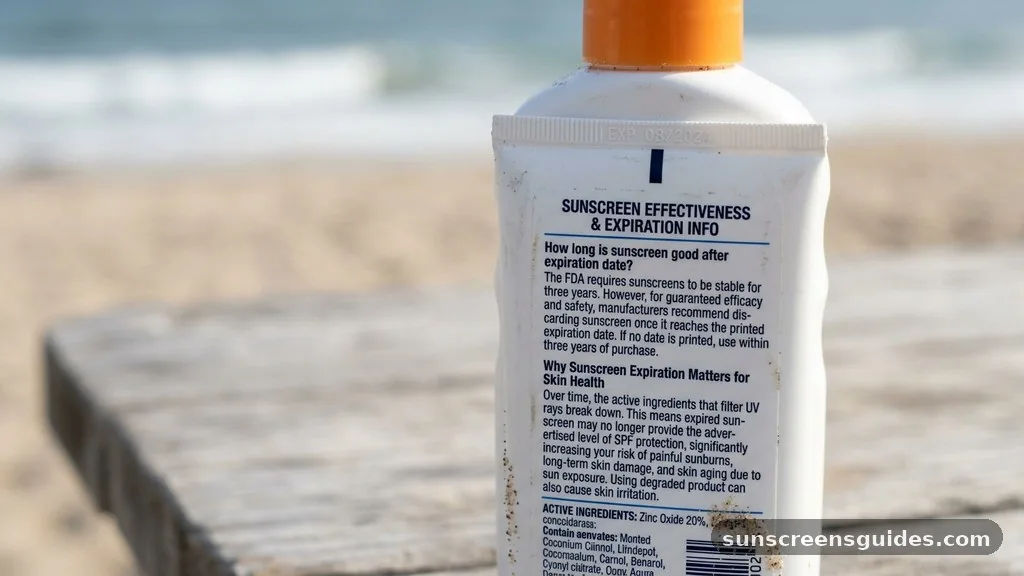
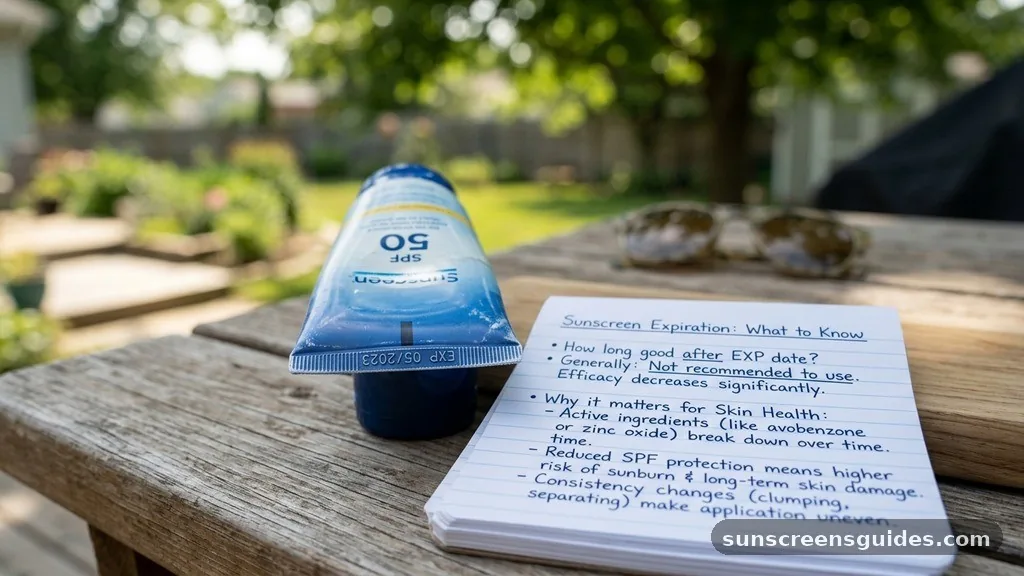
Sunscreen is technically classified as an over-the-counter drug, meaning it must meet strict FDA regulations regarding its stability and performance. When you ask how long is sunscreen good for after the expiration date, the answer is usually linked to the chemical stability of the active ingredients.
Manufacturers conduct rigorous testing to ensure that the product remains effective until the printed date, assuming it has been stored properly. Once that timeframe elapses, the lab can no longer vouch for the product’s ability to shield you from harmful radiation.
The primary function of sunscreen is to block or absorb UVA and UVB filters that cause cellular damage. As the formulation ages, these filters can degrade, lose their integrity, or undergo oxidation.
When this happens, the SPF degradation is often uneven, meaning you might still get some coverage in patches while leaving other areas of your skin completely exposed to UV damage. Relying on an expired product is essentially a gamble with your health, as you may believe you are protected while your skin is absorbing dangerous rays.
Chemical vs Physical Sunscreen Stability
Understanding the difference between chemical vs physical sunscreen is essential when assessing whether a product remains viable. Mineral formulas, which often rely on zinc oxide or titanium dioxide, are generally considered more stable than their chemical counterparts.
These ingredients are inorganic compounds that do not break down as easily as complex organic molecules. However, even in mineral-based lotions, the other components—such as preservatives and emulsifiers—can still fail over time.
Chemical sunscreens rely on organic compounds that transform UV radiation into heat. These molecules are inherently more prone to changes in photostability.
Exposure to light and fluctuating temperatures can accelerate the breakdown of these chemicals, rendering them ineffective long before the bottle is empty. If you notice a change in the texture, color, or scent of your chemical sunscreen, it is a clear sign that the formula has compromised its protective abilities.
Understanding the Period After Opening
Many consumers mistakenly believe that expiration dates are the only indicator of shelf life. However, you should also look for the PAO symbol—the small icon on the back of the bottle that looks like an open jar with a number inside.
This period after opening (PAO) represents the number of months the product remains safe and effective after the seal is broken. If a bottle says “12M,” it means you should ideally finish or discard it within twelve months of first use.
| Indicator | What It Means | Reliability |
|---|---|---|
| Expiration Date | Manufacturer’s guaranteed stability limit. | High (if stored correctly) |
| PAO Symbol | Recommended usage window after opening. | Moderate (depends on hygiene) |
| Sensory Changes | Separation, odor, or color shifts. | High (immediate discard) |
The Impact of Storage on Product Life
If you are still wondering how long is sunscreen good for after the expiration date, consider where you have been keeping your bottles. Heat exposure is the fastest way to ruin a sunscreen’s chemistry. Leaving a bottle in a hot car, on a sunny windowsill, or near a heater can cause the emulsion to separate and the active ingredients to degrade prematurely. Even if the product is technically within its expiration window, high temperatures can effectively kill its protective power.
To maximize the shelf life of your sunscreen, you should store it in a cool, dark, and dry environment. A bathroom cabinet is usually a better spot than a beach bag that sits in the sun all day.
Keeping the cap tightly closed also minimizes exposure to air, which helps prevent the oxidation of ingredients. If you notice the lotion becoming watery or clumpy, the internal structure has likely failed, and it is time to replace it.
Identifying Signs of Degradation

Recognizing when your sunscreen has gone bad is a skill every sun-conscious person should develop. You do not always need a lab test to know that a product is past its prime. Keep an eye out for these red flags during your regular skincare routine:
- Changes in consistency: A product that has turned into a thin, watery liquid or has become excessively thick and grainy.
- Discoloration: Yellowing or darkening of a formula that was originally white or clear.
- Foul odors: Any change in the scent, especially if it smells sour, rancid, or chemically off.
- Separation: If the oil and water phases of the lotion no longer mix even after vigorous shaking.
- Packaging damage: Cracks in the tube or a compromised seal that allows bacteria to enter.
Addressing Common Topical Gaps
One common gap in existing advice is the assumption that all sunscreens degrade at the same rate regardless of their base. Many people assume that spray sunscreens are more stable than creams, but the pressurized propellants can actually interfere with the formulation over time.
Additionally, there is often confusion regarding “natural” or “organic” sunscreens. These products often contain fewer preservatives, which means they may actually have a shorter shelf life than conventional options, even if the label claims they are safer.
Another overlooked point is the role of contamination. Every time you touch the tip of a lotion bottle or dip your fingers into a jar, you introduce bacteria and skin oils into the product. This can degrade the preservatives, leading to the growth of mold or yeast.
Even if the SPF degradation hasn’t peaked yet, the product may become a vehicle for skin irritation or breakouts. If you have been using the same bottle for an entire season and it has been exposed to sand, sweat, and dirty hands, the risk of contamination is significant.
When to Toss Your Sunscreen
If you are staring at a bottle and genuinely cannot remember when you bought it, the safest approach is to throw it away. The cost of a new bottle of sunscreen is negligible compared to the medical costs and long-term health risks associated with skin cancer or severe sunburns.
If the product has reached its expiration date, its dermatological efficacy is effectively null and void. Do not try to “use it up” on cloudy days or for quick errands, as UV radiation is present year-round regardless of the weather.
Consider the surface area of your body that requires protection. If you are applying an expired product, you are leaving your skin vulnerable to cumulative UV damage.
This damage is silent and invisible, building up over years to cause premature aging and more serious health issues. Treat your sunscreen as a perishable item, much like food or medicine, and prioritize fresh, potent protection for your skin.
Maintaining Consistent Sun Protection
Consistency is the cornerstone of effective sun protection. Rather than worrying about how long is sunscreen good for after the expiration date, focus on building a habit of regular replacement.
Buying smaller tubes that you can reasonably finish in one season is a great strategy to avoid having half-empty, expired bottles sitting in your cupboard. Label your bottles with the date you opened them so you can keep track of the period after opening.
Regularly auditing your skincare stash ensures that you are only using products that will actually perform as intended. When you prioritize high-quality, fresh sunscreen, you are investing in the long-term health and appearance of your skin.
If you find yourself frequently tossing out expired bottles, try to adjust your purchasing habits to match your actual usage levels. By staying organized and mindful of storage, you can ensure that you are always protected when it matters most.
Ensuring Lasting Protection
Ultimately, how long is sunscreen good for after the expiration date is a question of risk management. While a product might not turn toxic the day after it expires, its ability to provide the labeled level of skin barrier protection diminishes rapidly.
The chemical breakdown of UVA and UVB filters means you are likely getting far less protection than you think. Given the serious consequences of UV exposure, it is always better to err on the side of caution and replace your products regularly.
Maintaining fresh supplies and proper storage habits will go a long way in ensuring your skin remains healthy. If you have questions about specific product brands or types, consult your dermatologist for personalized advice on what works best for your skin type and lifestyle.
Keep your skin protected, stay vigilant about your product shelf life, and enjoy the sun safely. We encourage you to check your bathroom cabinet today and clear out any items that have seen better days.
FAQ
What happens if you use sunscreen after it expires?
The active ingredients break down, providing significantly less protection, which increases your risk of sunburn and damage.
Can I use 3-year-old sunscreen?
No, it is highly likely that the chemical filters have degraded, making the product ineffective and potentially irritating.
How long can you use sunscreen after the expiration date?
You should not use it at all; once the expiration date passes, the manufacturer’s efficacy guarantee is invalid.
Can I use sunscreen after 12 months of opening?
Only if the PAO symbol on the bottle indicates it is safe; otherwise, discard it after twelve months.
Does heat exposure ruin sunscreen faster?
Yes, high temperatures accelerate the degradation of chemical ingredients and can cause the product’s emulsion to separate completely.
How do I know if my sunscreen is still good?
Check the expiration date and look for changes in texture, color, or smell, which indicate the formula failed.
Is mineral sunscreen more stable than chemical?
Generally, yes, because zinc oxide and titanium dioxide are inorganic and less prone to chemical degradation over time.