

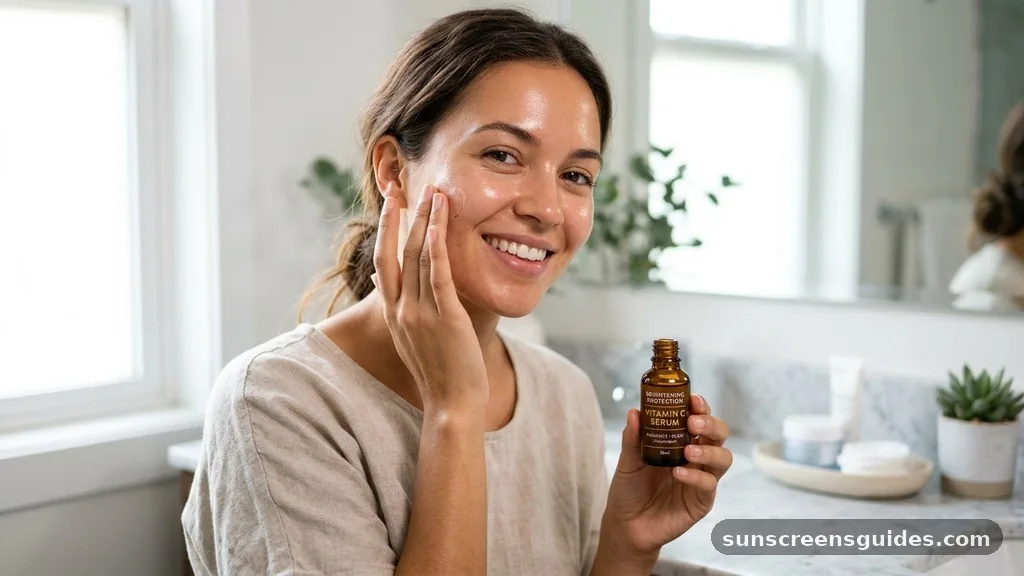
Understanding exactly what does serum do for your face is the first step toward building a truly effective skincare routine. Unlike standard creams or lotions, these lightweight formulas are designed to deliver a high concentration of powerful ingredients directly into your skin.
Because they often have a smaller molecular weight, they penetrate deeper than traditional moisturizers, making them essential for targeting specific concerns like dark spots, fine lines, or dehydration. If you have ever wondered why your current products aren’t giving you the results you want, the missing piece of your puzzle is likely a targeted treatment that works hard behind the scenes to change your complexion.
How Serums Function Within Your Skin
Serums work by utilizing a thin, viscous, or water-based consistency to ensure rapid epidermal absorption. Because they lack the heavy occlusives found in a thick facial moisturizer, they act as a delivery vehicle for potent active ingredients. These ingredients are suspended in a base that allows them to bypass the outer layers of the skin, reaching deeper where they can influence cellular activity more effectively.
Think of your serum as the specialized workhorse of your routine. While your cleanser removes debris and your moisturizer locks in hydration, your serum addresses the “why” behind your skin issues. Whether you are dealing with dullness, breakouts, or signs of aging, these products provide the heavy lifting required to see visible, long-term changes in skin texture and tone.
Targeting Specific Concerns with Active Ingredients
The primary reason to incorporate a serum is its ability to deliver concentrated doses of actives. Different serums are formulated to solve different problems, ranging from environmental damage to structural loss.
Brightening and Protection with Vitamin C

Vitamin C is a powerhouse antioxidant that helps neutralize free radicals caused by pollution and UV exposure. When applied as a serum, it works to fade hyperpigmentation and brighten a tired complexion. Regular use creates a protective shield against oxidative stress while slowly improving the overall clarity of your skin.
Hydration and Moisture Retention
If your main goal is plumping and smoothing, look for formulas containing hyaluronic acid. This humectant acts like a sponge, drawing moisture into the skin to prevent transepidermal water loss. By keeping the skin hydrated, it reduces the appearance of fine lines caused by dryness, making the surface look noticeably more supple and refreshed.
Anti-Aging and Cellular Turnover
For those focused on structural improvements, retinol is the gold standard. It speeds up cell turnover and stimulates collagen production, which directly tackles deep wrinkles and loss of elasticity. Because these formulas are potent, they are often best reserved for nighttime use to allow your skin to recover while you sleep.
Soothing and Balancing
Niacinamide is an incredibly versatile ingredient that helps regulate sebum production and calm inflammation. It is often non-comedogenic, making it a fantastic choice for those with oily or acne-prone skin who still need to maintain a healthy skin barrier. It balances the skin’s oil levels without stripping away necessary moisture.
Comparing Serums and Moisturizers
Many people ask if they really need both products. The answer lies in their function. While serums treat, moisturizers protect.
| Feature | Serum | Moisturizer |
|---|---|---|
| Primary Goal | Targeted treatment | Sealing and protection |
| Texture | Thin, watery, or gel-like | Creamy, thicker |
| Absorption | Rapid, deep penetration | Slower, surface-level |
| Active Concentration | High | Low to moderate |
Addressing Common Misconceptions and Gaps
A common question is whether you can skip the facial toner if you use a serum. While toners can help balance your pH levels after cleansing, they are not strictly required if your cleanser is gentle. However, a damp face actually increases the permeability of your skin, meaning applying your serum while your face is still slightly moist from a toner or water can enhance the efficacy of the product.
Another point of confusion is the order of application. Always remember the rule of thinnest to thickest.
Your serum should always go on after cleansing and toning but before your cream or SPF. If you apply a thick lotion first, the smaller molecules of your treatment serum will struggle to penetrate, rendering them much less effective.
The Reality of “Serum Overload”
One common mistake is layering too many products at once. Using three different serums simultaneously can overwhelm your skin barrier and lead to irritation.
It is often better to rotate your products—perhaps a vitamin C serum in the morning and a retinol or hydrating serum at night—rather than trying to do everything at once. Your skin needs simplicity to heal and thrive.
Best Practices for Application
To get the most out of your purchase, follow these simple steps to ensure you are using your products correctly:
- Cleanse your face thoroughly to remove dirt and excess oils.
- Apply a small amount of toner if you choose to use one.
- Dispense 2-3 drops of serum onto your fingertips, not your palm, to avoid wasting product.
- Gently press and pat the serum into your skin rather than rubbing it vigorously.
- Wait at least 60 seconds for the product to absorb fully before applying your moisturizer.
- Always finish with an SPF in the morning, as many active ingredients can increase sun sensitivity.
Why Consistency Matters
Skincare is a marathon, not a sprint. While some products provide an immediate glow, most serums require consistent use over several weeks to show real results. Collagen production and the fading of dark spots take time because they rely on the natural turnover cycle of your skin. If you stop using a product after a week, you aren’t giving your skin the time it needs to adjust and improve.
Understanding Your Skin’s Needs
Before buying a shelf full of bottles, identify the most pressing issue you want to address. If your skin feels tight and looks lackluster, focus on hydration. If you are noticing persistent dark spots from old breakouts, look for brightening agents.
Trying to fix five different issues with five different bottles often leads to frustration and wasted money. Start with one, master its application, and observe how your skin responds over a full month.
Key Takeaways on Skin Treatment
Ultimately, knowing what does serum do for your face allows you to curate a routine that actually delivers results rather than just following trends. By focusing on high-quality ingredients that penetrate deep into the tissue, you can address concerns like dehydration, aging, and uneven tone at the source.
Start with a simple, targeted approach, apply your products on clean, damp skin, and stay consistent with your routine. If you are ever in doubt, consult with a dermatologist to ensure the ingredients you are using are appropriate for your specific skin type and health goals.
Is it good to use face serum daily?
Yes, most serums are designed for daily use to maintain consistent levels of active ingredients in the skin.
How to apply serum correctly?
Pat a few drops onto clean, slightly damp skin and wait for absorption before applying your thicker moisturizer.
Do I need both serum and moisturizer?
Yes, serums treat specific concerns, while moisturizers provide essential hydration and seal the skin barrier against moisture loss.
What are the disadvantages of using serum?
Potential downsides include high costs, risk of irritation from potent actives, and the need for careful layering steps.
Can I use multiple serums at once?
It is possible, but limit yourself to two or three to avoid overwhelming your skin and causing unwanted irritation.
Should I apply serum before or after moisturizer?
Always apply your serum first because it has a thinner consistency and needs direct contact to penetrate the skin.
What happens if I stop using serum?
Your skin will likely revert to its previous state as the supply of active, beneficial ingredients is cut off.



