

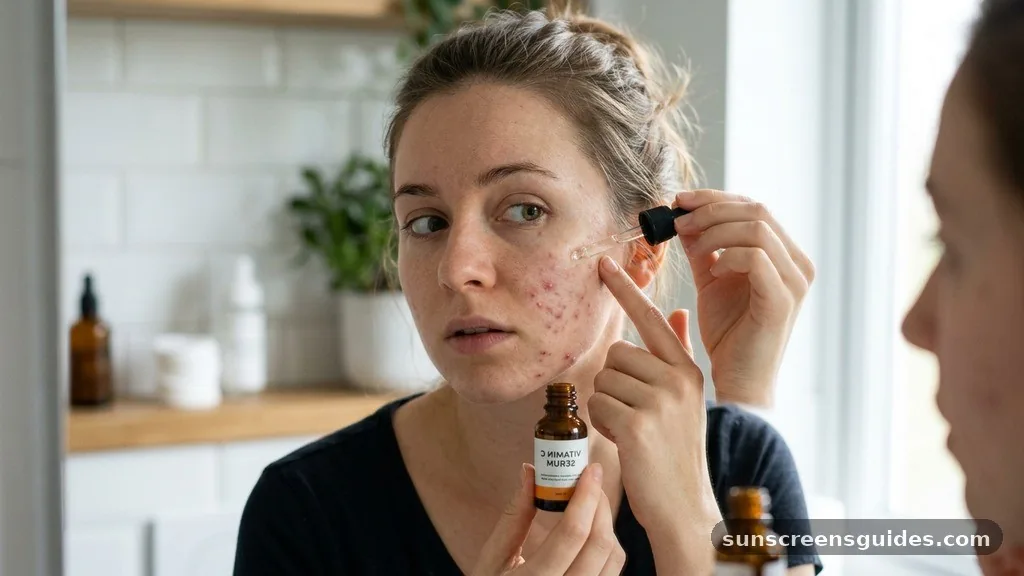
Many people incorporate a topical antioxidant into their morning routine to brighten their complexion, but you might find yourself wondering if can vitamin c serum cause acne when your skin suddenly reacts negatively. It is a common frustration to swap your products for something supposedly beneficial, only to experience unexpected facial breakouts shortly after.
While this powerhouse ingredient is generally celebrated for its ability to fade dark spots and boost collagen, the reality of how your skin processes new formulas is often more complex than marketing claims suggest. Let’s look at the science behind these reactions to help you determine if your serum is actually to blame.
Why Your Skin Might React to Vitamin C
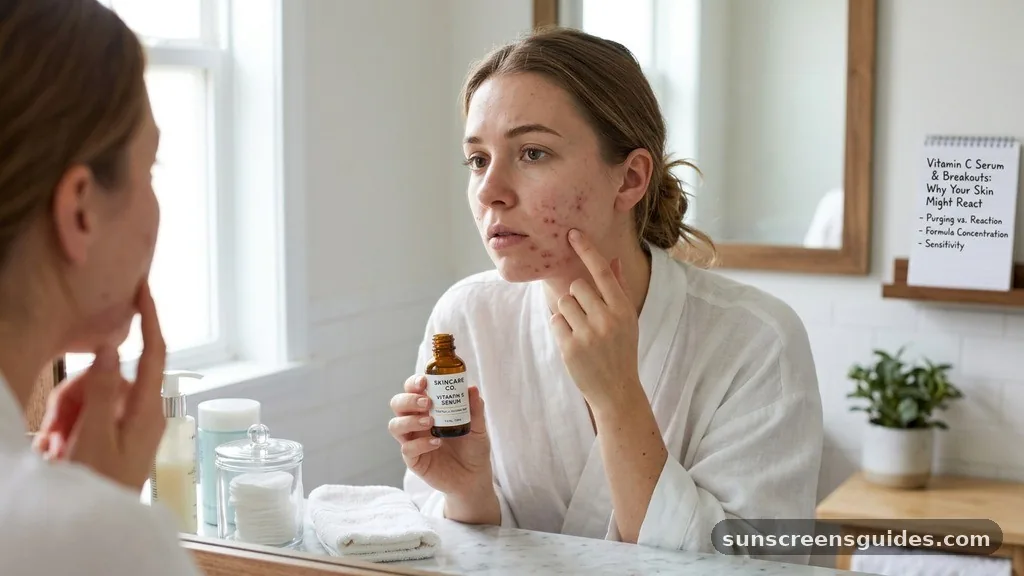
The primary reason you might ask if can vitamin c serum cause acne is that the product itself—not just the active ingredient—might contain comedogenic ingredients. A serum is more than just its star vitamin; it is a chemical cocktail of solvents, preservatives, and moisturizers designed to keep the formula stable. If any of these secondary components have a high comedogenicity rating, they can easily trigger clogged pores regardless of how effective the vitamin C itself is.
Beyond the base ingredients, the pH level of many vitamin C products is significantly acidic. Pure L-ascorbic acid requires a low pH to penetrate the skin effectively, typically sitting around 3.5 or lower.
For individuals with a compromised skin barrier, this acidity can cause immediate stinging, redness, or a localized dermatological reaction that mimics an acne breakout. If your skin feels tight or inflamed after application, it is likely irritation rather than true acne.
Distinguishing Between Purging and Breakouts
A major source of confusion for skincare enthusiasts is the difference between a real reaction and skin purging. Purging occurs when an active ingredient accelerates cell turnover, forcing micro-comedones that were already forming under the surface to reach the top all at once. Because vitamin C isn’t a traditional exfoliating acid like salicylic or glycolic acid, it doesn’t typically cause true purging in the same way retinoids do.
If you are breaking out in areas where you don’t usually get pimples, or if the acne persists for more than a few weeks, it is likely a negative reaction to the product rather than a transitional phase. True inflammatory acne caused by a reaction often presents as small, red, itchy bumps rather than the deep, painful cysts associated with hormonal or bacterial acne. If you suspect your serum is the culprit, the most effective test is to stop usage for two weeks and observe how your skin settles.
The Role of Oxidized Vitamin C
One often overlooked factor when users investigate can vitamin c serum cause acne is the state of the product itself. Vitamin C is notoriously unstable and reacts easily to light, heat, and oxygen.
When a formula turns a dark amber or brownish color, it has undergone oxidation. Applying oxidized vitamin C to your face can be problematic because the chemical degradation can turn the serum into an irritant.
Oxidized compounds are known to cause oxidative stress on the skin rather than providing the protective benefits they promise. This stress can lead to inflammation, which in turn makes your pores more susceptible to clogging and bacterial growth. Always check the color and smell of your serum before application; if it has changed from its original clear or light straw color, it belongs in the trash, not on your face.
Checking for Comedogenic Ingredients
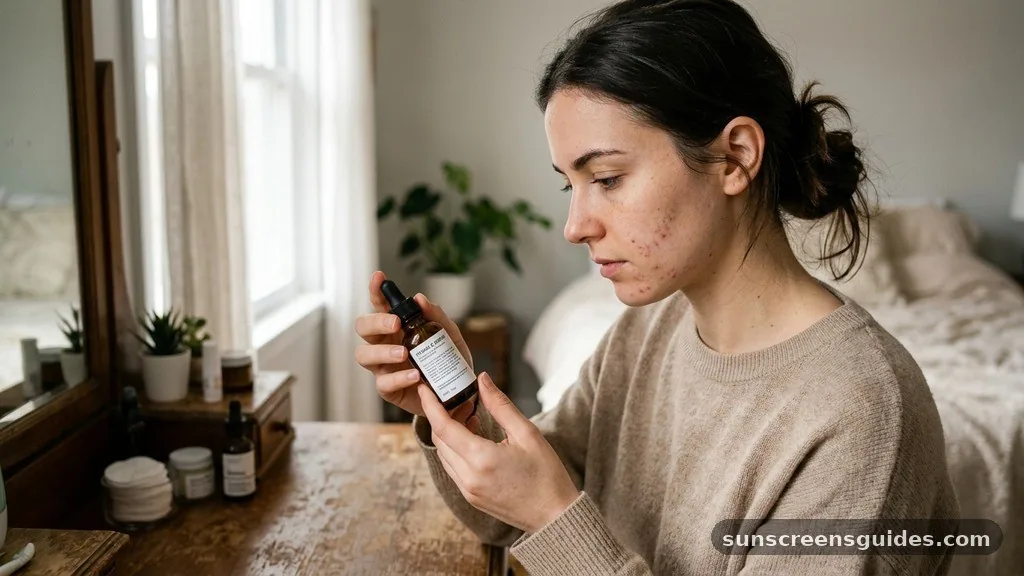
Not all serums are created equal, and the vehicle carrying the vitamin C often matters more than the vitamin itself. Many brands use oils or heavy silicones to help the product glide across the skin, but these can be disastrous for someone with acne-prone skin. You should check your ingredient label for known pore-cloggers.
Common Ingredients That May Trigger Acne
* Coconut oil and its derivatives
* Isopropyl myristate or isopropyl palmitate
* Algae extract
* Sodium chloride (often used as a thickener)
* Certain high-viscosity synthetic waxes
If your serum lists any of these in the top five ingredients, it might be the reason for your congestion. Switching to a water-based formula or one that specifically highlights non-comedogenic testing can make a massive difference in your skin’s tolerance.
Comparing Serum Types and Their Impact
Different forms of vitamin C behave differently on the skin. While L-ascorbic acid is the “gold standard” for potency, it is also the most likely to cause irritation potential. If your skin is sensitive, you might fare better with more gentle, stabilized vitamin C derivatives.
| Ingredient Type | Acne Risk Level | Best For |
|---|---|---|
| L-Ascorbic Acid | Moderate | Resilient skin types |
| Sodium Ascorbyl Phosphate | Low | Acne-prone skin |
| Tetrahexyldecyl Ascorbate | Low | Sensitive or dry skin |
Sodium Ascorbyl Phosphate is particularly notable because it has been shown in some studies to have antimicrobial properties that may actually help reduce acne bacteria. If you have been struggling with breakouts, looking for this specific derivative in your next serum purchase could be a strategic move.
Addressing Topical Gaps: Why Some Formulas Fail
A common frustration is why one vitamin C serum causes breakouts while another does not, even if they have similar ingredient lists. The gap often lies in the skincare formulation technology used to deliver the active ingredient. Some brands use encapsulated delivery systems that release the vitamin C slowly over time, minimizing the immediate shock to the skin’s surface.
Other brands might use excessive amounts of fragrance or essential oils to mask the metallic scent of pure vitamin C. These additives are common allergens and irritants that cause inflammation, which often manifests as a breakout.
Furthermore, the concentration of the vitamin C itself matters; using a 20% concentration when your skin is only accustomed to 5% can overwhelm the skin barrier, leading to a compromised state that invites bacteria. If you are starting fresh, it is always best to begin with a lower percentage to see how your skin reacts before moving to higher, more concentrated formulas.
How to Safely Introduce Vitamin C
If you are determined to use a serum but fear the breakout risk, follow a slow integration process. Start by applying the product every other day, or even just three times a week, to allow your skin to adjust. Apply it to slightly damp skin if you find the pure formula too drying or irritating, as this can buffer the acidity.
Always wear sunscreen during the day when using any vitamin-C-based product. While the serum acts as an antioxidant shield, it can also make the skin slightly more reactive if it isn’t protected from UV rays. By pairing your serum with a quality, oil-free moisturizer, you create a buffer that prevents the active ingredients from causing excessive dryness or irritation, which are the precursors to many breakouts.
FAQ
Is vitamin C serum safe for acne-prone skin?
Yes, it is generally safe, but choosing the right derivative, such as Sodium Ascorbyl Phosphate, is key.
How long does purging from vitamin C last?
Vitamin C rarely causes true purging; if breakouts persist beyond two weeks, it is likely a bad reaction.
Why do I get pimples after using a new serum?
You are likely reacting to comedogenic base ingredients, high acidity, or fragrances within the specific product formula used.
Can vitamin C serum cause whiteheads?
Yes, if the serum contains pore-clogging oils or silicones, it can lead to the development of surface-level whiteheads.
Who should avoid using vitamin C serum?
Those with extremely reactive, rosacea-prone skin or a severely damaged skin barrier should avoid high-concentration L-ascorbic acid formulas.
Does oral vitamin C cause acne?
There is no significant evidence that oral vitamin C supplements cause acne; it is usually the topical application involved.
What should I do if my serum causes breakouts?
Stop using the product immediately, simplify your routine to basic cleansing and moisturizing, and wait for skin recovery.
Final Thoughts on Serum-Induced Breakouts
Determining if can vitamin c serum cause acne is a matter of looking beyond the active ingredient to the entire formulation. While the vitamin itself is a powerful tool for skin health, your reaction is likely tied to the base ingredients, the product’s pH, or your own skin’s sensitivity levels. By selecting stable derivatives, avoiding known pore-cloggers, and introducing the product slowly, you can reap the benefits of a brighter, more even complexion without the unwanted side effects.
If you find that your current bottle continues to cause issues, do not be afraid to switch to a different brand or a gentler formula. Your skincare routine should support your skin, not sabotage it, so listen to the signals your face is sending and adjust accordingly.



