

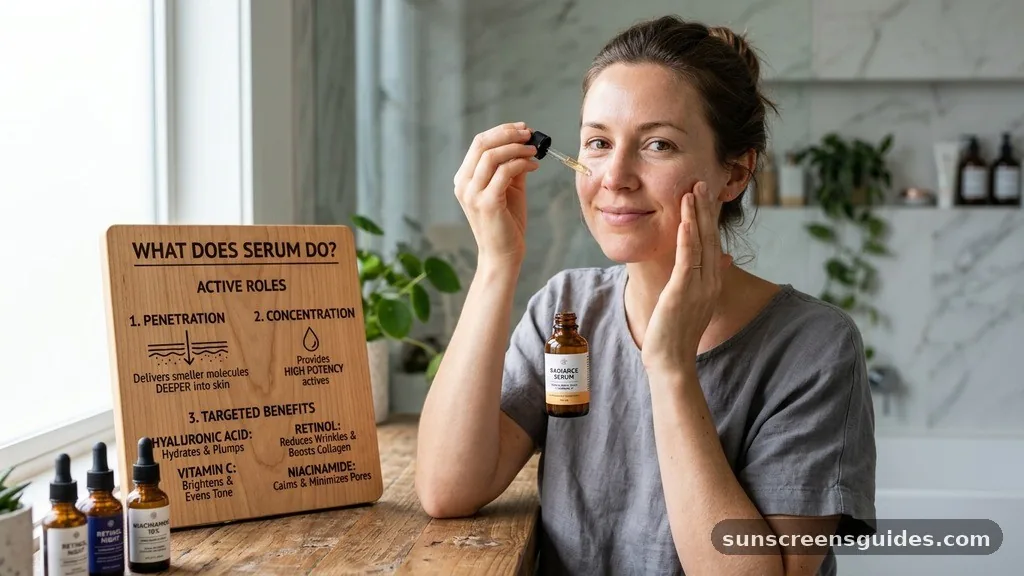
When you start digging into the details of what serum do for your complexion, it quickly becomes clear that these concentrated liquids serve a purpose that standard creams often miss. Think of a serum as a high-performance delivery system for your skincare routine.
Because these products typically have a lower molecular weight than heavy lotions, they are designed to penetrate deeper into the skin’s surface. This allows them to deposit active ingredients precisely where they can be most effective, rather than just sitting on the surface of your face.
Understanding the specific science behind these formulas helps you decide which ones belong in your cabinet. Whether you are battling dullness, fine lines, or persistent dryness, knowing the mechanics behind the bottle takes the guesswork out of your morning or evening prep. You aren’t just applying a product; you are intentionally treating your skin to targeted support that addresses your unique concerns.
The Core Function of Face Serum
At the most basic level, a serum acts as a potent dose of nutrients delivered via topical application. Unlike moisturizers, which are primarily formulated to create a seal over the skin to prevent moisture loss, serums are built to solve specific problems. Because they lack the heavy occlusives or emollients found in thicker creams, they can sink in rapidly without leaving a greasy film.
If you have ever wondered what does serum do in terms of layering, the answer lies in its texture. By applying a serum first, you ensure that the most powerful ingredients—like peptides or antioxidants—make direct contact with your skin before you apply a protective barrier. This hierarchy ensures that your skin barrier remains supported while the active components work to improve texture and tone.
Active Ingredients and Their Roles
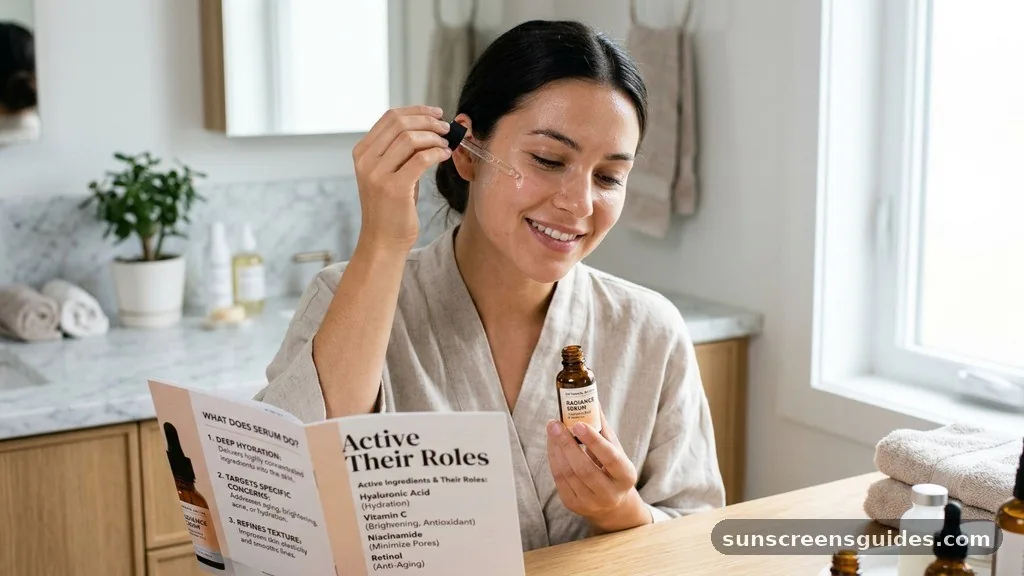
The efficacy of any serum depends entirely on its formulation. Different molecules perform different tasks, so identifying your skin’s needs is the first step toward seeing results.
* Hyaluronic Acid: This molecule acts as a humectant, pulling water into the skin to create a plump, hydrated appearance.
* Vitamin C: A powerhouse for brightening, this antioxidant helps fade dark spots and neutralizes free radicals caused by pollution.
* Retinol: Known for stimulating collagen production, this vitamin A derivative accelerates cell turnover to smooth fine lines.
* Niacinamide: This versatile ingredient helps regulate oil production and strengthens the skin’s defense system against environmental stressors.
How Serums Differ from Moisturizers
Many people struggle to distinguish between the roles of these two essentials. The primary difference is how they interact with your skin’s surface and the depth at which they operate. A moisturizer is generally designed to lock in hydration and protect the outer layer, whereas a serum is designed to penetrate deeper to address underlying issues like hyper-pigmentation or loss of elasticity.
Using them together is not redundant; it is strategic. A moisturizer prevents trans-epidermal water loss, effectively sealing in the serum you just applied. If you skip the serum, you miss the opportunity to treat the skin; if you skip the moisturizer, you might find that your skin feels tight or dehydrated despite the active treatment.
| Feature | Face Serum | Moisturizer |
|---|---|---|
| Primary Goal | Targeted treatment | Hydration and protection |
| Consistency | Thin, watery, or gel-like | Creamy, thick, or lotion-like |
| Absorption | Fast, deep penetration | Slower, surface-level barrier |
| Frequency | Once or twice daily | Daily |
Managing Skin Concerns with Targeted Treatment
If you are dealing with specific issues, a serum is often your best line of defense. Because these liquids contain higher concentrations of potent molecules, they can tackle stubborn concerns faster than a general-purpose cream. For example, if you struggle with uneven skin tone, a targeted serum containing brighteners will interact with your skin cells more effectively than a standard cleanser or lotion ever could.
Combating Environmental Damage
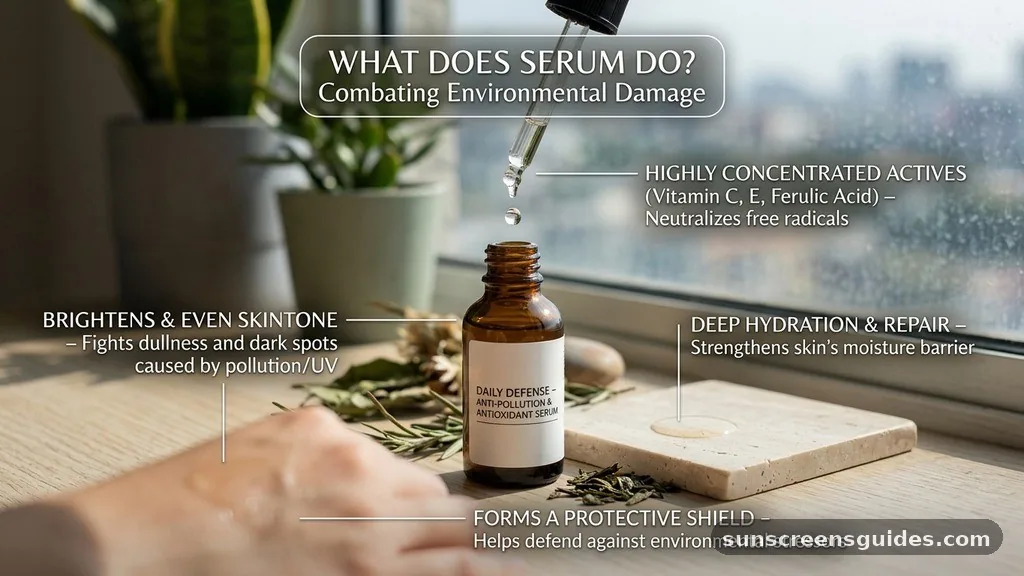
Environmental stressors constantly assault our skin, and this is where antioxidants become vital. By using a serum loaded with protective agents, you provide an extra layer of defense against UV damage and pollution.
While these products are not replacements for SPF, they act as a secondary support system, repairing the damage that inevitably slips through. Consistent use of these formulas helps maintain a brighter, more resilient complexion over time.
The Role of Exfoliation
Some serums focus on chemical exfoliation rather than just hydration or brightening. These contain acids like AHAs or BHAs that gently dissolve the bonds holding dead skin cells to the surface.
By incorporating these into your routine, you help keep your pores clear and your surface texture smooth. This process is generally less abrasive than physical scrubs, making it a safer bet for those who are prone to irritation.
Addressing Common Misconceptions and Gaps
There is a fair amount of confusion regarding whether these products are truly necessary for everyone. One common gap in understanding is the difference between oil-based and water-based formulas.
Some users avoid serums entirely because they fear a comedogenic reaction or breakouts. However, the market has evolved to include lightweight, non-clogging options that are specifically tested to ensure they don’t exacerbate acne.
Another point of confusion is the timing of application. People often ask if they should apply their serum on damp or dry skin.
For humectants like hyaluronic acid, applying to slightly damp skin can actually help the product “lock in” more moisture, leading to a more dewy finish. Understanding these nuances makes a massive difference in how the product performs on your specific skin type.
Serums Beyond Skincare
It is worth noting that the term “serum” is not exclusive to skincare. In the context of biology, blood serum is the clear, yellowish component of blood that remains after clotting factors have been removed.
This fluid is crucial for medical testing because it contains proteins, electrolytes, and antibodies. While this is entirely different from the cosmetic bottles on your vanity, it highlights the term’s root meaning: a concentrated liquid that contains essential life-giving or functional components.
In the world of music production, particularly with the software Synth Serum, the term refers to a wavetable synthesizer. This “serum” does something entirely different—it generates sound waves.
While the intent is vastly different from your facial treatment, the concept of a high-performance, core component remains the same. Whether you are talking about biology, software, or beauty, a serum is almost always the “active” or “essential” part of a larger, more complex system.
Optimising Your Routine
To get the most out of your purchase, you should always apply your products from the thinnest consistency to the thickest. This ensures that the light, fast-absorbing serum doesn’t have to fight its way through a layer of heavy cream.
Start with a clean face, apply your serum, wait a few seconds for it to set, and then finish with your moisturizer and sunscreen. This simple order of operations prevents pilling and ensures that every layer does its job efficiently.
If you are just starting, do not feel pressured to use five different serums at once. Overloading your skin can lead to sensitivity, especially with potent ingredients like retinol or acids.
Pick one primary concern—like hydration or brightening—and stick with that for a few weeks. Consistency is the secret to seeing actual changes in your skin’s health and appearance, as active ingredients need time to influence your skin’s natural processes.
Understanding the Impact of Consistent Application
When you consistently use a high-quality serum, you are essentially feeding your skin the specific tools it needs to function at its best. Over time, you will notice improvements that are difficult to achieve with basic maintenance alone.
By selecting formulas that align with your skin’s chemistry, you enable a more refined, radiant, and resilient complexion. The key is to look at what does serum do for your specific needs, rather than just grabbing whatever is popular or on sale.
Experimenting with different actives allows you to tailor your regimen as the seasons change. In the winter, you might lean into richer, hydrating serums, while in the summer, you might prefer lighter, antioxidant-packed versions.
Taking this proactive approach ensures that your skincare routine remains effective throughout the year. If you have questions about specific ingredients or how to layer your products, consulting a dermatologist is always a smart move to ensure you are getting the best results possible.
Frequently Asked Questions
Is a serum really necessary for a healthy complexion?
While not strictly required, a serum provides targeted care that basic moisturizers cannot offer for specific concerns.
Should I use a face serum every day?
Yes, most serums are designed for daily use, though active acids or retinols may require less frequent application.
What do serums do for the face specifically?
They deliver high concentrations of active ingredients deeper into the skin to address issues like aging and spots.
Do I need both a serum and a moisturizer?
Yes, as they perform different roles; the serum treats the skin, while the moisturizer seals in that treatment.
Can a serum replace my daily moisturizer?
Generally no, because most serums lack the occlusive properties required to prevent water loss throughout the day.
What does serum do for glowing skin?
Serums with vitamin C or chemical exfoliants brighten the complexion by removing dull cells and evening skin tone.
What is the best order to apply my skincare?
Always apply products from the lightest, thinnest consistency to the heaviest, thickest cream for maximum absorption efficiency.



