

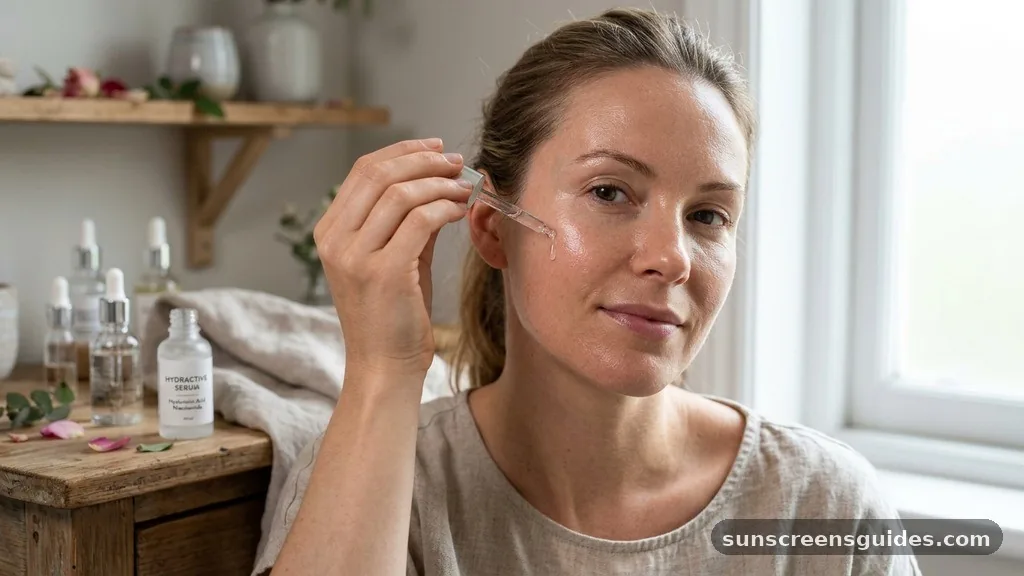
Many people struggle to distinguish between the various bottles lining their bathroom shelves, but understanding what is serum for skin can drastically change your daily routine. Unlike heavy creams or basic cleansers, these lightweight treatments are engineered to deliver a concentrated dose of potent compounds directly into the deeper layers of your complexion.
By prioritizing a specialized serum for skin health, you are essentially providing your face with targeted nutrients that address specific concerns like uneven texture, dehydration, or dark spots. Whether you are aiming for a youthful glow or trying to manage chronic sensitivity, these formulas offer a level of precision that standard moisturizers simply cannot match.
The Core Mechanism of Facial Serums
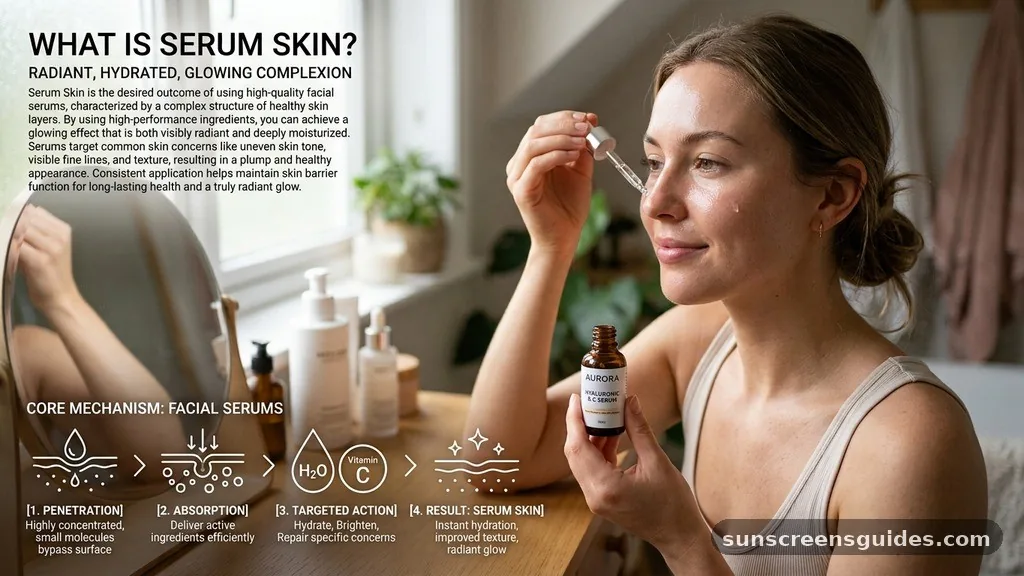
A serum is essentially a high-performance delivery vehicle for your skincare regimen. While moisturizers focus primarily on creating a seal over the surface to prevent dryness, serums are designed to penetrate deeper.
This is largely due to their molecular weight, which is typically much smaller than that of a traditional cream. By keeping the base thin and oil-free or water-based, manufacturers ensure that the active ingredients can bypass the top layer of the epidermis more effectively.
This process is critical for facial skin absorption. When you apply a serum, the formula is intended to sink in quickly without leaving a greasy residue. Because the product is so concentrated, you only need a few drops to cover the entire face.
Think of it as a nutrient-dense booster shot rather than a primary layer of protection. This is why serums are almost always applied after cleansing and before your heavier creams or oils.
Key Active Ingredients Explained
The effectiveness of any treatment depends entirely on what is inside the bottle. Most serums are classified based on the primary active ingredients they contain, each serving a unique biological purpose. Understanding these components helps you choose a product that actually aligns with your personal beauty goals rather than just following a trend.
- Vitamin C: A powerful antioxidant that brightens the complexion and helps fade sun-induced pigmentation by inhibiting melanin production.
- Hyaluronic Acid: A humectant capable of holding up to 1,000 times its weight in water, providing intense hydration to parched cells.
- Retinol: A derivative of Vitamin A that accelerates cellular turnover and promotes healthy collagen production for smoother texture.
- Niacinamide: A versatile form of Vitamin B3 that calms inflammation, regulates oil production, and strengthens the overall skin barrier.
Distinguishing Serum vs Moisturizer
A common point of confusion for many is the fundamental difference between these two staples. It is not a matter of choosing one over the other, as they serve entirely different functions within a healthy routine. A moisturizer is typically designed for occlusion, meaning it acts as a physical barrier to lock in moisture and prevent trans-epidermal water loss.
In contrast, a serum is a treatment-focused product. If you look at the chemical composition, you will notice that serums lack the heavy emollient oils and waxes found in standard creams.
Using a serum without a moisturizer can sometimes leave your face feeling tight, especially in dry climates. Conversely, using a moisturizer without a serum means you might be missing out on the concentrated benefits of specific vitamins or acids that are essential for long-term health.
Optimizing Absorption and Application
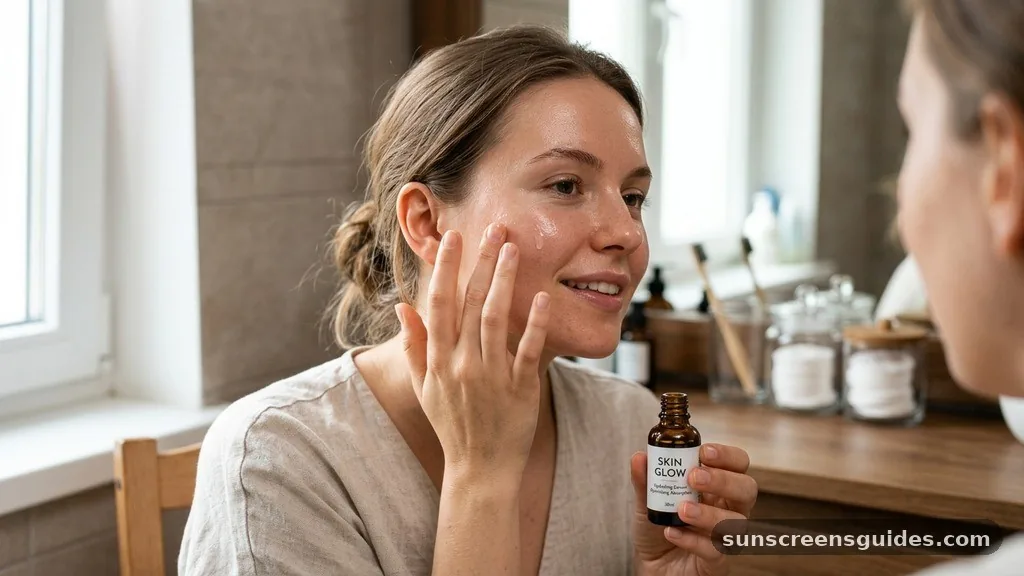
To get the most out of your investment, the order of operations matters significantly. You should always apply your treatments from thinnest to thickest consistency. By starting with the most lightweight product, you minimize the risk of the barrier-forming ingredients in your moisturizer blocking the active ingredients in your serum from reaching their target site.
| Step | Product Type | Primary Function |
|---|---|---|
| 1 | Cleanser | Remove debris and prepare the surface |
| 2 | Serum | Deliver concentrated active ingredients |
| 3 | Moisturizer | Lock in hydration and support the skin barrier |
| 4 | SPF | Protect against environmental damage |
You should allow the product to settle for about sixty seconds before moving to the next step. This brief wait time ensures that the serum has sufficiently absorbed into the surface, preventing it from pilling or rolling off when you layer your cream or sunscreen on top.
Addressing Topical Gaps: Common Concerns
A recurring question is whether serums can replace your entire routine or if they are just an expensive marketing tactic. While they are not a replacement for basic hygiene or sun protection, they fill a gap that other products cannot bridge.
Many people wonder if they need a serum if they have oily skin, and the answer is usually yes—provided the formula is appropriate. A lightweight, water-based niacinamide serum can actually help balance sebum production, whereas a heavy cream might clog your pores.
Another gap involves the risk of irritation. Because serums are so potent, they can sometimes cause reactions if used too frequently or in incorrect combinations.
For example, using chemical exfoliation serums alongside high-strength retinol can compromise your protective layer. It is vital to introduce new products gradually and monitor how your face responds over a two-week period.
The Role of Antioxidants and Protection
Environmental stressors are a constant threat to your complexion, and this is where antioxidant-rich serums shine. Throughout the day, your face is exposed to pollution, UV rays, and blue light, all of which generate free radicals. These molecules damage your cells and contribute to premature aging.
Incorporating a serum containing antioxidants like Vitamin C or ferulic acid provides a secondary line of defense. By neutralizing these free radicals before they can cause oxidative damage, you maintain the structural integrity of your collagen fibers. Think of it as an insurance policy for your face, keeping it resilient against the daily grind of urban living.
Understanding Potential Side Effects
While these treatments are generally safe, they are not entirely without risk. High concentrations of acids or vitamins can lead to redness or sensitivity if your skin is not acclimated to them. This is particularly true for those with compromised barriers or underlying conditions like rosacea or eczema.
If you experience tingling, burning, or persistent peeling, it is usually a sign that you are either using the product too often or using a concentration that is too high for your current needs. It is always wise to perform a patch test on your forearm before applying any new active product to your face. Consistency is far more important than intensity; using a lower percentage product every night is often more effective than using a harsh treatment once a week.
Common Questions About Serums
Is it necessary to use a serum every single day?
Most people benefit from daily use, but it depends on the specific active ingredients in your formula.
Can I layer multiple serums on top of each other?
Yes, you can, but keep it to two or three layers to avoid irritation and ensure proper absorption.
Does a serum replace the need for a moisturizer?
No, a serum provides the treatment, while the moisturizer provides the necessary barrier to prevent water loss.
What happens if I use too much serum?
Over-application can lead to surface residue, pilling, and potential irritation from highly concentrated chemical ingredients or acids.
Should I apply serum to damp or dry skin?
Applying on slightly damp skin often enhances the penetration of ingredients like hyaluronic acid for better hydration results.
Are there specific serums for daytime versus nighttime?
Daytime serums usually focus on antioxidants, while nighttime versions often prioritize repair, exfoliation, or intensive cellular turnover processes.
How long does it take to see results?
Visible improvements typically take four to eight weeks, which aligns with the natural cycle of skin cell turnover.
Final Thoughts on Targeted Skincare
Incorporating a serum into your routine is one of the most effective ways to address specific concerns and improve the overall texture of your complexion. By focusing on products that contain high-quality ingredients like hyaluronic acid or antioxidants, you provide your face with the tools it needs to repair and protect itself. Remember that the best results come from consistency rather than the price tag of your products.
Start slowly, observe how your face reacts, and adjust your usage based on your unique needs. Taking the time to understand what is serum for skin and how it functions will empower you to build a routine that actually delivers visible, long-term improvements to your appearance. Explore your options and feel free to reach out if you have further questions about your specific routine.



