
You probably searched how often do you reapply sunscreen because at some point you looked at the clock, glanced at the sun, and kinda wondered if the sunscreen you put on this morning is still doing anything. Thats a fair question honestly, because almost everyone has been there. You put it on carefully, head outside, get busy, sweat a little, maybe wipe your face without even noticing, and suddenly you’re not really sure if you’re still protected or just hoping for the best.
Sunscreen works incredibly well when it’s used the right way, but it isn’t something you apply once and completely forget about. Time, sweat, water, friction from clothing, and even touching your face all slowly reduce how effective it becomes. That’s why understanding how often you should reapply sunscreen isn’t just another skincare tip. It’s actually one of the biggest factors in preventing sunburn, reducing long-term skin damage, and lowering the risk of skin cancer.
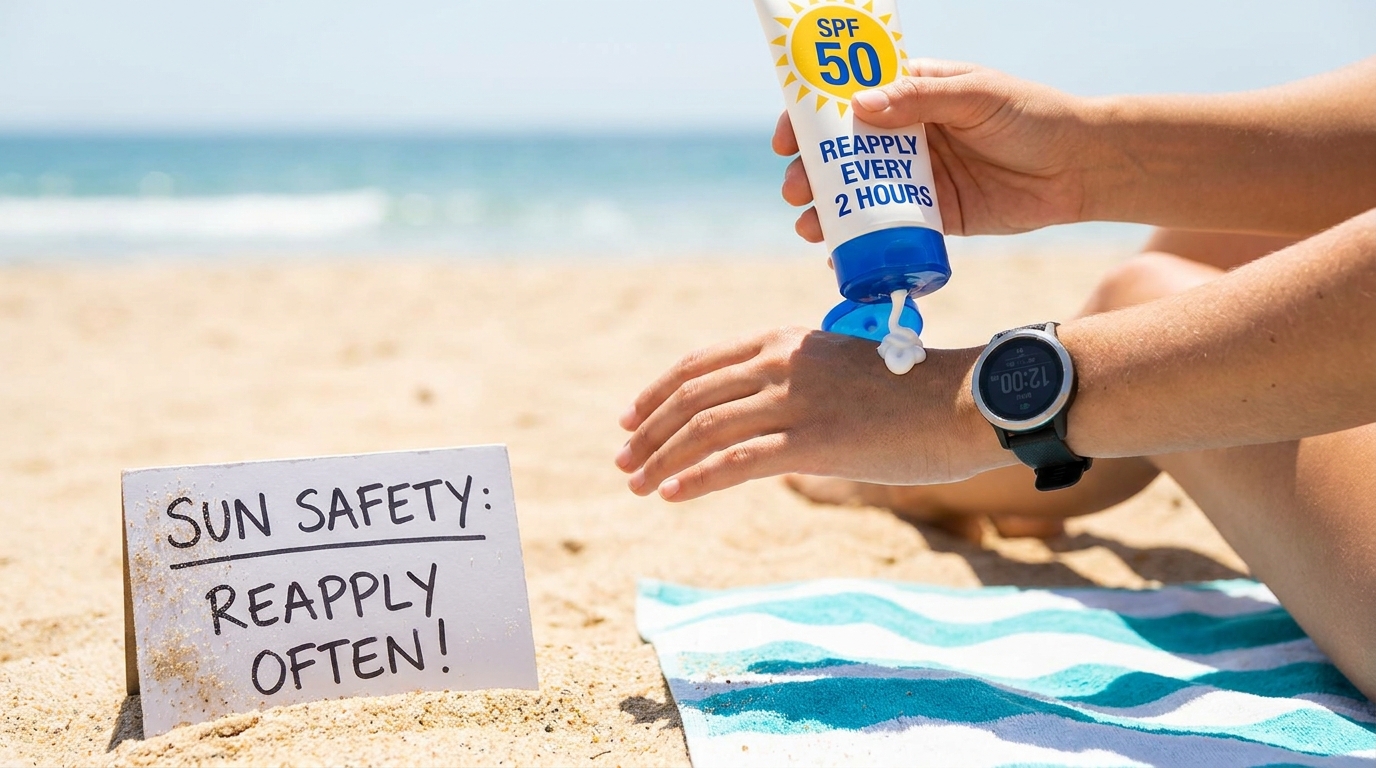
According to the American Academy of Dermatology and the U.S. Food and Drug Administration, sunscreen should generally be reapplied every two hours during sun exposure. That advice hasn’t really changed for years because the science behind it remains consistent. Yet there are plenty of situations where you may need to reapply much sooner.
Why Reapplying Sunscreen Actually Matters
Many people think SPF works like a shield that stays exactly the same all day. It doesn’t. Sunscreen ingredients gradually lose effectiveness through several everyday activities.
Think about what happens during an ordinary afternoon.
You walk outside.
You sweat.
You wipe your forehead.
Your shirt rubs against your shoulders.
You dry your hands with a towel.
Without really noticing, small amounts of sunscreen disappear. It sorta fades away bit by bit rather than vanishing all at once.
Both mineral sunscreens and chemical sunscreens require regular reapplication. Although mineral formulas begin protecting immediately while chemical formulas usually need about 15 to 20 minutes before sun exposure, neither type is designed to last all day without refreshing.
So, How Often Do You Reapply Sunscreen?
For most people, the simple answer is every two hours whenever you’re exposed to direct sunlight.
Here’s a quick reference table.
| Situation | Recommended Reapplication |
|---|---|
| Normal outdoor activities | Every 2 hours |
| Swimming | Immediately after getting out of the water |
| Heavy sweating | Immediately after excessive sweating |
| Drying off with a towel | Right after towel drying |
| Hiking or sports | Every 80 minutes or sooner if sweating heavily |
| Mostly indoors near windows | Usually once during the day if sunlight exposure is limited |
Even water-resistant sunscreen eventually washes away. The phrase “water resistant” doesn’t mean waterproof, despite what some people still beleive.
The FDA allows products to claim water resistance for either 40 minutes or 80 minutes, depending on testing.
Why Two Hours Became the Standard
Researchers didn’t randomly choose two hours.
Studies measuring sunscreen performance found that ultraviolet exposure, natural skin oils, sweat, and normal movement slowly reduce the protective layer sitting on your skin. Even without swimming, sunscreen coverage becomes less even over time.
Dermatologists continue recommending the two-hour rule because it offers reliable protection under typical outdoor conditions.
A small delay probably won’t ruin your protection completely, but repeatedly stretching sunscreen from morning until sunset definitely leaves skin much more vulnerable.
What Happens If You Don’t Reapply?
Missing one application isn’t automatically going to cause severe damage.
However, regularly skipping reapplication can increase your exposure to ultraviolet radiation.
Over months and years this contributes to:
- Premature wrinkles
- Dark spots
- Uneven skin tone
- Reduced skin elasticity
- Sunburn
- Increased skin cancer risk
The Skin Cancer Foundation estimates that regular daily sunscreen use can significantly reduce the risk of squamous cell carcinoma and melanoma when combined with other protective behaviors.
That sounds dramatic maybe, but sunlight is quietly persistent. It doesn’t really announce the damage while it’s happening.
Factors That Change How Often You Need Sunscreen
Not every day is the same, and neither is your sunscreen routine.
Sweating
If you’re exercising, jogging, gardening, or playing sports, sweat removes sunscreen much faster.
Even water-resistant products should be reapplied immediately after heavy sweating.
Swimming
Water-resistant sunscreen still wears off.
Whether you’re swimming in the ocean, lake, or backyard pool, you should reapply as soon as you leave the water and dry yourself.
High UV Index
A stronger UV index doesn’t necessarily shorten sunscreen life, but it increases the consequences of inadequate coverage.
During summer afternoons or tropical vacations, missing reapplication matters alot more.
Clothing Friction
Backpacks.
Shoulder straps.
Tight sleeves.
Even handbags rubbing against your shoulder.
Constant friction removes sunscreen surprisingly quickly.
Is SPF 100 Enough for the Whole Day?
No.
Higher SPF protects against a greater percentage of UVB rays, but it does not mean you can skip reapplying.
Here’s a comparison.
| SPF | Approximate UVB Protection |
|---|---|
| SPF 15 | About 93% |
| SPF 30 | About 97% |
| SPF 50 | About 98% |
| SPF 100 | About 99% |
Notice how the protection increases gradually.
SPF mainly measures strength, not duration.
That’s probably one of the biggest misconceptions people still have.
How Much Sunscreen Should You Apply?
Using too little sunscreen is almost as common as forgetting to reapply.
Dermatologists generally recommend:
- About one ounce (roughly a shot glass) for the entire adult body
- Around half a teaspoon for the face and neck
- Extra for ears
- Extra for the backs of hands
- Extra for feet if they’re exposed
Most people only apply about 25% to 50% of the amount used during laboratory SPF testing. That means SPF 50 often performs much closer to SPF 20 in real-world conditions.
Its kinda surprising once you hear the numbers.
Does Makeup Change Anything?
Many people avoid reapplying because they don’t want to ruin their makeup.
Fortunately, several options make it easier.
You can use:
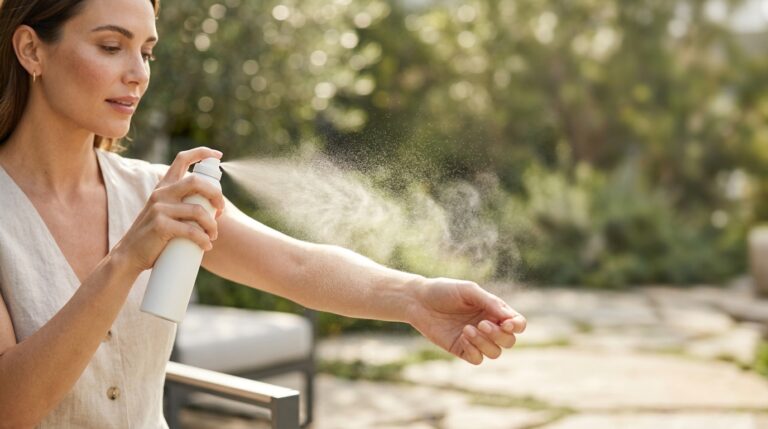
- Sunscreen sticks
- Mineral powder sunscreen
- SPF facial mist
- Lightweight sunscreen lotion gently pressed onto the skin
Although powder sunscreen can help with touch-ups, many dermatologists recommend using lotion or stick formulas whenever possible because achieving full SPF coverage with powder alone can be difficult.
Indoor Workers Still Need Sunscreen?
Sometimes yes.
If you’re sitting far from windows all day, your need for frequent reapplication is lower.
However, if you:
- Drive regularly
- Sit beside large windows
- Work outdoors during lunch
- Walk between buildings
Then sunscreen remains worthwhile.
UVA rays can pass through standard window glass more easily than UVB rays, contributing to long-term skin aging.
Children Need Reapplication Too
Kids often spend hours running, climbing, swimming, and sweating.
That means sunscreen disappears faster than many parents realize.
For children:
- Apply sunscreen 15 minutes before outdoor play.
- Reapply every two hours.
- Reapply after swimming.
- Reapply after towel drying.
- Wear hats whenever possible.
Infants younger than six months should generally be kept out of direct sunlight rather than relying primarily on sunscreen.
Common Sunscreen Reapplication Mistakes
Even people who use sunscreen every day make little mistakes.
Some of the biggest ones include:
- Applying sunscreen only once in the morning.
- Forgetting ears.
- Missing the neck.
- Ignoring the scalp.
- Skipping hands after washing.
- Using expired sunscreen.
- Applying far too little.
- Assuming cloudy weather eliminates UV exposure.
Clouds can block visible sunlight while still allowing a large percentage of ultraviolet rays to reach your skin.
Real-Life Example
Imagine two friends spending six hours at the beach.
Sarah applies SPF 50 once before arriving.
Michael applies SPF 30 before arriving and reapplies every two hours, plus immediately after swimming.
By sunset, Michael’s skin has maintained much more consistent protection even though his SPF number was lower.
That’s a good reminder that consistency usually beats simply buying the highest SPF bottle on the shelf.
Expert Recommendations
Several respected health organizations provide remarkably similar guidance.
“Reapply sunscreen at least every two hours, and immediately after swimming or sweating.”
That recommendation is consistently supported by:
- American Academy of Dermatology
- U.S. Food and Drug Administration
- Centers for Disease Control and Prevention
- Skin Cancer Foundation
When multiple independent health organizations keep repeating the same advice for years, its generally because the evidence remains strong.
Practical Daily Sunscreen Routine
If remembering sunscreen feels difficult, try building it into your routine instead of relying on memory.
A simple schedule could look like this:
| Time | Action |
|---|---|
| 8:00 AM | Apply sunscreen before leaving home |
| 10:00 AM | First reapplication if outdoors |
| 12:00 PM | Reapply before lunch outside |
| 2:00 PM | Reapply again if still outdoors |
| After swimming or sweating | Reapply immediately |
Setting a phone reminder works surprisingly well. It sounds obvious, yet loads of people only remember after they’ve already started feeling their skin getting warm.
Final Thoughts
Understanding how often do you reapply sunscreen really comes down to one simple habit: don’t assume the morning application will carry you through the day. Sun protection slowly wears away, whether you’re swimming, hiking, commuting, or just sitting outside enjoying nice weather. Reapplying every two hours, using enough product, and refreshing immediately after water or heavy sweating gives your sunscreen the best chance to actually do the job you bought it for.
The little effort of reaching for the bottle again may seem annoying in the moment, but compared with painful sunburn, premature aging, or years of accumulated UV damage, it’s a habit thats genuinely worth keeping. Good sunscreen isn’t just about what SPF is printed on the label. It’s about using it consistently, generously, and remembering that protection works best when you give it another layer before the previous one quietly disappears.
How often do you reapply sunscreen if you stay outside all day?
Reapply sunscreen every two hours while outdoors. Apply it sooner after swimming, sweating, or towel drying to keep protection steady throughout the day, even if it feels fine.
Can sunscreen last all day without reapplying?
No. Sunscreen gradually breaks down from sunlight, sweat, skin oils, and friction. A single morning application usually won’t provide reliable protection until evening, even with high SPF.
Should you reapply sunscreen after swimming?
Yes. Reapply immediately after swimming and drying off, even if your sunscreen is labeled water resistant. Water resistance only lasts for the tested time period.
Do you need to reapply sunscreen indoors?
Usually less often, but reapply if you spend time near sunny windows, drive frequently, or step outside during the day because ultraviolet rays can still reach exposed skin.
Does higher SPF mean you can reapply less often?
No. Higher SPF offers stronger UVB protection but doesn’t extend wear time. Whether using SPF 30, 50, or 100, reapply about every two hours outdoors.