

Finding what is the best lash growth serum requires looking past marketing buzzwords to understand how specific ingredients interact with your natural hair cycle. While many products promise dramatic transformations, the reality of achieving longer, thicker lashes depends on whether a formula focuses on active medical-grade ingredients or conditioning botanical extracts.
By balancing your desire for results with your personal tolerance for sensitivity, you can pinpoint a product that safely supports your beauty goals. This article helps you navigate the science of lash health, ensuring you choose a solution that aligns with your eyes’ needs and your expectations for visibility.
The Science Behind Lash Growth Cycles

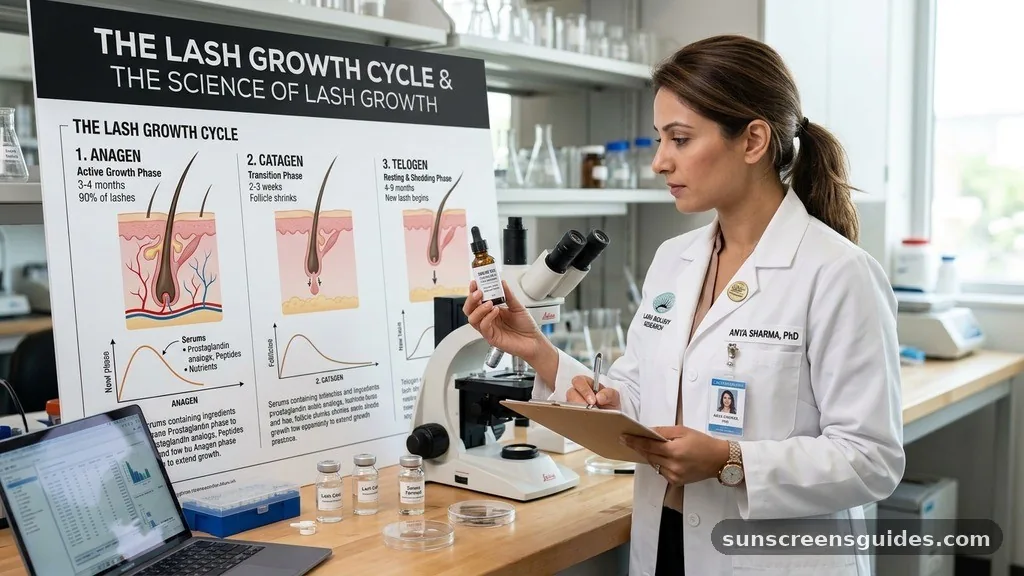
At the core of any effective treatment is the biological reality of the eyelash growth cycle. Your lashes are not static; they go through anagen, catagen, and telogen phases, similar to the hair on your head. Most high-performance products work by extending the anagen phase, which is the period of active growth.
When you apply a serum, you are essentially providing the follicle with the nutrients or signals required to keep producing hair for a longer duration. This results in lashes that have more time to reach their full potential length before shedding.
Understanding that lashes have a limited lifespan helps manage expectations regarding how quickly you will see changes. Consistent, daily application is the only way to influence these follicles effectively. Because individual lashes grow at different rates, you will not see a sudden, uniform increase in length overnight.
Instead, the process is gradual, often requiring four to eight weeks of dedicated use to notice a significant difference in lash density. By nourishing the base of the hair, you ensure that new growth is stronger and less prone to premature breakage.
Comparing Active Ingredients: Prostaglandins vs. Peptides
When evaluating what is the best lash growth serum, the most significant divide exists between formulas containing prostaglandin analogs and those relying on peptides. Prostaglandins, such as the active compound in Latisse (known as bimatoprost), are potent clinical agents.
These substances directly stimulate the follicles to stay in the growth phase longer, often yielding the most dramatic, visible results in terms of both length and volume. However, they are also associated with a higher risk of side effects, including ocular irritation and potential iris pigmentation changes.
Conversely, peptide-based serums focus on strengthening the hair structure itself. Peptides are chains of amino acids that support the production of keratin, the primary protein in your lashes. While these formulas might not induce the same rapid growth as prostaglandin analogs, they are generally safer for daily use.
They excel at preventing lash loss by keeping the hair shaft hydrated and resilient. For users with sensitive eyes who prioritize hypoallergenicity, a peptide-based approach is usually the superior choice.
| Ingredient Category | Primary Benefit | Risk Profile |
|---|---|---|
| Prostaglandin Analogs | Maximum Length/Density | Higher (Irritation risk) |
| Peptides & Biotin | Strength & Conditioning | Low (Gentle) |
Safety Considerations and Ocular Health

The delicate nature of the skin around your eyes means that ophthalmic safety must be your top priority when choosing a treatment. You are applying a liquid substance very close to the mucosal lining of the eye, making the risk of migration a real concern.
Even the most effective serum can cause problems if it is not formulated with a pH level that matches the natural tear film. Before committing to a product, look for evidence of dermatological testing to ensure the formula has been vetted for potential allergens or irritants.
If you have a history of eye conditions like glaucoma or chronic dry eye, you should always consult with an eye care professional before starting a new regimen. Some ingredients can interfere with other ocular treatments or exacerbate existing sensitivity. Furthermore, the application technique plays a major role in safety.
Always apply the product to the base of clean, makeup-free lashes, and avoid getting the applicator brush inside the eye. Proper hygiene, such as replacing your serum every three months to prevent bacterial buildup, is just as important as the product choice itself.
Addressing Topical Gaps in Lash Care
A common point of confusion is why some people see incredible results while others experience almost no change. One often overlooked gap in information is the role of systemic health in lash growth. Topical serums cannot compensate for significant nutritional deficiencies.
If your body lacks essential nutrients like biotin, iron, or zinc, your hair follicles may struggle to synthesize the proteins needed for growth. Combining a quality serum with a balanced diet or necessary supplements often provides better outcomes than relying on topical applications alone.
Another gap involves the “maintenance phase” of lash care. Many users stop using their serum once they reach their desired length, only to find their lashes reverting to their previous state. Lash growth is not a permanent fix but a continuous cycle; once you stop the stimulation, your lashes will return to their natural growth pattern.
To maintain results, you need a transition strategy. Most dermatologists recommend tapering down to a maintenance application schedule, such as two or three times per week, rather than stopping cold turkey. This helps you keep the gains you have worked so hard to achieve over the months.
- Apply to clean, dry skin to ensure maximum absorption.
- Avoid using oil-based cleansers before application, as they can leave a film.
- Be patient; it takes at least 6 weeks to see the full cycle impact.
- Store the product in a cool, dark place to maintain ingredient stability.
- Stop usage immediately if you notice redness or persistent itching.
Conclusion
Selecting the right lash product involves weighing the benefits of potent growth-stimulating ingredients against the need for long-term eye safety. While RapidLash and similar brands offer reliable results for those seeking an accessible entry point into lash care, the “best” choice is ultimately the one that delivers visible improvements without causing discomfort. Prioritizing products that have undergone rigorous testing ensures you aren’t sacrificing your ocular health for the sake of aesthetics.
By understanding the underlying biology of your growth cycle and committing to a consistent routine, you can safely cultivate the look you want. Stay observant of how your eyes react during the first few weeks, and don’t hesitate to adjust your regimen to find the perfect balance for your personal needs.
What is the #1 lash growth serum currently on the market?
There is no single “best” serum, as results depend heavily on individual sensitivity and biological response to ingredients.
Do lash serums actually work for everyone?
Most people see results, but effectiveness varies based on genetics, age, and the consistency of daily application habits.
Is it safe to use lash serums with contact lenses?
Yes, but you should remove lenses before application and wait 15 minutes before reinserting to prevent product absorption.
Will my lashes fall out if I stop using the serum?
They will return to their natural growth cycle and length, but they will not fall out prematurely because of it.
How long should I wait to see results?
Most users notice visible changes in length and thickness between four and eight weeks of consistent daily usage.
Are prostaglandin-free serums effective?
Yes, they are highly effective for conditioning, strengthening, and preventing breakage, though they act differently than medical-grade analogs.
Can these products cause permanent eye color changes?
While rare, prostaglandin-based products carry a small risk of darkening the iris, primarily in those with lighter-colored eyes.



