
How long does sunscreen last on your face is probably something you’ve wondered after applying it in the morning and then noticing hours later that your skin feels different, looks shiny, or you’re just not sure if the protection is still there. You put it on, you wait, you go outside, and then the little doubt starts creeping in: “Am I still protected or am I just wearing an expensive moisturizer now?” The answer is not as simple as checking the clock because sweat, sunlight, water, rubbing, and even your own skin oils can change how long sunscreen actually stays effective.
Sunscreen is designed to create a protective barrier against harmful ultraviolet (UV) rays, but that barrier does not stay untouched all day. Even the strongest sunscreen slowly becomes less reliable as time passes. Understanding when and why you need to reapply can make a huge difference in preventing sunburn, premature aging, dark spots, and long-term skin damage.
How Long Does Sunscreen Last on Your Face Normally?
For most people, sunscreen lasts around two hours on the face when exposed to normal outdoor conditions. This is the general recommendation from dermatologists and organizations such as the American Academy of Dermatology (AAD). However, the real duration depends on several things happening around you and on your skin.
A sunscreen applied at 8 a.m. before leaving for work may not provide the same level of protection at 2 p.m. The product might still physically be on your skin, but its ability to block UV rays can decrease.
Your sunscreen may wear away faster because of:
- Sweating during exercise or hot weather
- Touching or wiping your face
- Wearing masks or helmets
- Excess oil production
- Swimming or washing your face
- High UV exposure during midday hours
Some people think a high SPF sunscreen means they can apply it once and forget about it. Sadly, that little bottle is not a magical invisible shield that follows you around all day. SPF affects the amount of UVB protection, not how long the product stays active.
Why Does Sunscreen Stop Working After a Few Hours?
Sunscreen does not suddenly disappear after exactly two hours like a timer going off. Instead, the protective ingredients become less evenly distributed and less effective over time.
Chemical sunscreens absorb UV radiation through active ingredients, while mineral sunscreens such as zinc oxide and titanium dioxide sit on the skin and reflect or scatter UV rays. Both types can lose effectiveness when the protective layer becomes uneven.
Imagine painting a thin layer on a wall. If nothing touches it, the paint stays longer. But if people keep brushing against it, rain hits it, and sunlight constantly attacks it, the surface changes. Sunscreen on your face works in a somewhat similar way.
Things that reduce sunscreen effectiveness include:
| Factor | How It Affects Sunscreen |
|---|---|
| Sweat | Can dilute and remove sunscreen from the skin |
| Water | Washes away protective layers |
| Face touching | Creates uneven coverage |
| Oil production | Breaks down and moves sunscreen |
| Towels or tissues | Physically removes product |
| Strong sunlight | Increases UV exposure and protection demands |
How Often Should You Reapply Sunscreen on Your Face?
For daily activities, experts generally recommend applying sunscreen every two hours when you are outdoors. If you are mostly indoors and away from windows, you may not need to reapply as frequently, although morning application is still important.
You should reapply sunscreen sooner if:
- You are swimming
- You are sweating heavily
- You exercise outside
- You wipe your face
- You spend long hours under direct sunlight
Water-resistant sunscreen usually lasts longer during swimming or sweating, but it is not waterproof. The label usually states whether protection lasts for 40 or 80 minutes in water.
A common mistake people make is applying sunscreen once before leaving home and assuming they are protected until night. It sounds reasonable, but skin doesn’t work like that. Your face is exposed to movement, weather, and daily life all day long.
Does SPF 50 Sunscreen Last Longer Than SPF 30?
Many people believe SPF 50 sunscreen lasts longer than SPF 30, but that is not exactly true.
SPF measures protection against UVB rays, not the amount of time sunscreen remains effective.
Here is a simple comparison:
| SPF Level | Approximate UVB Protection |
|---|---|
| SPF 15 | Blocks about 93% of UVB rays |
| SPF 30 | Blocks about 97% of UVB rays |
| SPF 50 | Blocks about 98% of UVB rays |
An SPF 50 sunscreen does provide slightly higher protection, but it still needs regular reapplication. A person wearing SPF 50 for eight hours without reapplying is usually less protected than someone wearing SPF 30 and applying it correctly.
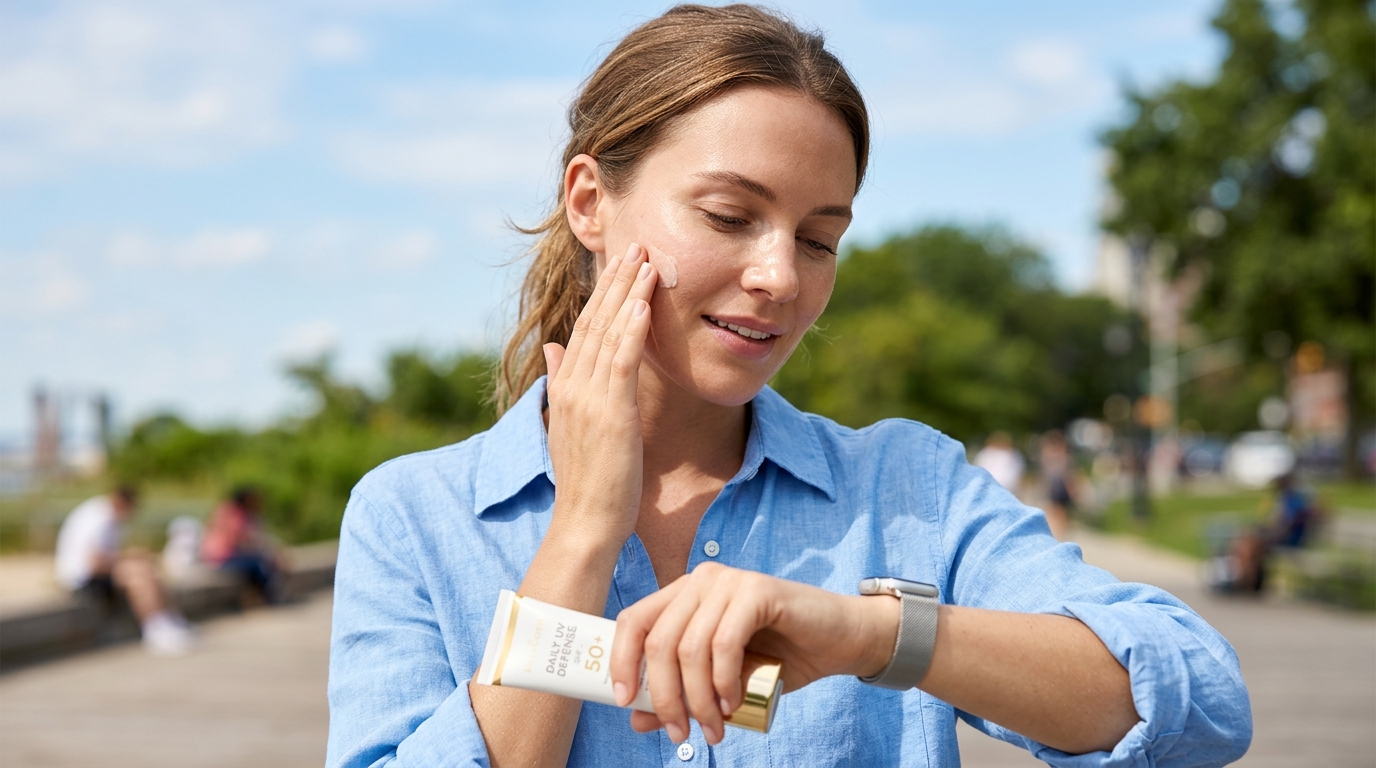
The application amount matters too. Most people use much less sunscreen than needed. Dermatologists commonly recommend about two milligrams of sunscreen per square centimeter of skin, which is roughly a nickel-sized amount for the face and neck together.
How Long Does Sunscreen Last on Your Face Indoors?
If you spend most of your day inside, sunscreen may last longer because you are exposed to fewer environmental factors. However, indoor life does not always mean zero UV exposure.
UVA rays can pass through many types of glass, meaning sitting near a sunny window, driving, or working beside large windows can still expose your skin.
For someone working indoors away from windows, applying sunscreen once in the morning may often be enough. But if you sit near sunlight for several hours, reapplying can still be helpful.
Also, remember that blue light from digital devices is not the same as UV radiation. Sunscreen is mainly designed for UV protection, not for every type of light exposure.
How Long Does Sunscreen Last on Your Face When Sweating?
Sweat is one of the biggest reasons sunscreen disappears faster. When your face becomes sweaty, the sunscreen layer can become thinner, move around, or drip away.
If you are running, playing sports, gardening, or working outside in hot weather, reapplication becomes much more important.
A good routine is:
- Apply sunscreen 15 minutes before going outside.
- Allow it to set properly.
- Reapply after heavy sweating.
- Use a water-resistant formula for outdoor activities.
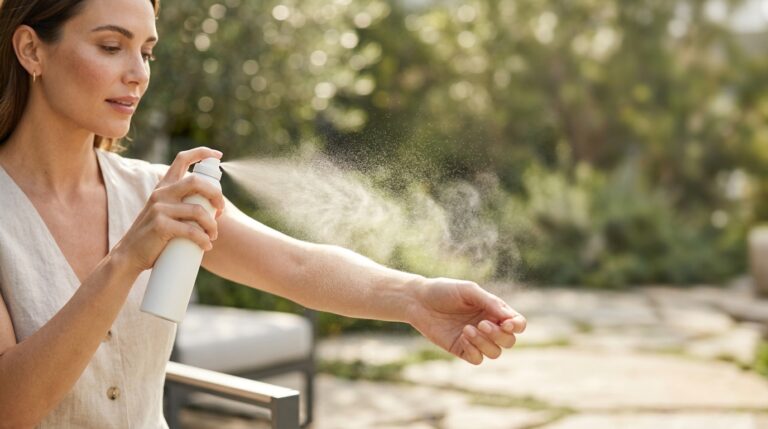
Some people avoid reapplying because they worry about makeup becoming messy. In that case, sunscreen sticks, powders, or sprays made for reapplication can be useful, although applying enough product is still necessary.
Does Washing Your Face Remove Sunscreen?
Yes, washing your face removes sunscreen. Cleansing is actually the best way to remove sunscreen at the end of the day because some formulas are designed to stay firmly attached to the skin.
A gentle cleanser can remove sunscreen without damaging your skin barrier. If you wear water-resistant sunscreen or heavy makeup, double cleansing may help remove all residue.
Leaving sunscreen on overnight is not recommended because your skin needs time to recover and maintain normal balance.
How to Make Sunscreen Stay Longer on Your Face
While you cannot make sunscreen last forever, you can help it perform better.
Try these tips:
- Apply sunscreen on clean, dry skin.
- Use enough product instead of a thin layer.
- Wait about 15 minutes before sun exposure.
- Avoid rubbing your face frequently.
- Choose water-resistant sunscreen for outdoor activities.
- Reapply after sweating or swimming.
Another small thing people often ignore: expired sunscreen may not protect properly. Check the expiration date and store the product away from extreme heat because leaving sunscreen inside a hot car can damage its ingredients.
Common Sunscreen Mistakes That Reduce Protection
Even people who use sunscreen daily sometimes make mistakes that lower protection.
Applying Too Little Sunscreen
A tiny amount may feel comfortable, but it usually does not provide the SPF written on the bottle. A thin layer of SPF 50 does not magically become SPF 50 protection.
Forgetting Areas Around the Face
People often miss:
- Ears
- Hairline
- Neck
- Around the eyes
- Upper cheeks
These areas receive sunlight too and can show aging signs earlier.
Not Reapplying Because the Skin Looks Fine
Sun damage is not always visible immediately. Your skin can look normal while UV rays are causing changes underneath. That is why prevention matters.
Expert Recommendations About Sunscreen Duration
The American Academy of Dermatology recommends using a broad-spectrum sunscreen with SPF 30 or higher, applying it generously, and reapplying approximately every two hours when outdoors.
The Skin Cancer Foundation also emphasizes consistent sunscreen use as part of a complete sun protection routine, alongside shade and protective clothing.
These recommendations exist because UV exposure is cumulative. A few minutes here and there may seem harmless, but repeated daily exposure adds up over years.
Final Thoughts: How Long Does Sunscreen Last on Your Face?
So, how long does sunscreen last on your face? In most situations, around two hours outdoors is the safe guideline, but your environment and activities can shorten that time. Sweat, water, touching your face, and strong sunlight all reduce how long your sunscreen remains effective.
The goal is not to chase perfection with sunscreen. It is simply to build a habit that protects your skin consistently. Applying enough sunscreen, choosing the right formula, and remembering to reapply when needed can help keep your skin healthier for years. Sometimes the smallest daily habit ends up being the one your future skin quietly thanks you for.
Frequently Asked Questions
How long does sunscreen last on your face without sweating?
Sunscreen generally lasts about two hours outdoors, but indoors with minimal exposure it may remain effective longer.
Can I leave sunscreen on my face all day?
Yes, sunscreen can stay on during the day, but reapplication is needed outdoors for continued protection.
Does sunscreen expire on your face?
Expired sunscreen may lose effectiveness, so always check dates and replace products that are past their recommended use.
How much sunscreen should I apply to my face?
Use enough sunscreen to cover your face and neck properly, usually around a nickel-sized amount together.
Does SPF 100 sunscreen last longer than SPF 30?
No, SPF 100 does not last longer; it only provides higher UVB protection when applied correctly.