
You keep wondering, can you take sunscreen on a plane, because your bag is already packed, the airport is tomorrow, and somehow this tiny bottle suddenly feels like it might cause the biggest problem. Funny how travel does that, it makes ordinary things seem suspicious for no reason. You don’t wanna reach security and hear that your favorite sunscreen has to stay behind, especially if you’re heading somewhere sunny where skipping SPF isn’t really an option.
The good news is that, yes, you can take sunscreen on a plane. The catch is that the rules depend on whether it’s packed in your carry-on or checked luggage, and whether you’re carrying lotion, spray, stick, or aerosol sunscreen. Most travelers only discover these details while standing in the security line, which is honestly the worst possible timing.
Knowing the rules before you leave saves money, stress, and a little bit of embarassment. Here’s everything you should know before your next flight.
Can You Take Sunscreen on a Plane?
Yes, sunscreen is allowed on commercial flights in most countries. However, the way you pack it depends on the type of sunscreen and where you’re packing it.
If you’re carrying sunscreen in your cabin bag, liquid restrictions usually apply. If it’s packed in checked baggage, you generally have much more flexibility.
Here’s a quick overview.
| Sunscreen Type | Carry-On | Checked Bag |
|---|---|---|
| Lotion Sunscreen | Yes (travel-size rules apply) | Yes |
| Cream Sunscreen | Yes (travel-size rules apply) | Yes |
| Gel Sunscreen | Yes (travel-size rules apply) | Yes |
| Spray Sunscreen | Yes (size restrictions apply) | Yes |
| Aerosol Sunscreen | Limited | Yes (subject to airline safety rules) |
| Stick Sunscreen | Yes | Yes |
| Powder Sunscreen | Yes | Yes |
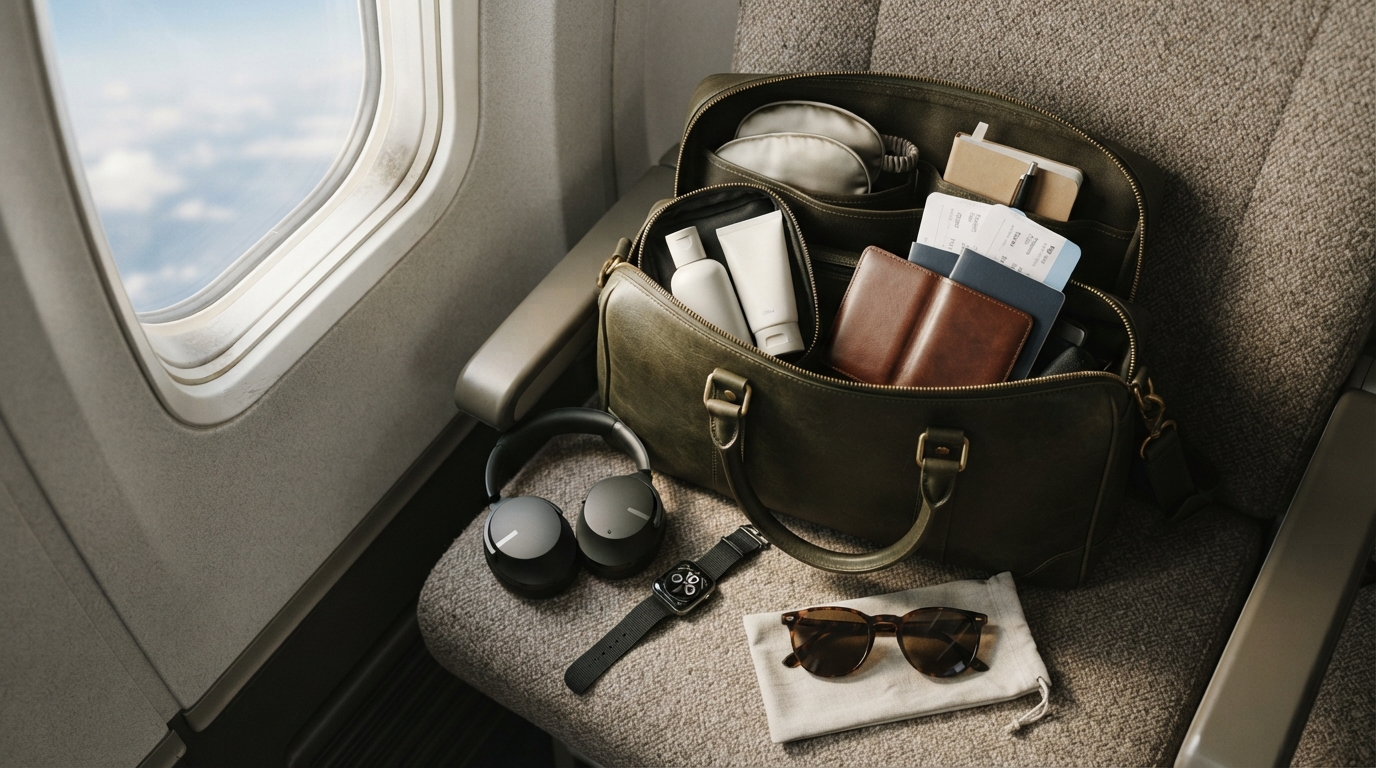
For most travelers, the easiest solution is carrying a travel-sized sunscreen in hand luggage and packing larger bottles in checked luggage.
TSA Liquid Rules for Sunscreen
If you’re flying from or within the United States, the Transportation Security Administration (TSA) follows what’s commonly called the 3-1-1 liquids rule.
That means liquid, gel, cream, and aerosol sunscreen containers must be no larger than 3.4 ounces (100 milliliters) each if they’re in your carry-on. They also need to fit inside one clear quart-sized bag along with your other liquids. It sounds picky, but after you’ve done it once, its honestly pretty simple.
The TSA explains:
“Passengers may bring liquids, gels and aerosols in travel-size containers of 3.4 ounces (100 milliliters) or less.”
This rule applies whether the sunscreen is half empty or completely full. Security checks the container’s maximum capacity, not how much product remains inside.
Does Stick Sunscreen Count as a Liquid?
One little travel trick people sometimes overlook is stick sunscreen.
Solid sunscreen sticks generally do not count toward your liquid allowance because they aren’t considered liquids or gels during security screening. That’s why many frequent flyers keep a sunscreen stick in their backpack. Its less messy too, which nobody complains about.
Stick sunscreen also has several advantages:
- Doesn’t leak
- Easy to apply during travel
- Doesn’t take up liquid allowance
- Ideal for quick touch-ups
- Less likely to burst due to pressure changes
For short trips, a sunscreen stick may be all you need.
Can You Pack Full-Size Sunscreen in Checked Luggage?
Absolutely.
Checked baggage allows full-size sunscreen bottles without the strict liquid size limitations used for carry-on bags.
Many travelers pack bottles containing:
- 200 ml
- 250 ml
- 400 ml
- Family-sized sunscreen containers
Still, it’s smart to place sunscreen inside a sealed plastic bag. Luggage gets tossed around more than we’d all like to imagine, and even tightly closed caps can leak during long flights.
A zip-top bag can save your clothes from becoming unexpectedly moisturized.
What About Spray Sunscreen and Aerosol Sunscreen?
Spray sunscreen deserves a little extra attention.
Non-aerosol spray sunscreen follows the same liquid rules as lotion sunscreen. If the bottle is under 100 ml, it’s usually allowed in carry-on luggage.
Aerosol sunscreen is different because it’s pressurized.
Most airlines permit aerosol sunscreen in checked baggage for personal use, but there may be quantity limits because aerosols are considered hazardous materials under aviation regulations.
Before flying internationally, check your airline’s baggage policy since restrictions can vary slightly.
International Flights May Have Different Rules
If you’re traveling outside your home country, airport security regulations may differ.
Many countries use the same 100 ml carry-on liquid limit, including airports throughout:
- European Union
- United Kingdom
- Canada
- Australia
- New Zealand
- Singapore
- Japan
Still, local airport authorities always have the final say.
Some airports use advanced scanners that may eventually relax liquid restrictions, while others continue following traditional screening methods. Rules shift now and then, kinda quietly sometimes, so checking before departure is worth the two minutes.
Can You Buy Sunscreen After Airport Security?
Yes.
Many airports sell sunscreen inside the departure area after you’ve passed security.
You’ll often find sunscreen at:
- Airport pharmacies
- Convenience stores
- Duty-free shops
- Travel stores
- Cosmetic retailers
The downside is price.
Airport sunscreen often costs considerably more than buying it before your trip.
If you’re traveling to a beach destination, purchasing sunscreen before leaving home usually saves money.
Why Wearing Sunscreen During Air Travel Matters
Some people think sunscreen only matters after landing.
Actually, UV exposure during flights can be surprisingly high, especially if you’re sitting beside a window.
According to research published in JAMA Dermatology, pilots and frequent flyers receive increased ultraviolet radiation exposure at cruising altitude because the atmosphere provides less protection.
Aircraft windows block most UVB rays but allow a significant amount of UVA radiation to pass through. UVA contributes to premature skin aging and increases long-term skin cancer risk.
If you’re on a daytime flight and sitting near the window for several hours, applying sunscreen beforehand isn’t a bad idea at all. It feels a bit extra untill you remember how much sunlight pours through those windows.
Choosing the Best Travel Sunscreen
Travel sunscreen isn’t just about size.
Look for products that offer:
- Broad-spectrum protection
- SPF 30 or higher
- Water resistance if visiting beaches
- Leak-resistant packaging
- Lightweight bottles
- Fast absorption
Many brands now sell travel-sized versions specifically designed for flights.
These smaller bottles meet airline liquid requirements while lasting several days depending on usage.
Tips for Packing Sunscreen Without Leaks
Nobody enjoys opening a suitcase filled with sunscreen-coated clothing.
These simple packing tips reduce the chance of leaks:
- Tighten the cap securely.
- Place bottles inside resealable plastic bags.
- Store sunscreen upright if possible.
- Wrap bottles with a small towel.
- Avoid overfilled containers.
- Keep aerosol cans away from sharp objects.
Tiny steps, but they can save your vacation wardrobe.
Common Mistakes Travelers Make
People usually don’t lose sunscreen because sunscreen is prohibited.
They lose it because of avoidable mistakes.
Some of the most common include:
- Bringing a 200 ml bottle in a carry-on.
- Forgetting sunscreen inside a backpack pocket.
- Packing liquids outside the clear security bag.
- Assuming spray sunscreen isn’t considered a liquid.
- Ignoring airline aerosol restrictions.
- Buying sunscreen only after reaching an expensive tourist destination.
A little planning goes much further than people expect.
What Happens if Your Sunscreen Is Too Large?
If your sunscreen exceeds the carry-on liquid limit and you don’t have checked luggage, airport security will usually require you to surrender it.
Unfortunately, partially full bottles aren’t exempt.
Security officers evaluate the container size rather than the remaining contents.
Depending on the airport, your options may include:
- Returning it to your vehicle
- Checking your bag if time allows
- Giving it to someone not traveling
- Disposing of it at security
It’s a frustrating way to start a trip, honestly.
Sunscreen and Airline Cabin Pressure
A question that pops up every now and then is whether sunscreen explodes during flights.
Generally, no.
Commercial aircraft cabins are pressurized, and properly sealed sunscreen containers rarely burst.
However, pressure changes combined with temperature differences can cause small leaks if caps aren’t tightly secured.
That’s another reason resealable plastic bags remain a smart travel companion.
Expert Recommendations
Dermatologists consistently recommend daily sunscreen use, including while traveling.
The American Academy of Dermatology advises using:
- Broad-spectrum sunscreen
- SPF 30 or higher
- Water-resistant formulas when appropriate
- Reapplication every two hours outdoors
If you’re flying directly into a sunny destination, applying sunscreen shortly before landing can help protect your skin once you’re outside.
Many travelers forget that the strongest sunlight often arrives before they’ve even reached their hotel.
Final Thoughts
So, can you take sunscreen on a plane? Yes, absolutely. You just need to pack it the right way.
Travel-sized lotion, cream, gel, and spray sunscreens can usually go in your carry-on if they meet liquid restrictions, while larger bottles belong in checked luggage. Stick sunscreen offers one of the easiest travel-friendly options because it doesn’t normally count toward your liquid allowance.
A few minutes spent checking airport and airline rules before your trip can prevent unnecessary delays at security. That tiny bit of planning means you’ll arrive at your destination ready to enjoy the sunshine instead of shopping for overpriced sunscreen at the airport. Not the most exciting part of travel prep maybe, but it’s one of those little things you’ll be glad you sorted out.
Can you take sunscreen in your carry-on bag?
Yes. Liquid, cream, gel, and spray sunscreens must usually be 100 ml or smaller, while stick sunscreen is generally allowed without liquid restrictions.
Can you bring full-size sunscreen on a plane?
Yes, full-size sunscreen is usually permitted in checked luggage. Carry-on bags must follow airport liquid limits unless the sunscreen is in solid stick form.
Does spray sunscreen count as a liquid at airport security?
Yes. Spray sunscreen is treated as a liquid or aerosol during security screening, so carry-on containers must typically meet the applicable size restrictions.
Is stick sunscreen better for flying?
Stick sunscreen is often easier for travel because it usually isn’t counted as a liquid, won’t leak, and fits conveniently into small carry-on bags.
Should you wear sunscreen during a flight?
If you’re on a daytime flight, especially beside a window, sunscreen can help protect against UVA exposure reaching the cabin through aircraft windows over time.