

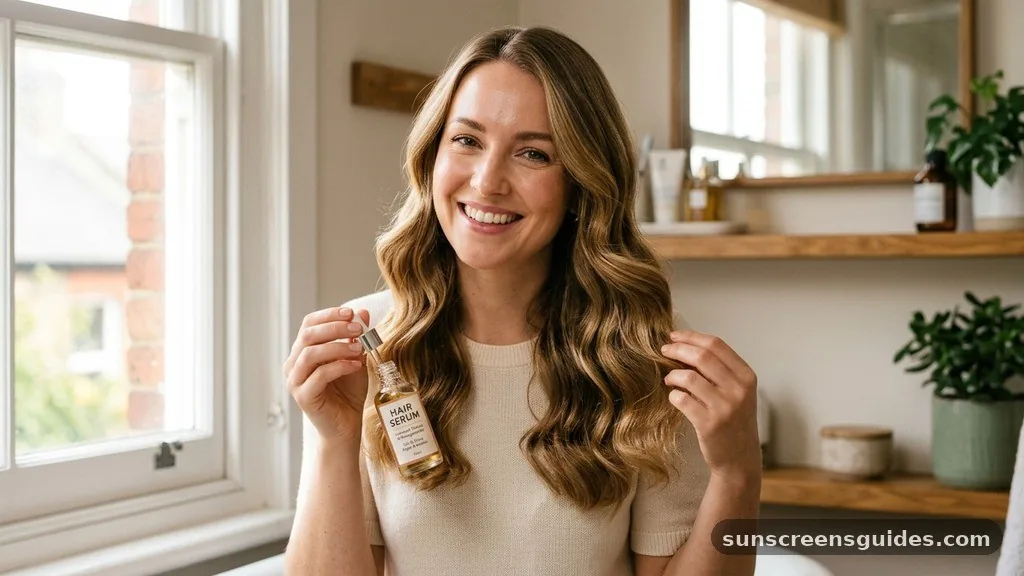
Many people encounter the term hair serum while browsing beauty aisles, yet few truly grasp why this product occupies such a vital spot in a haircare routine. At its core, knowing what hair serum is involves understanding that it serves as a concentrated styling and treatment solution designed to coat the surface of your strands.
Unlike heavy conditioners that penetrate deep into the cortex, serums act as a protective layer to tame unruly textures and impart a polished finish. Whether you are battling environmental humidity or looking for a way to add shine to dull locks, grasping the function of these formulas helps you achieve salon-quality results from the comfort of your home.
Defining the Role of Hair Serum
A hair serum is a silicone-based or oil-based styling product engineered to create a hydrophobic barrier around each strand. This outer coating serves as an effective shield against external stressors, including humidity, pollution, and mechanical damage. By filling in gaps along the hair cuticle, the serum creates a smooth, reflective surface that significantly improves light reflection, resulting in that coveted healthy glow.
Most modern formulations focus on three primary objectives: smoothing the texture, enhancing manageability, and providing a final touch of polish. Because these products typically contain high concentrations of active ingredients like dimethicone or specialized conditioning polymers, a little goes a long way. You don’t need a heavy hand to see results; a few drops usually suffice to transform the appearance of your hair from brittle and dull to sleek and vibrant.
How Hair Serum Differs from Hair Oil
Confusing a serum with a traditional hair oil is common, but they serve entirely different purposes in your grooming regimen. While oils are often derived from plant sources and are designed to penetrate the hair shaft for deep nourishment, serums are generally synthetic and sit on the surface. This distinction is crucial for maintaining the right balance of moisture and protection without weighing your hair down.
| Feature | Hair Serum | Hair Oil |
|---|---|---|
| Primary Function | Smoothing & Frizz Control | Nourishment & Scalp Health |
| Absorption Level | Surface Coating | Penetrative |
| Texture | Lightweight/Gel-like | Viscous/Liquid |
| Best Use Case | Styling & Finishing | Pre-wash/Deep Treatment |
Oils are fantastic for replenishing lost lipids, especially for those with high hair porosity that tends to lose moisture rapidly. In contrast, if your goal is immediate frizz control or a sleek blowout, a serum provides the necessary slip to prevent tangles and static. Using them together is possible, but they should generally be applied at different stages of your routine to avoid greasy buildup.
Core Benefits of Incorporating Serum
The most immediate benefit of adding a serum to your routine is the dramatic reduction in flyaways and unwanted fuzz. By sealing the hair cuticle, the serum prevents moisture from the atmosphere from swelling the strand, which is the primary cause of frizz on humid days. This smoothing action also creates a functional heat protectant layer, which is essential if you frequently use flat irons or curling wands.
Improved Texture and Manageability
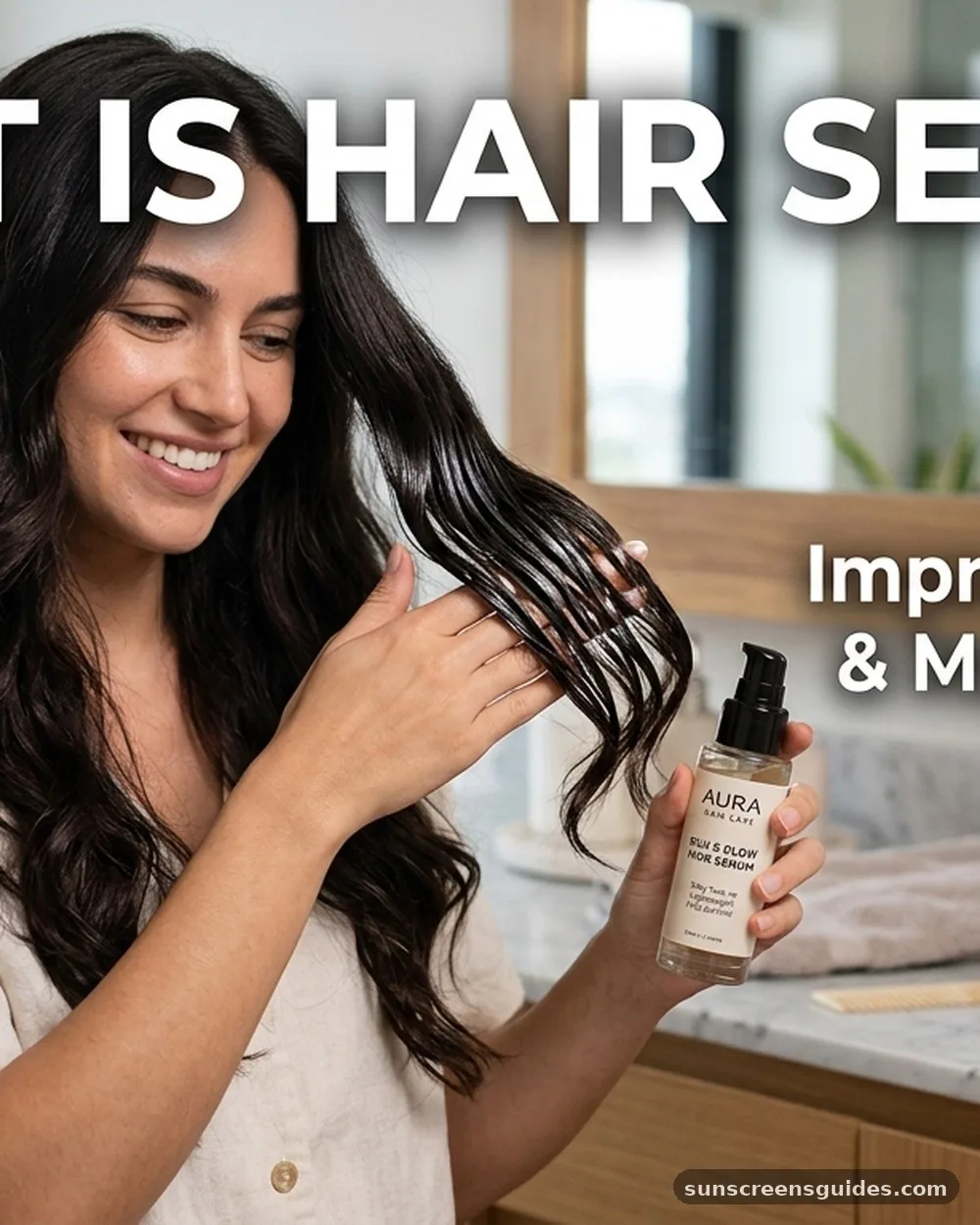
Beyond simple aesthetics, serum acts as a detangler that makes brushing through damp hair much easier. This physical slip prevents mechanical breakage, which is the silent enemy of hair length and overall health. Furthermore, many formulas contain humectants that help pull moisture into the hair, ensuring that your ends stay hydrated throughout the day. While it isn’t a permanent cure for split ends, a good serum will temporarily bind those frayed edges together, making them appear significantly less noticeable.
Styling Versatility
Because these products are essentially a leave-in treatment, they offer immense flexibility for various hair types. Whether your hair is naturally curly, pin-straight, or chemically treated, a lightweight formula can be used as a finishing touch to define curls or add structure to a layered cut. By reflecting light, the serum enhances the natural color vibrancy of your hair, making it look healthier and more dimensional without requiring extra chemicals.
Common Misconceptions and Topical Gaps
One of the biggest myths surrounding serums is that they are only meant for people with damaged or dry hair. In reality, fine-haired individuals often benefit from specific, ultra-lightweight serums that provide protection without causing the hair to go limp. Another common gap in information involves the frequency of use.
Many users are unsure if they can apply these products daily. As long as you focus the application on the mid-lengths and ends rather than the scalp, daily use is perfectly safe and often encouraged for those living in harsh climates.
Scalp Health and Product Buildup

A frequent concern is whether serums cause buildup that leads to hair loss. Pure silicone-based serums are designed to be inert, meaning they don’t interact chemically with the hair or skin. However, if you apply them directly to the scalp, they can clog follicles or attract dirt. The rule of thumb is to avoid the root area entirely. If you feel like your hair is becoming heavy or “gummy,” it is likely time for a clarifying shampoo to reset your hair and remove the accumulated residue.
Application Techniques for Optimal Results
Applying a serum effectively requires precision and the right timing. For the best results, start with damp, towel-dried hair to help lock in existing moisture.
Rub two or three drops between your palms to emulsify the product, ensuring an even distribution before it touches your hair. Starting from the ends and working upward ensures that the areas needing the most protection receive it, while the roots remain light and voluminous.
Wet Versus Dry Application
* Wet Application: Ideal for detangling and providing a protective base before heat styling. * Dry Application: Best for taming midday flyaways or adding a final touch of shine to finished styles.
If you have thick or coarse hair, you might need a slightly larger amount. Conversely, those with very fine hair should start with just a single drop. Experimenting with the quantity is the only way to find your “sweet spot” where your hair feels soft and protected but not greasy.
Addressing Hair Porosity and Damage
Understanding your hair porosity helps you choose the right type of serum. Low-porosity hair, which struggles to absorb moisture, benefits from lighter, water-based serums that won’t sit on top of the hair and create a waxy feel. High-porosity hair, which is often damaged and porous, requires a thicker, more occlusive serum to seal those gaps in the cuticle and prevent moisture from evaporating too quickly.
By consistently using a serum as a leave-in treatment, you are essentially reinforcing the structural integrity of your hair against daily environmental stressors. While it won’t repair severe chemical damage, it acts as a functional cosmetic bridge, allowing your hair to grow longer and stronger by preventing the breakage that occurs when strands are dry and brittle.
Summary and Next Steps
Learning what hair serum is and how to use it properly transforms your daily grooming experience. These versatile products provide essential frizz control, add brilliant shine, and act as a reliable barrier against heat and humidity. By incorporating a high-quality, lightweight formula into your post-wash routine, you ensure that your hair remains protected, manageable, and soft to the touch.
Start with a small amount on your ends, observe how your hair reacts, and adjust accordingly to find the perfect balance for your unique texture. Embrace the smoothing benefits of serum to maintain your hair’s health and luster throughout the seasons. If you have questions about specific ingredients or application methods, keep experimenting and don’t hesitate to consult a professional stylist for personalized recommendations.
What is the primary function of hair serum?
Hair serum is primarily designed to smooth the hair cuticle, control frizz, and add protective shine.
Should I apply hair serum to my scalp?
No, you should avoid the scalp to prevent clogged follicles and greasy roots; focus on the ends.
Can I use hair serum every day?
Yes, using a light application daily is perfectly safe for managing flyaways and maintaining hair moisture levels.
Is hair serum the same as hair oil?
No, serums are typically silicone-based for surface smoothing, while oils penetrate the hair for deep conditioning.
Does hair serum help with split ends?
Serums don’t repair split ends permanently, but they temporarily seal them to make hair look smoother.
Can hair serum protect against heat damage?
Many serums are formulated as heat protectants, helping to shield strands from high-temperature styling tool damage.
How much serum should I use?
Start with two or three drops, emulsifying them in your hands before applying to mid-lengths and ends.