

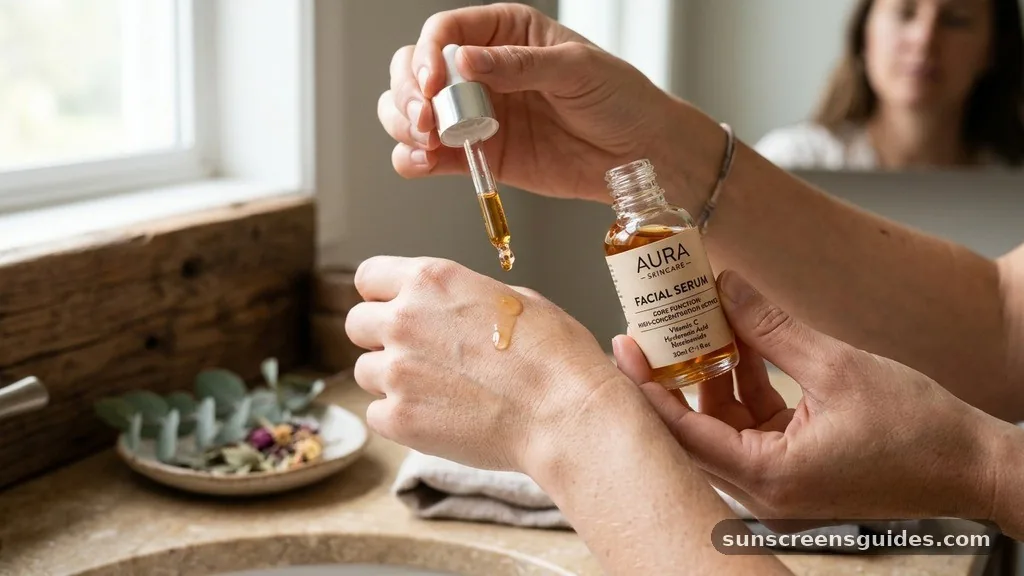
When you look at the crowded shelves of a beauty aisle, it is easy to feel overwhelmed by the sheer variety of bottled liquids. If you have ever wondered what is facial serum for, you are essentially asking about the heavy lifters of a modern skincare routine.
Unlike standard moisturizers that sit primarily on the surface to seal in hydration, these lightweight, potent formulas are designed to deliver high concentrations of active ingredients directly into the deeper layers of your skin. By understanding how these products function, you can stop guessing and start choosing treatments that actually address your specific concerns, whether that involves tackling fine lines, calming redness, or brightening a dull complexion.
Serums are defined by their unique viscosity and specialized delivery systems. Because they often have a lower molecular weight than creams, they can penetrate the surface more effectively. This allows them to bypass the top layer of the epidermis and deposit beneficial compounds where they can do the most work.
Whether you are using a hydrating serum to plump up tired cells or a targeted treatment to manage breakouts, these products are the precision tools of the dermatological world. Learning how to integrate them into your morning or evening regimen is the quickest way to see visible improvements in your skin’s overall texture and resilience.
The Core Function of High-Concentration Actives
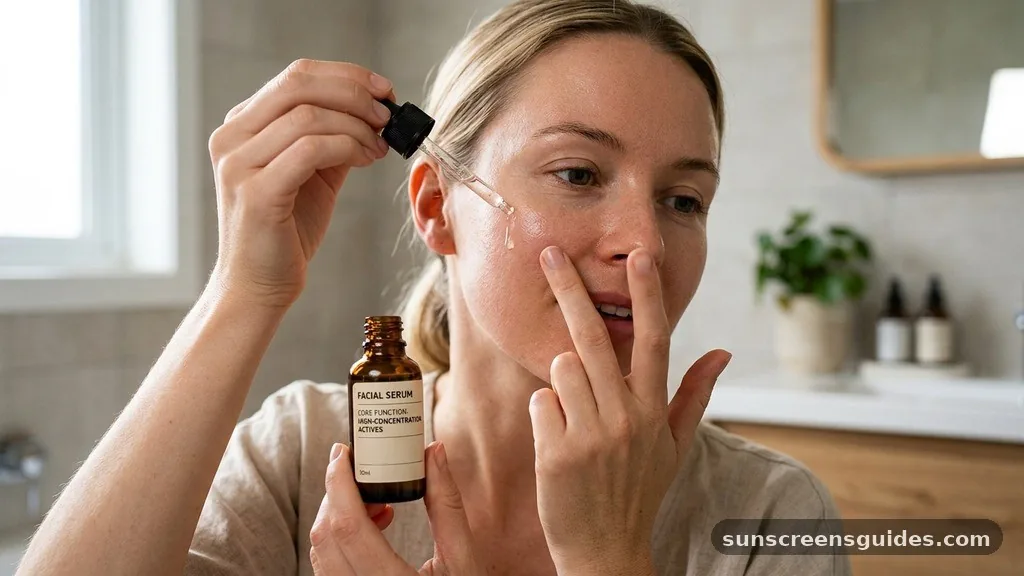
At its most basic level, a serum acts as a vehicle for delivering concentrated medicine to the skin. While a heavy cream is composed of oils and thickeners designed to protect the skin barrier, a serum is typically water-based or gel-based.
This structure allows it to carry a much higher percentage of performance-driven components without feeling greasy or heavy. When you apply a serum, you are giving your face a concentrated dose of ingredients like vitamin c, retinol, or niacinamide.
Think of a serum as the “treatment” phase of your routine, while the cleanser is the “prep” and the moisturizer is the “finish.” Because these active ingredients are often unstable or highly reactive, they need to be applied to clean, slightly damp skin to maximize their efficacy.
By isolating these potent compounds, manufacturers ensure that you aren’t just applying filler or occlusive agents. Instead, you are applying a targeted solution that addresses specific cellular processes, such as melanin production, collagen synthesis, or inflammation regulation.
Supporting the Skin Barrier and Preventing Water Loss
One of the most important jobs for a modern serum is managing transepidermal water loss. This is the process where water evaporates from the dermis through the skin surface, leading to dehydration and a compromised moisture barrier.
A high-quality serum, particularly one containing hyaluronic acid, acts like a magnet for moisture. It pulls water from the environment and binds it to the skin cells, keeping them plump and hydrated throughout the day.
When your moisture barrier is strong, your skin looks smoother and feels less sensitive to external irritants. Using a serum that supports this barrier is essential for anyone living in dry climates or those who use harsh cleansing products.
By maintaining optimal hydration levels, you allow your skin to perform its natural repair processes more efficiently. It isn’t just about feeling soft; it is about providing the structural integrity needed to keep environmental pollutants and bacteria at bay, which is critical for long-term health.
| Category | Primary Benefit | Key Ingredient |
|---|---|---|
| Hydration | Locks in moisture | Hyaluronic Acid |
| Brightening | Fades hyperpigmentation | Vitamin C |
| Anti-Aging | Boosts collagen | Retinol |
| Soothing | Reduces inflammation | Niacinamide |
Navigating the Differences Between Facial Oil and Serum
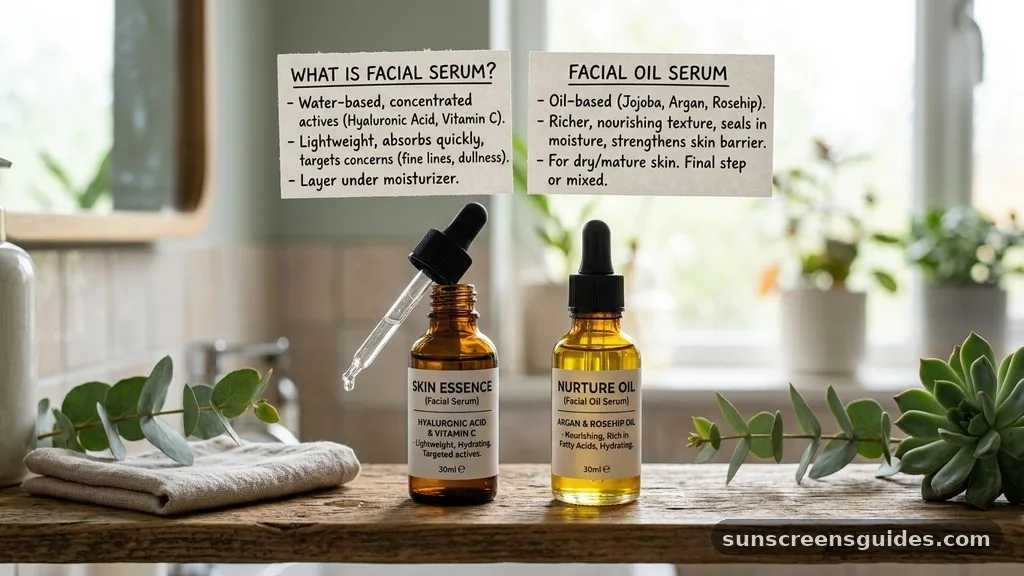
A common point of confusion for consumers is the distinction regarding facial oil vs serum. Many people use these terms interchangeably, but they serve very different purposes in your daily routine.
Serums are generally water-based, meaning they are designed to penetrate the skin and deliver actives to the underlying layers. Oils, by contrast, are typically emollient or occlusive, meaning they sit on top of the skin to prevent water from escaping.
Because of their molecular size, oils cannot penetrate the skin as deeply as a well-formulated serum. If you apply an oil before a serum, you are essentially creating a physical barrier that prevents the serum from reaching its target.
This is why the correct order of skincare routine layering is critical: always apply your thinnest, most potent products first, and finish with your oils or thicker creams. Knowing this sequence ensures that you aren’t wasting expensive products by trapping them on the surface where they cannot perform their intended function.
- Serums provide targeted treatment for specific skin issues like acne or aging.
- Oils provide a protective seal to lock in moisture and soften the skin texture.
- Always apply products from thinnest consistency to thickest consistency.
- Wait at least sixty seconds between layers to allow for proper absorption.
- Check labels to ensure your product is non-comedogenic if you have oily skin.
Addressing Topical Gaps in Serum Knowledge
One topic that often goes unaddressed in basic guides is the role of chemical exfoliation within a serum format. Many people assume all serums are hydrating, but some are actually designed to dissolve the “glue” between dead skin cells. These exfoliating serums, often containing AHAs or BHAs, perform a different function than a moisturizing serum.
They clear out pores and refine texture, but they require a different approach to frequency. Overusing these can damage your barrier, so understanding that they are “active treatments” rather than daily “nourishment” is vital.
Another gap involves the concept of antioxidants and how they interact with daily pollution. Antioxidants like vitamin C are not just for brightening; they are a defensive shield against oxidative stress.
Many users apply these at night, but they are actually most effective during the day when your skin is exposed to UV rays and smog. Understanding the “why” behind timing allows you to get more out of your investment, turning a basic product into a protective layer that actively prevents future damage rather than just fixing existing problems.
Frequently Asked Questions
Is it necessary to use a facial serum every day?
Yes, using a serum daily ensures that your skin consistently receives the active ingredients it needs for results.
Can I apply multiple serums at the same time?
You can layer serums, but wait for the first one to absorb fully before applying the next layer.
What is the main difference between a serum and a moisturizer?
Serums are treatment-focused with high active concentrations, while moisturizers primarily provide hydration and a protective barrier seal.
Should I apply serum before or after my toner?
Always apply your serum after using a toner, as toners help balance the skin for better product absorption.
Can serums cause breakouts?
Some serums contain heavy oils or ingredients that might be comedogenic, so check labels for your skin type.
What happens if I use too many active ingredients?
Overusing actives like retinol or acids can irritate the skin and damage your natural protective moisture barrier.
Is it better to use serums in the morning or evening?
It depends on the ingredients; apply antioxidants in the morning and repairing actives like retinol at night.
Understanding what is facial serum for is the first step toward building a regimen that actually delivers results. By choosing formulas that match your specific goals—whether that is managing moisture loss with a hydrating serum or using antioxidants to fight environmental damage—you transform your bathroom counter into a personalized laboratory. Remember that consistency is far more important than intensity.
Start by identifying one or two primary concerns, select high-quality products that address them, and follow a logical layering order to ensure those active ingredients reach where they are needed most. Your skin will thank you for the extra attention and targeted care you provide each day.



