

Mastering the art of niacinamide serum how to use correctly can transform your complexion, especially if you deal with excess oil or uneven texture. Because this vitamin B3 derivative is so versatile, it fits into almost any regimen, yet many people struggle with the precise order of operations.
By learning how to layer this potent liquid alongside other active ingredients, you can effectively boost your skin barrier function and achieve a clearer, calmer glow. Understanding the specific timing and placement of your products ensures you get the most out of every drop, helping you avoid common pitfalls like pilling or irritation while maximizing results.
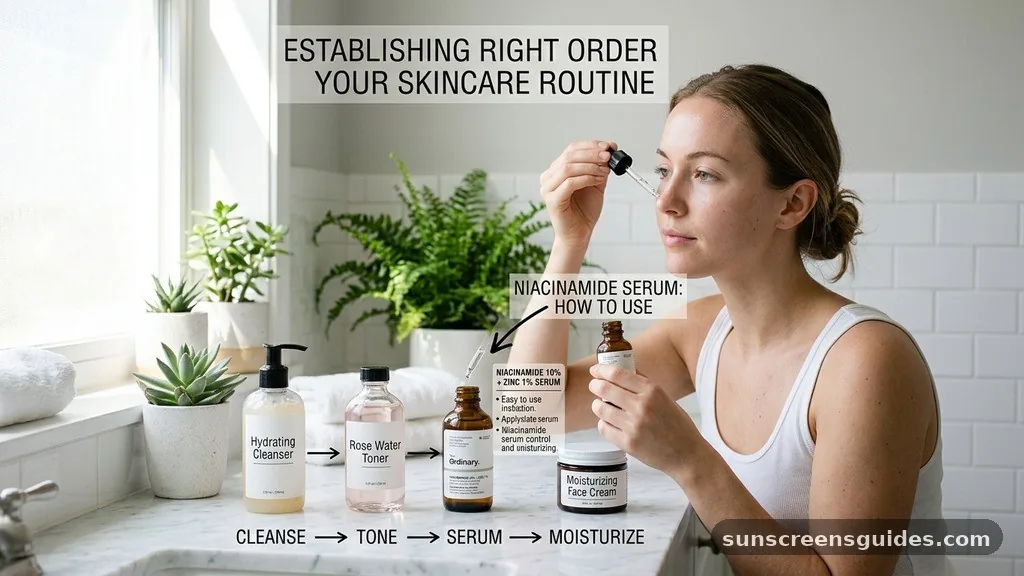
Establishing the Right Order in Your Skincare Routine
When considering niacinamide serum how to use effectively, the golden rule of skincare layering is to apply products from thinnest to thickest consistency. Niacinamide is typically water-based, meaning it should be applied immediately after post-cleansing and toning, but before heavier creams or occlusive moisturizers. By applying it to slightly damp skin, you improve the absorption rate and allow the formula to penetrate effectively without feeling heavy or sticky.
Consistency is key to seeing results, whether you include the serum in your morning and evening routine or just once per day. If you are using other targeted treatments, such as chemical exfoliants or retinoids, always allow the niacinamide to absorb for about 60 seconds before moving on to the next layer. This simple waiting period prevents the different formulations from mixing improperly on the surface of your skin, which is the primary cause of product “pilling” or flaking.
Incorporating this serum is particularly helpful for sebum regulation, making it a staple for those with oily or combination skin. Because it works deep within the pores to manage oil production, placing it early in your process ensures the active molecules reach the target areas without being blocked by thicker, emollient-heavy lotions. Always finish with a broad-spectrum sunscreen during the day, as keeping your skin protected is essential for maintaining the clarity you are working to achieve.
Navigating Ingredients and Compatibility Challenges
A major part of understanding niacinamide serum how to use safely involves knowing which ingredients play nicely together and which ones require caution. Historically, there has been a significant debate regarding vitamin C contraindications when paired with niacinamide. While modern, stabilized formulas are often safe to layer, some people with highly sensitive skin may experience mild flushing or redness when these two potent antioxidants are applied simultaneously.
To stay on the safe side, consider using your vitamin C in the morning to fight environmental stressors and reserving your niacinamide for the evening. If you prefer to use both, wait at least 15 to 20 minutes between applications to ensure your skin’s pH balance has stabilized. This buffer period mitigates the risk of irritation, allowing both ingredients to perform their specific roles—vitamin C for brightening and niacinamide for pore minimization and texture refinement.
When it comes to hyaluronic acid compatibility, you are in luck; these two are a dream team. Hyaluronic acid pulls moisture into the skin, while niacinamide helps lock it in and strengthens the barrier.
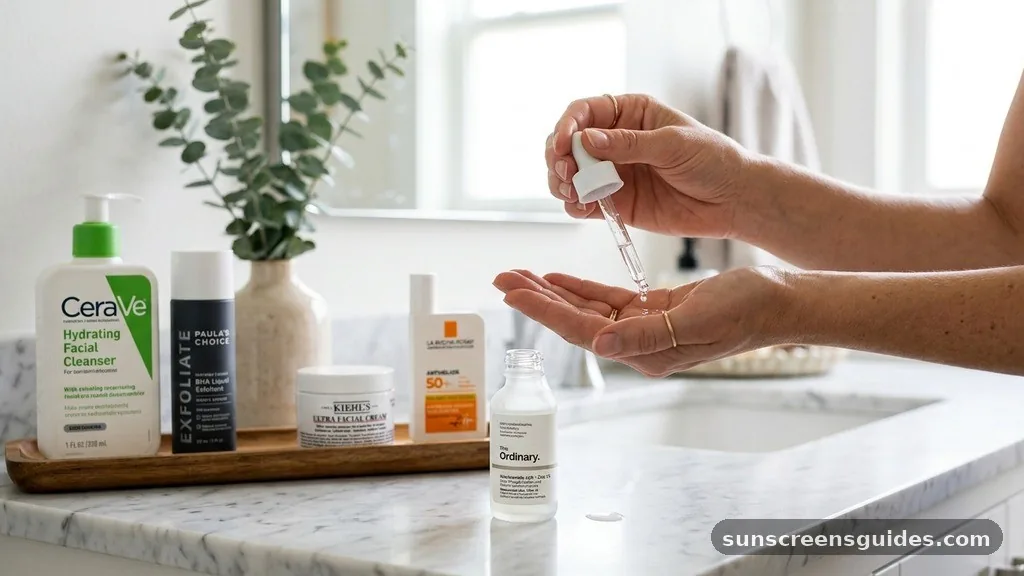
You can even mix a drop of each in your palm before application to simplify your routine. Below is a quick breakdown of how these common ingredients typically interact with your serum:
| Ingredient | Compatibility | Best Practice |
|---|---|---|
| Hyaluronic Acid | Excellent | Mix together or layer sequentially |
| Vitamin C | Conditional | Use in separate routines to avoid flushing |
| Retinol | Good | Apply niacinamide first to soothe potential irritation |
| Salicylic Acid | Good | Layer after exfoliant once dry |
Choosing the Right Concentration for Your Needs

The efficacy of niacinamide serum how to use depends heavily on selecting the right serum concentration. Most research points to 5% as the “sweet spot” for the majority of skin types.
At this level, you get significant benefits regarding oil control and inflammation reduction without overwhelming your skin barrier. While some brands offer 10% or even 20% concentrations, higher isn’t always better and may lead to unnecessary irritation.
If you are a beginner, start with a lower percentage to see how your skin responds. Perform a patch testing protocol by applying a small amount to your inner forearm or behind your ear for 24 hours.
If no redness or itching occurs, you are likely clear to incorporate the serum into your facial regimen. This precaution is vital, as jumping straight into high-potency actives can disrupt your natural moisture levels.
For those targeting specific concerns like stubborn dark spots or enlarged pores, a 10% solution can be highly effective when used consistently. However, if you notice your skin feeling tight or dry after application, dial back the frequency or switch to a lower concentration.
Remember, the goal is to support your skin’s health, not to stress it out with unnecessary levels of active components. Listen to what your face is telling you, and adjust the dosage accordingly.
Addressing Topical Gaps and Common Mistakes
One of the most common gaps in knowledge regarding niacinamide serum how to use is the assumption that it replaces moisturizer. While niacinamide does help with hydration, it is not an occlusive agent.
It works best when sealed in with a quality moisturizer, especially for those with dry or dehydrated skin. Failing to follow up with a cream can leave your skin feeling parched, as the serum itself evaporates before it can provide lasting benefits.
Another frequent oversight is the application method. Some users rub the product vigorously, which can cause it to foam or ball up. Instead, gently press the serum into your skin using flat palms.
This technique encourages better absorption and is much gentler on the delicate skin barrier. Additionally, ensure your skin is clean and free of heavy residues before applying, as this allows the active ingredients to bypass surface oil and debris.
Finally, manage your expectations regarding the timeline of results. While some people notice a reduction in oiliness within a few days, improvements in pore size and texture often take four to eight weeks of daily use. Consistency is the most important factor in seeing long-term changes.
If you stop and start, you interrupt the cycle of regulation your skin is trying to establish. Stick to a simple, reliable routine, and you will eventually see the benefits of this versatile ingredient.
- Always cleanse your face thoroughly to remove surface dirt and makeup before application.
- Apply the serum while your skin is slightly damp to enhance ingredient penetration.
- Use only 2-3 drops for the entire face; more is not necessarily more effective.
- Wait for the serum to fully dry before applying heavy creams or sunscreens.
- Store your product in a cool, dark place to maintain the stability of the formula.
- Focus application on oily areas like the T-zone for targeted sebum regulation.
- Monitor your skin for any signs of sensitivity and adjust usage frequency if needed.
Frequently Asked Questions
How do I incorporate niacinamide into my daily routine?
Apply it after cleansing and toning, but before your moisturizer, in both morning and evening sessions.
Can I use niacinamide serum every single day?
Yes, it is generally gentle enough for daily use, provided your skin does not show signs of irritation.
What should I avoid mixing with niacinamide serum?
Avoid mixing it with low-pH acids like pure vitamin C to prevent potential flushing or skin redness.
Is it safe to leave niacinamide serum on overnight?
Absolutely, leaving it on overnight allows the active ingredients to support your skin’s natural repair process effectively.
Can niacinamide help with my oily skin?
It is highly effective at regulating sebum production, which helps control oiliness and minimize the appearance of pores.
Do I need a moisturizer after using niacinamide?
Yes, always apply a moisturizer afterward to lock in hydration and support your skin’s protective barrier function.
How long until I see results from niacinamide?
Most users notice improvements in oil control quickly, but texture and tone benefits usually appear after several weeks.
Understanding niacinamide serum how to use effectively empowers you to take charge of your skincare journey with confidence. By respecting the order of application, being mindful of ingredient compatibility, and choosing the right concentration for your specific skin needs, you can unlock the full potential of this powerful B-vitamin. Whether you are aiming for better oil control or a smoother, more refined complexion, consistency and patience remain your best tools.
Start slowly, monitor your skin’s reaction, and enjoy the process of building a routine that truly works for you. If you have questions about how your specific products interact, don’t hesitate to reach out or consult a dermatologist for personalized advice on your unique regimen.



