


Dealing with white, streaky marks on your vehicle’s trim or seats is a common frustration for beach-goers and parents alike. Learning how to remove sunscreen from car interior surfaces effectively preserves your vehicle’s aesthetic while preventing long-term damage to sensitive materials. Sunscreen contains active ingredients like zinc oxide and titanium dioxide, which are designed to cling to skin; unfortunately, they cling just as tenaciously to plastic, vinyl, and leather.
When this sunblock residue sits in the sun, the oils can bake into the pores of your upholstery, turning a simple smudge into a permanent discoloration. Getting ahead of these stains early is the key to maintaining a pristine cabin.
Identifying the Material Before Cleaning
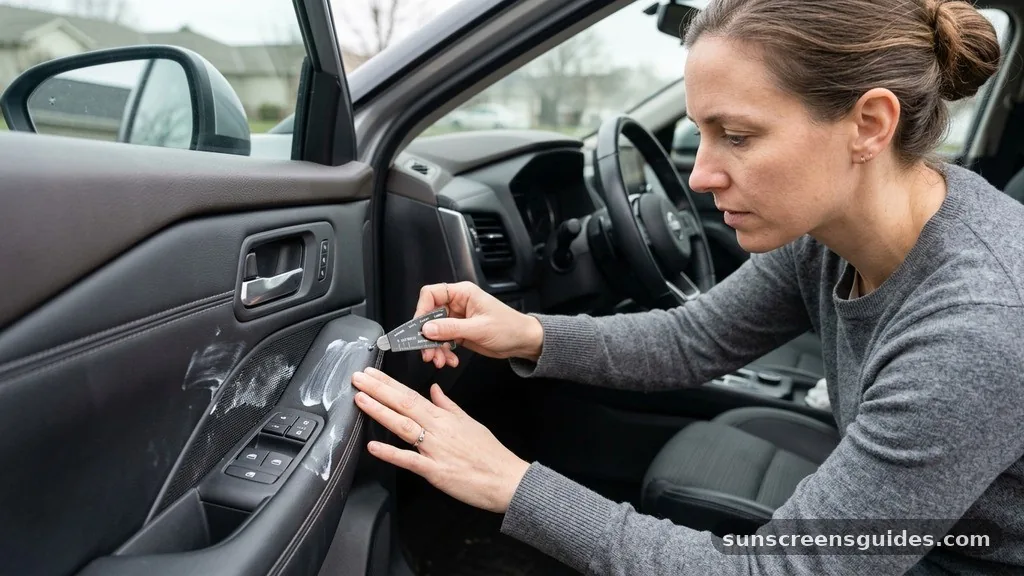
Before reaching for any cleaning solution, you must determine what type of surface is stained. Not all car interiors react the same way to chemical agents, and using the wrong product could lead to fading or cracking. Most modern vehicles feature a mix of materials, including textured plastic trim, synthetic leather, or genuine hides.
If you are unsure about the material, perform a spot test in an inconspicuous area, such as under the seat or near the bottom of a door panel. This safety step ensures that your chosen method won’t strip the color or texture from your specific interior finish.
Understanding the Chemistry of Sunscreen Stains
Sunscreen is essentially an emulsion of oil and active mineral blockers. Because it is hydrophobic, it repels water, which is why standard water-based interior cleaners often fail to lift the stain entirely.
To break the bond between the oil and the surface, you need a degreaser or a mild solvent that can emulsify the oils without damaging the substrate. The goal is to lift the stubborn oil stains without scrubbing so hard that you abrade the material.
Recommended Cleaning Methods for Plastic and Vinyl
For hard surfaces like your interior dashboard or door panels, you have more flexibility. Plastic trim and vinyl surfaces are generally durable, but they are prone to absorbing the white, chalky pigments found in mineral-based lotions.
A gentle but effective approach involves using a mild dish soap solution mixed with warm water. This combination works well because the surfactants in the soap are designed to cut through grease and oil. Apply the mixture using a microfiber cloth, working in small circular motions to lift the residue from the textured grain of the plastic.
- Mix one part mild dish soap with five parts warm water in a spray bottle.
- Dampen a soft-bristle brush to agitate the cleaner into the textured grooves of the plastic.
- Wipe away the loosened debris with a clean, dry microfiber cloth.
- Repeat the process if the white haze persists after the surface dries.
- Apply a high-quality surface protectant to restore the factory finish once clean.
Addressing Stains on Leather Upholstery
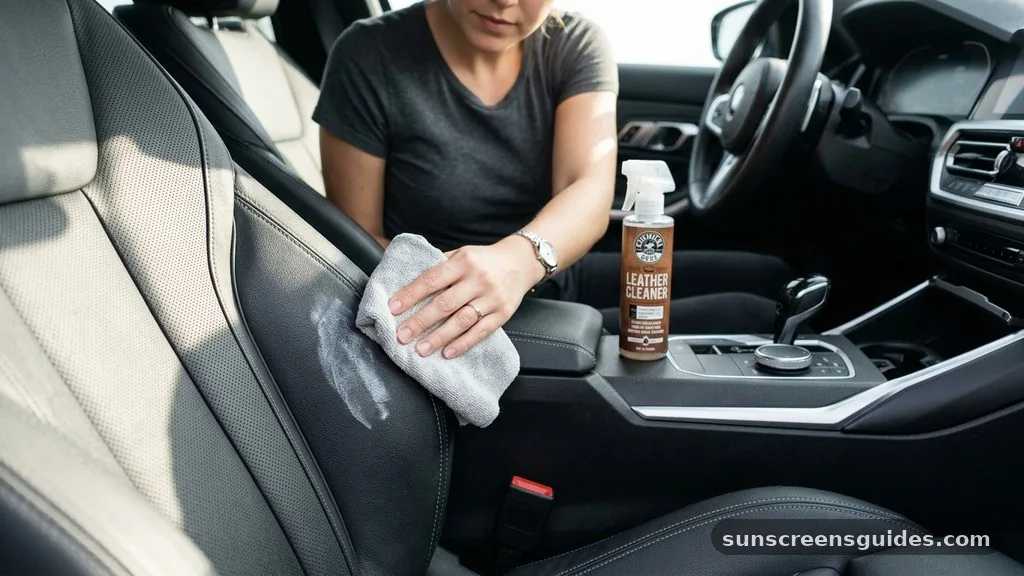
Leather is a porous material that requires a much more delicate touch than hard plastic. If you use harsh chemicals or too much alcohol, you risk drying out the hide, which can lead to cracking over time. When working on leather, prioritize dedicated automotive cleaning products specifically formulated for organic surfaces.
If the stain is fresh, try to blot the excess lotion with a dry paper towel before it settles. Avoid rubbing, as this can force the zinc oxide deeper into the leather grain.
Once the surface is clear of excess lotion, use a leather-specific cleaner and a soft-bristle brush to gently lift the remaining pigments. Always follow up with a high-quality leather conditioner to replenish the natural oils lost during the cleaning process.
Removing Persistent Mineral Stains
In some cases, especially with mineral-based sunscreens, the residue acts like a permanent pigment. If standard soap fails, you may need to step up to a slightly more aggressive solvent. Isopropyl alcohol is frequently recommended for difficult stains, but it should be used with extreme caution.
Always dilute the alcohol with water—a 1:3 ratio is a safe starting point—and apply it sparingly to a cloth rather than directly onto the surface. This method is effective for removing sunblock residue from stubborn crevices, but it can strip away the factory sheen on some plastics. If you notice the surface turning dull, stop immediately and use a surface protectant to re-nourish the material.
| Cleaning Agent | Best Used On | Precaution |
|---|---|---|
| Mild Dish Soap | Plastic, Vinyl, Rubber | Rinse well to avoid sticky residue. |
| Isopropyl Alcohol (Diluted) | Hard Plastics Only | Can cause drying; use sparingly. |
| Leather Cleaner | Leather, Synthetic Leather | Always condition after cleaning. |
| White Vinegar (Diluted) | Light Surface Haze | Strong odor; ensure good ventilation. |
Addressing Common Topical Gaps
Many enthusiasts struggle with the “ghosting” effect where the stain appears to be gone while wet but reappears once the surface is dry. This happens because the oils have penetrated the micro-pores of the trim.
To resolve this, you must “pull” the oil out of the pores. Using a steam cleaner can be highly effective here; the heat helps liquefy the oil, while the microfiber cloth captures it as it rises to the surface.
If you don’t have a steam cleaner, a specialized upholstery cleaner with enzymatic properties can break down the oils over several minutes. Apply the cleaner, let it dwell for two to three minutes, and then agitate with a soft-bristle brush. The dwell time is crucial, as it allows the chemical to penetrate the pores before you wipe it away.
Professional Automotive Detailing Tips
If your interior is heavily stained, sometimes the best solution is a professional approach. Professional automotive detailing experts often utilize specialized interior scrub brushes that are stiff enough to reach into the crevices of textured plastic but soft enough to prevent scratching.
Consistency is better than intensity. It is far safer to perform three light, gentle cleaning cycles than one aggressive scrubbing session that might mar the finish. Always work in sections to ensure the cleaning agent doesn’t dry on the surface, which can leave its own set of water spots or streaks.
Finally, remember that prevention is the best strategy. Keeping a dedicated towel in the center console for quick wipe-downs after a day at the beach will save you hours of deep cleaning later.
Conclusion
Successfully removing sunscreen from car interior surfaces is entirely possible with the right approach and a bit of patience. By identifying the material, choosing the appropriate cleaner, and avoiding overly abrasive scrubbing, you can restore your vehicle’s cabin to its original condition. Remember to prioritize gentler methods like mild dish soap before moving to stronger solvents, and always follow up with a protectant to keep your interior looking sharp.
Should you encounter a particularly stubborn stain, don’t rush the process; allow the cleaning agents the necessary dwell time to break down those oily residues. If you have any specific concerns about your vehicle’s interior materials or need further advice on maintaining your car’s cleanliness, feel free to reach out for more detailed tips.
What is the fastest way to remove fresh sunscreen?
Blot the area with a dry cloth immediately, then clean with a mild dish soap and water solution.
Can I use rubbing alcohol on leather car seats?
Avoid using pure alcohol on leather, as it strips natural oils and leads to cracking and permanent damage.
Does white vinegar help remove sunscreen marks?
Yes, a diluted vinegar solution can help break down mineral-based sunscreen residue on hard, non-porous plastic surfaces safely.
Why do sunscreen stains reappear after cleaning?
The oils have likely settled deep into the material’s pores and require more dwell time to be fully lifted.
Is it safe to use a magic eraser on car plastic?
Be very careful; magic erasers are abrasive and can remove the factory finish or texture from your plastic trim.
How do I clean sunscreen off a textured dashboard?
Use a soft-bristle brush combined with a mild cleaner to reach into the texture without damaging the surface.
Should I use a conditioner after cleaning my leather seats?
Absolutely, a leather conditioner is essential to replace oils removed during the cleaning process and prevent future drying.



