

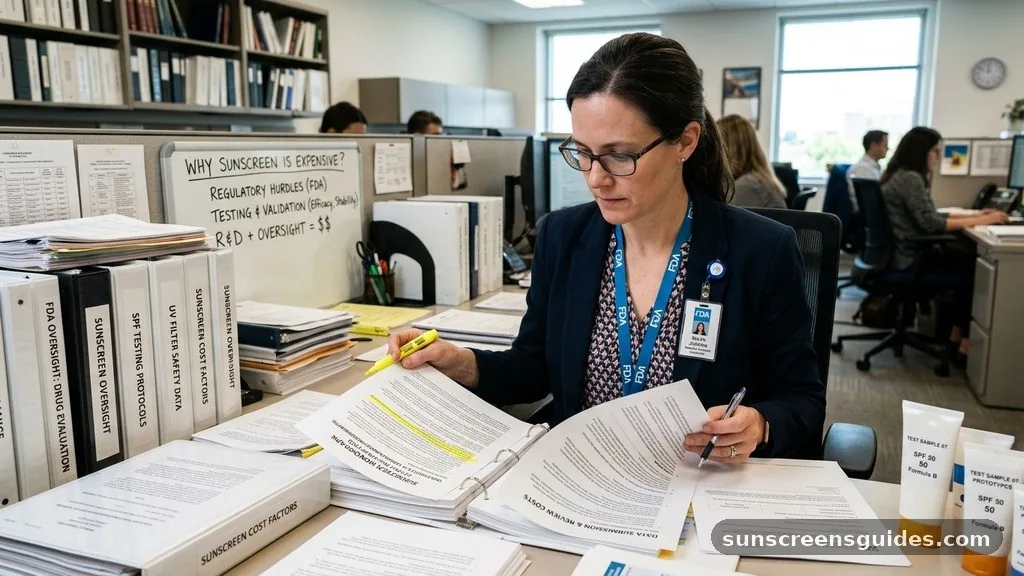
Shoppers often experience sticker shock when browsing the skincare aisle, leading many to wonder why is sunscreen so expensive compared to basic lotions. While it might seem like a simple bottle of cream, the reality behind these price tags involves a complex mix of rigorous safety standards, specialized chemistry, and global supply chain pressures.
You are likely paying for more than just a moisturizer; you are investing in a sophisticated medical-grade shield designed to withstand intense environmental exposure. By exploring the actual costs of research, testing, and ingredient sourcing, you can better determine if those premium options are truly necessary for your skin.
The Regulatory Hurdle and FDA Oversight
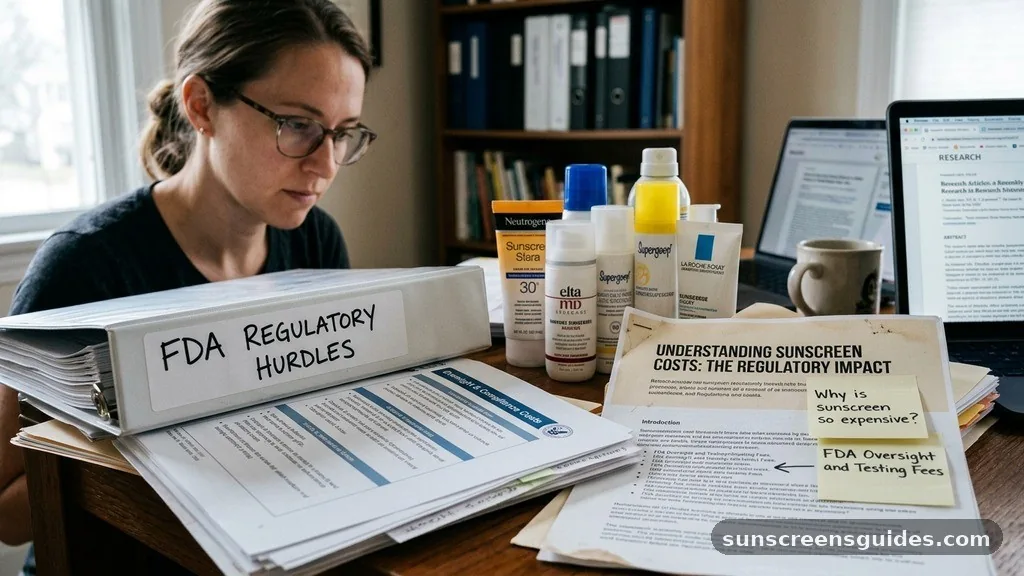
Sunscreen is classified as an over-the-counter drug in the United States, which creates significant overhead for manufacturers. Unlike standard beauty products, these items must comply with a strict FDA monograph that dictates exactly how they can be formulated, tested, and marketed. This regulatory environment forces companies to invest heavily in legal and quality-control departments just to keep their products on store shelves.
When a brand chooses to innovate, the process becomes even more costly. Getting a new filter approved by the FDA is a notoriously slow and expensive endeavor, often taking years of clinical trials and documentation. Because the barrier to entry is so high, many brands pass these administrative costs directly to the consumer, explaining part of why sunscreen is so expensive today.
Complex Chemistry and R&D Investment
The science inside your bottle is far more advanced than what you might find in a standard body butter. Developing a formula that provides high-level UVA and UVB protection while remaining cosmetically elegant requires years of R&D investment. Chemists must balance dozens of variables to ensure the product remains stable, effective, and pleasant to use throughout its shelf life.
The Cost of Advanced Filters
Many modern consumers prefer high-tech filters like Tinosorb and Uvinul, which are widely available in international markets but face hurdles in the U.S. market. Importing these advanced components or navigating the specific patent landscapes associated with them adds a premium to the final price. Brands that prioritize these superior filters often charge more because the raw materials themselves are significantly pricier than older, legacy chemical filters.
| Factor | Impact on Price |
|---|---|
| Regulatory Compliance | High: Requires constant testing and legal oversight. |
| Ingredient Quality | Moderate: Mineral filters often cost more to stabilize. |
| Clinical Testing | High: Mandatory SPF efficacy testing drives up costs. |
| Marketing & Branding | Variable: High-end luxury branding adds significant markup. |
Mineral Versus Chemical Formulations
The debate between mineral sunscreen and chemical filters is a major driver of pricing differences. Mineral options, which utilize zinc oxide or titanium dioxide, are notoriously difficult to formulate. Because these minerals are physical powders, they have a tendency to feel heavy, chalky, or leave a white cast on the skin.
To solve these texture issues, manufacturers must use advanced micronization techniques or specialized coating technologies. These processes ensure the minerals spread evenly and provide consistent protection without ruining the aesthetic experience. Consequently, a high-quality mineral formula is almost always more expensive to produce than a basic chemical-based alternative, as it requires more sophisticated manufacturing equipment and stabilizing agents.
The Role of SPF Efficacy Testing
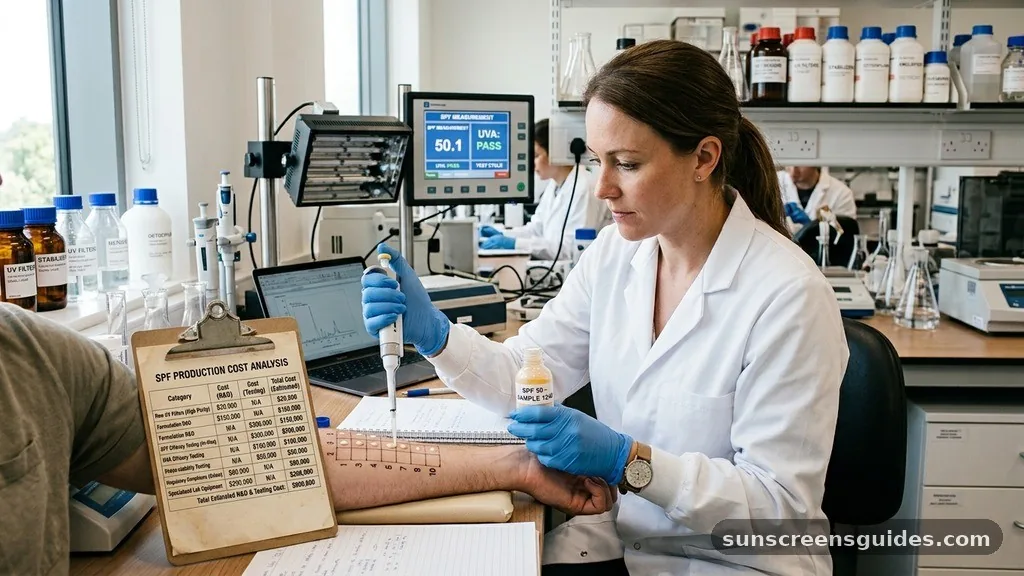
Every batch of sunscreen sold must prove its claims, which leads to the high cost of SPF efficacy testing. Companies must send their finished products to third-party laboratories to confirm that the labeled sun protection factor is accurate. This process involves human testing panels, which are both time-consuming and expensive to organize.
If a brand claims to be “water-resistant” or “reef-safe,” they must undergo even more specialized testing protocols. These certifications require additional lab hours and complex environmental impact studies. These hidden steps in the cosmetic formulation cycle ensure that what you buy actually prevents sunburn and long-term skin damage, but they undeniably push the price of the final product upward.
Addressing Topical Gaps: Why Is US Sunscreen Different?
A common point of confusion for consumers is why European or Asian sunscreens often feel different and sometimes cost less. The primary reason lies in the regulatory disparity between regions. European sunscreen regulation allows for a much faster approval process for new, high-performance filters that provide better photostability.
* Filter Availability: International markets have access to a broader range of filters that provide better protection with less irritation.
* Approval Speed: The U.S. system is legacy-focused, making it harder for modern, efficient filters to enter the market.
* Testing Standards: Differences in how UVA protection is rated globally can lead to varied cost structures for product development.
Because American brands are often locked into using older, less efficient chemical filters, they have to use higher concentrations or proprietary blends to achieve the same safety ratings. This constraint forces them to spend more on stabilizing agents and sensory enhancers, which keeps the price point high for the average American shopper.
Supply Chain Constraints and Global Pricing
The global market for skincare ingredients is increasingly volatile, and sunscreen is not immune to these supply chain constraints. Many of the high-quality synthetic filters or specialized minerals are sourced from a limited number of global suppliers. When demand spikes during the summer months or during global shortages of raw materials, the cost of these ingredients fluctuates wildly.
Furthermore, small-batch or independent brands often lack the economies of scale that massive conglomerates enjoy. When a boutique skincare company decides to create a high-SPF product, they pay a premium for every ingredient they source. These small brands often prioritize cleaner, more sustainable packaging and high-end sourcing, which makes their products feel like a luxury purchase compared to mass-market pharmacy brands.
Is High Price Always Equal to High Protection?
It is tempting to assume that a more expensive bottle provides better protection, but this is not always the case. The most important factor is consistency; the best sunscreen is the one you will actually use every single day. While luxury brands may offer a more elegant finish or a scent-free experience, a budget-friendly option that meets all FDA requirements will protect your skin just as well.
When you pay for a premium sunscreen, you are often paying for:
- An improved sensory profile that doesn’t feel greasy or sticky.
- Advanced antioxidant blends that offer secondary skin benefits.
- Elegant packaging and branding that enhances the user experience.
- Hypoallergenic or non-comedogenic formulations tailored for sensitive skin.
When to Splurge and When to Save
If you struggle with acne or rosacea, investing in a pricier, dermatologist-tested formula is often worth the extra money to avoid breakouts. However, if you have robust skin and just need protection for a day at the beach, many mid-range options provide excellent coverage without the boutique price tag. The key is to check the label for broad-spectrum protection and ensure the SPF rating matches your specific needs, regardless of the brand name.
Conclusion
Understanding why sunscreen is so expensive involves recognizing that you are purchasing a highly engineered medical product rather than a simple cosmetic cream. From the steep costs of FDA-mandated testing and the complexities of formulating stable mineral filters to the global supply chain challenges, the price tag reflects the intensive effort required to guarantee your safety. While premium brands often provide a better sensory experience or specialized ingredients for sensitive skin, the most essential goal remains consistent application.
Next time you shop, focus on the active ingredients and broad-spectrum ratings rather than just the price tag to find a solution that fits your lifestyle. Protecting your skin is a long-term investment that pays off every single day, so find a product you love and make it a staple in your daily routine.
Sunscreen is expensive due to rigorous FDA testing, R&D costs for stable ingredients, and complex manufacturing requirements.
Does price dictate the level of SPF protection?
No, price does not dictate protection. All sunscreens must pass the same FDA efficacy tests for their labels.
Why do mineral sunscreens cost more?
Mineral sunscreens require specialized micronization and stabilizing agents to ensure they apply smoothly without leaving white residue.
Is imported sunscreen better than US brands?
Often yes, as other regions use newer, more photostable filters that are not yet approved in the United States.
Are expensive sunscreens worth the extra cost?
They are worth it if you prefer better textures, added antioxidants, or formulas specifically designed for sensitive skin types.
What is the most expensive part of making sunscreen?
Clinical testing and the legal compliance associated with the FDA monograph are the most significant costs for manufacturers.
Can I use cheaper sunscreen on my face?
Yes, provided it is non-comedogenic, fragrance-free, and labeled specifically for facial use to prevent clogged skin pores.



