

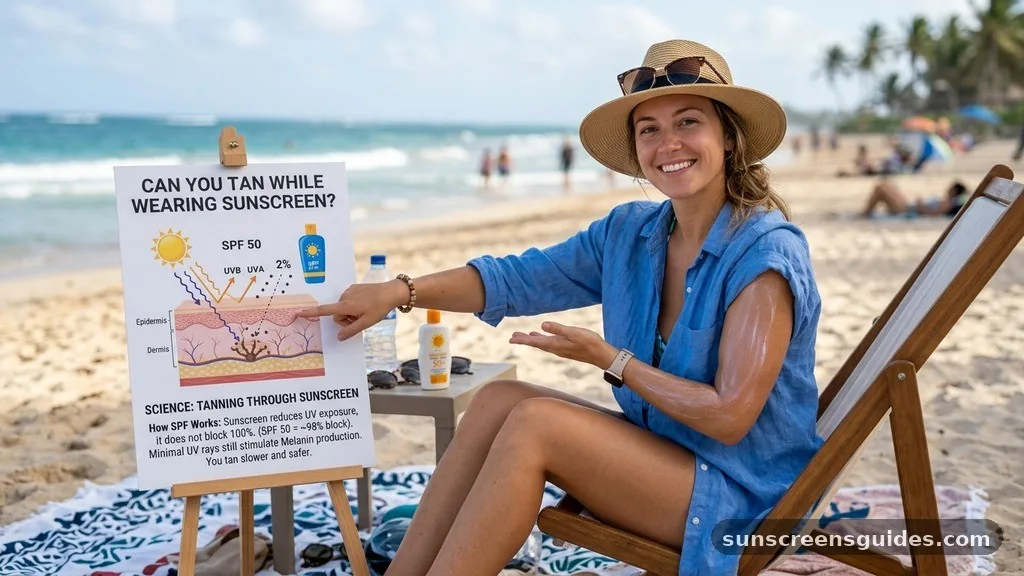
Many beachgoers frequently ask if they can tan while wearing sunscreen because they want to achieve a golden glow without compromising their skin health. The short answer is yes, you can develop a tan even when using protective products, though the process becomes much slower and significantly safer.
Sunscreen is designed to filter out the most damaging rays rather than acting as an impenetrable shield against every photon of light. By understanding the mechanics of how your skin responds to ultraviolet exposure, you can strike a balance between achieving your desired complexion and protecting your long-term health, ensuring that knowing if you can tan while wearing sunscreen helps you make smarter choices outdoors.
The Science of Tanning Through Sunscreen
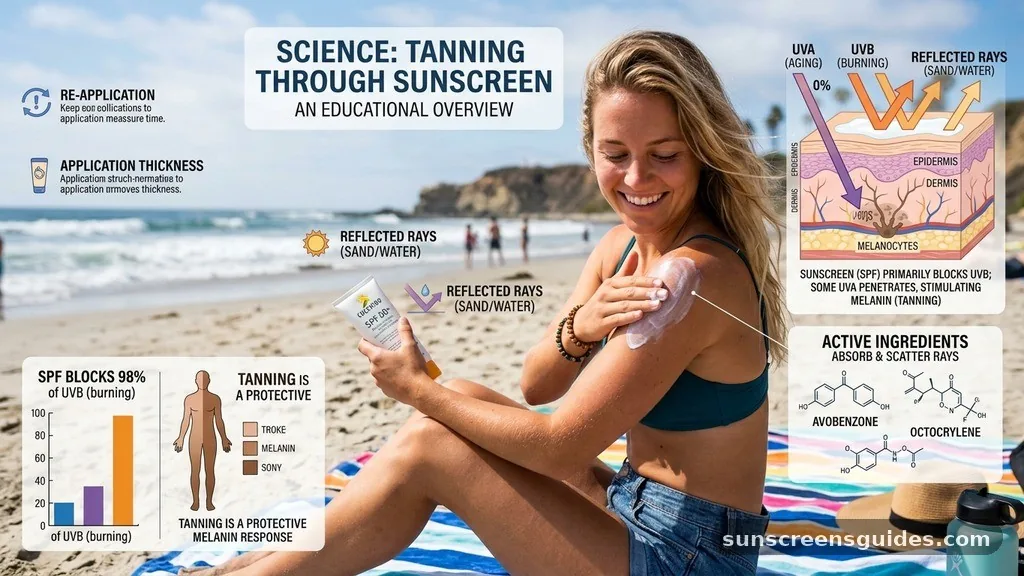
To understand if you can tan while wearing sunscreen, you must first recognize that a tan is essentially your body’s biological defense mechanism. When skin cells detect ultraviolet radiation, they produce melanin to protect the deeper layers of the dermis from further DNA damage. Sunscreen works by using active ingredients that either reflect, scatter, or absorb this radiation before it penetrates the surface.
Because no commercial product blocks 100 percent of UV rays, some radiation inevitably reaches your skin. Even with high-SPF protection, a small percentage of rays still interact with your melanocytes.
This means you aren’t completely shielded from the sun’s influence, but you are effectively limiting the intensity of the exposure. Instead of a rapid, burning reaction that causes immediate inflammation, your skin experiences a much gentler stimulus, which may eventually lead to a subtle change in color over a longer period.
How Sunscreen Filters Solar Radiation
The process of how sunscreen filters solar radiation is the key factor in why tanning still occurs. Chemical filters penetrate the top layer of the skin and absorb UV energy, converting it into heat, while physical blockers like zinc oxide sit on top to deflect rays. Regardless of the mechanism, the goal is to provide a broad-spectrum barrier against both UVA and UVB rays.
* UVB Rays: These are the primary triggers for sunburn and are the most effectively blocked by high-SPF products.
* UVA Rays: These penetrate deeper into the skin and are responsible for premature aging, including wrinkles and dark spots.
* Residual Exposure: Because sunscreen efficacy fades over time due to sweat and friction, some UV penetration is inevitable.
If you apply a broad-spectrum product correctly, you are primarily delaying the onset of skin darkening. The “tan” you see after a long day at the beach while wearing protection is often the result of minimal UV damage that has accumulated slowly, rather than the intense, rapid reaction typically associated with unprotected sun exposure.
Common Misconceptions About High SPF
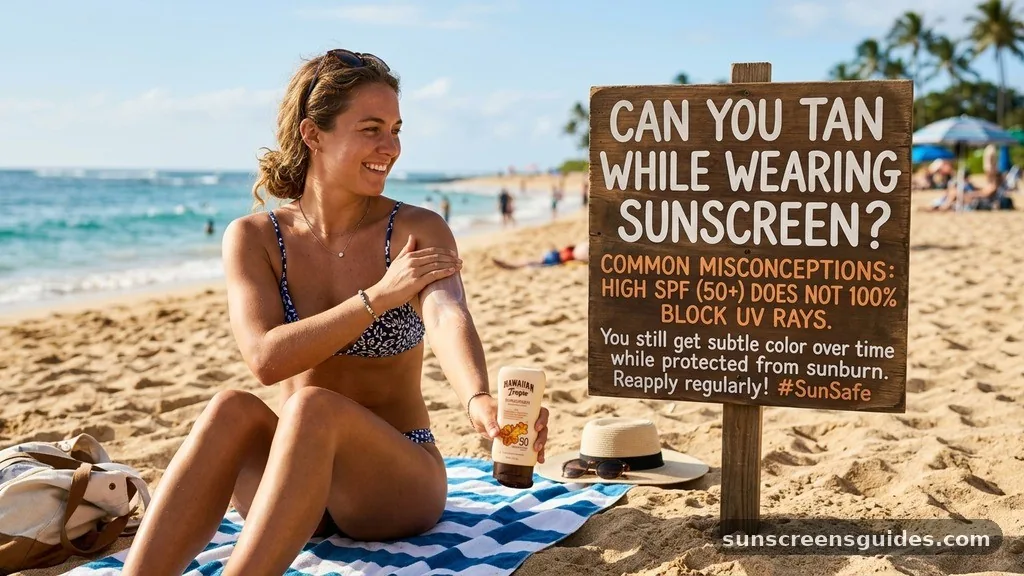
There are many common misconceptions about high SPF products that lead people to believe they are invincible in the sun. A frequent myth is that a high SPF rating, such as 50 or 100, acts as a total block that prevents any tanning or burning indefinitely. In reality, the difference in protection between SPF 30 and SPF 50 is marginal, but it doesn’t mean you can stay out indefinitely without reapplication.
Another frequent error is the assumption that applying a high-SPF lotion allows you to spend twice as long in the sun as a lower SPF product. Regardless of the number on the bottle, dermatologists recommend reapplying every two hours or immediately after swimming. The higher the number, the more efficient the filtration, but it does not equate to a permanent barrier against the sun’s powerful rays.
| SPF Level | UVB Protection Percentage | Common Usage Context |
|---|---|---|
| SPF 15 | 93% | Daily incidental exposure |
| SPF 30 | 97% | Extended outdoor activities |
| SPF 50 | 98% | High-intensity sun environments |
| SPF 100 | 99% | Fair skin or high-risk areas |
Addressing Topical Gaps: The Realities of Water Resistance
A critical gap in public knowledge is the misunderstanding of product labels, specifically regarding water resistance. Many people believe their lotion stays active regardless of their activity level. However, no sunscreen is “waterproof,” they are only “water-resistant.” Manufacturers use this terminology because all formulas eventually wash off or break down when exposed to moisture or extreme heat.
If you are swimming or engaging in sports that produce significant sweat, your protection layer is being compromised every minute you are active. This is why you might notice a tan developing faster than expected during a beach day; your sunscreen is likely wearing off due to physical activity.
To maintain the level of protection stated on the bottle, you must strictly follow reapplication guidelines. If you are in the water, assume the effectiveness is dropping rapidly, even if the label promises 80 minutes of resistance.
The Long-Term Impact of Tanning
While achieving a bronze glow is popular, it is vital to remember that any darkening of the skin is a sign of stress. The wrinkles and leathery texture associated with long-term sun exposure are largely caused by the UVA rays that often bypass lower-quality filters. When you tan while wearing sunscreen, you are essentially exposing yourself to a “safer” dose of radiation, but you are not removing the risk entirely.
Consistent use of broad-spectrum protection is the most effective way to prevent photo-aging. If you notice your skin color changing, you have already received enough UV exposure to trigger a protective reaction. Prioritizing skin health over the temporary aesthetic of a tan can prevent significant dermatological issues later in life, including skin cancer and permanent hyperpigmentation.
Practical Tips for Safer Sun Exposure
To manage your sun exposure while still enjoying the outdoors, follow these best practices. You should always opt for a “broad-spectrum” label, which ensures protection against both UVA and UVB rays.
* Apply at least one ounce of product to cover your entire body.
* Don’t forget commonly missed areas like the tops of your feet, ears, and back of the neck.
* Use a lip balm with SPF to protect sensitive mouth tissue.
* Seek shade during peak UV hours, typically between 10 a.m. and 4 p.m.
* Wear UV-blocking clothing or wide-brimmed hats to supplement your lotion.
By treating sunscreen as one part of a multi-layered defense strategy, you minimize the risk of overexposure. The goal should be to enjoy the outdoors without relying on your skin’s ability to tan as a benchmark for your sun protection efforts.
Frequently Asked Questions
Does sunscreen completely prevent tanning?
No, sunscreen does not provide 100 percent protection, so some tanning can still occur with regular use.
Is it safer to tan with SPF 30 or SPF 50?
SPF 50 offers slightly better protection against UVB rays, reducing the likelihood of rapid skin damage.
How often should I reapply sunscreen at the beach?
You should reapply at least every two hours, or immediately after swimming or heavy sweating occurs.
Do I need sunscreen if it is cloudy outside?
Yes, UV rays can penetrate clouds and reflect off surfaces, so protection is necessary even on overcast days.
Why does my skin still get dark with high SPF?
Skin darkens due to residual UV penetration that occurs when sunscreen is applied too thinly or wears off.
Can wearing sunscreen prevent premature aging?
Yes, consistent daily use of broad-spectrum sunscreen is the best defense against sun-induced wrinkles and aging spots.
Are “waterproof” sunscreens actually effective in the ocean?
No sunscreen is truly waterproof; they are water-resistant and require frequent reapplication to remain effective while swimming.
Conclusion
Ultimately, while you can tan while wearing sunscreen, the process is inherently linked to UV exposure that your skin is trying to mitigate. By choosing high-quality broad-spectrum products and maintaining a strict reapplication schedule, you can minimize damage while still enjoying your time outdoors. Remember that there is no such thing as a “healthy tan,” as any darkening of the skin serves as a marker of cumulative UV stress.
By prioritizing consistent protection, you shield your skin from long-term concerns like premature wrinkles and cellular damage. If you have concerns about your specific skin type or history of sun sensitivity, consulting with a dermatologist can provide a personalized approach to keeping your skin vibrant and healthy throughout the seasons. Feel free to share your own sun-safety habits or questions in the comments below.



