


Many people searching for a reliable daily SPF often ask if is Black Girl Sunscreen mineral based, as they navigate the confusing world of skincare labels. Finding the perfect protection for your face and body can feel like a chore, especially when you are trying to avoid that dreaded chalky finish on your complexion.
Because the brand offers several different formulations, it is common for customers to feel unsure about which specific product they are holding. Understanding the difference between their various offerings ensures you pick the right one for your skin type, your daily activities, and your personal preferences regarding active ingredients.
Distinguishing Between Mineral and Chemical Formulas
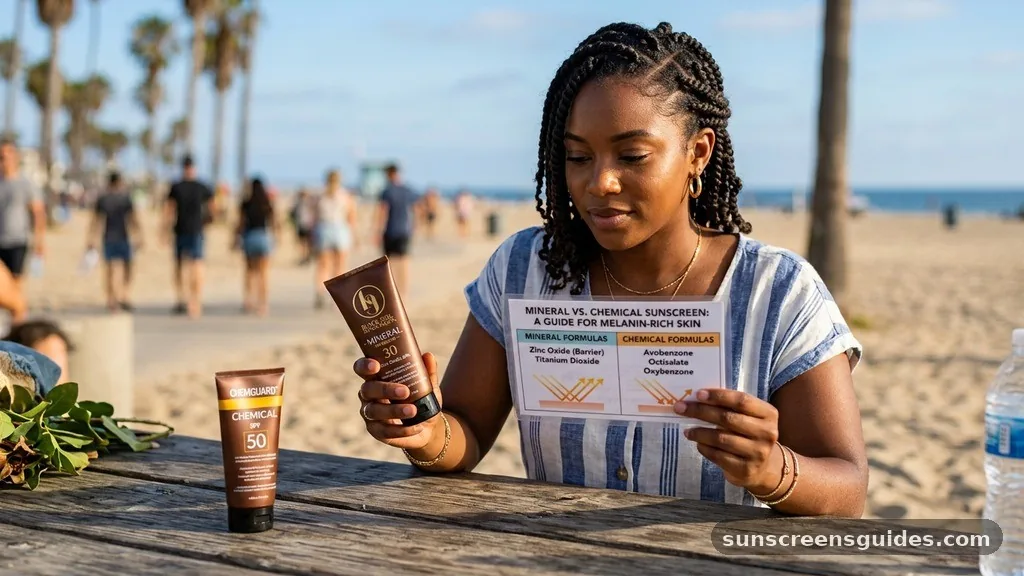
To understand the makeup of the products you use, it helps to identify the two main categories of sun protection. Physical sunscreen, often called mineral sunscreen, typically relies on zinc oxide or titanium dioxide to create a barrier that reflects UV rays. These ingredients sit on top of the skin, making them a popular choice for those with sensitive skin who want to avoid potential irritation. They are well-known for being effective but can sometimes leave a white cast on deeper skin tones if the formula is not properly micronized.
Chemical sunscreen, on the other hand, absorbs into the top layer of the skin and converts UV rays into heat, which is then released from the body. Common chemical filters you might see on an ingredient list include avobenzone, homosalate, and octisalate.
These formulas are often favored for their lightweight, invisible finish and their ability to blend easily without leaving a residue. Because they absorb into the skin, they are frequently used in products designed for daily wear, sports, or high-performance activities.
What Defines the Black Girl Sunscreen Lineup
The brand Black Girl Sunscreen, founded by Shontay Lundy, was created specifically to address the lack of options for melanin-rich skin. When you ask if is Black Girl Sunscreen mineral or chemical, the answer depends entirely on which bottle you grab from the shelf.
The brand has expanded its catalog significantly since its inception, offering a variety of textures and protection levels. Their goal has always been to provide broad-spectrum protection that feels like a moisturizer rather than a heavy layer of chalk.
The original “Make It Glow” SPF 30 is a chemical sunscreen. It is designed to be completely invisible, making it a go-to for many people who want to avoid the “ashy” look that often comes with traditional sunscreens.
Because it uses chemical filters, it melts into the skin effortlessly, providing hydration along with sun defense. The brand is committed to being oxybenzone-free and paraben-free across its range, ensuring that consumers can feel good about the ingredients they are putting on their bodies every day.
Comparing Popular Black Girl Sunscreen Products
It is helpful to look at the differences between the core offerings to see how their formulations stack up. While their flagship product is a chemical-based moisturizer, they have also introduced items that cater to those specifically looking for mineral-based options.
| Product Name | Type | Key Ingredients |
|---|---|---|
| Make It Glow SPF 30 | Chemical | Avobenzone, Homosalate, Octisalate |
| Kids SPF 50 | Chemical | Homosalate, Octisalate, Octocrylene |
| Sun Ready Stick SPF 30 | Mineral/Hybrid | Zinc Oxide |
The Sun Ready Stick leans into the mineral category, utilizing zinc oxide to provide a convenient, travel-friendly option for touch-ups. This is a great example of how the brand diversifies its portfolio to meet the needs of different customers. If you are strictly looking for a mineral-only experience, their stick format is the primary choice within their current collection.
Why Formulation Matters for Melanin-Rich Skin
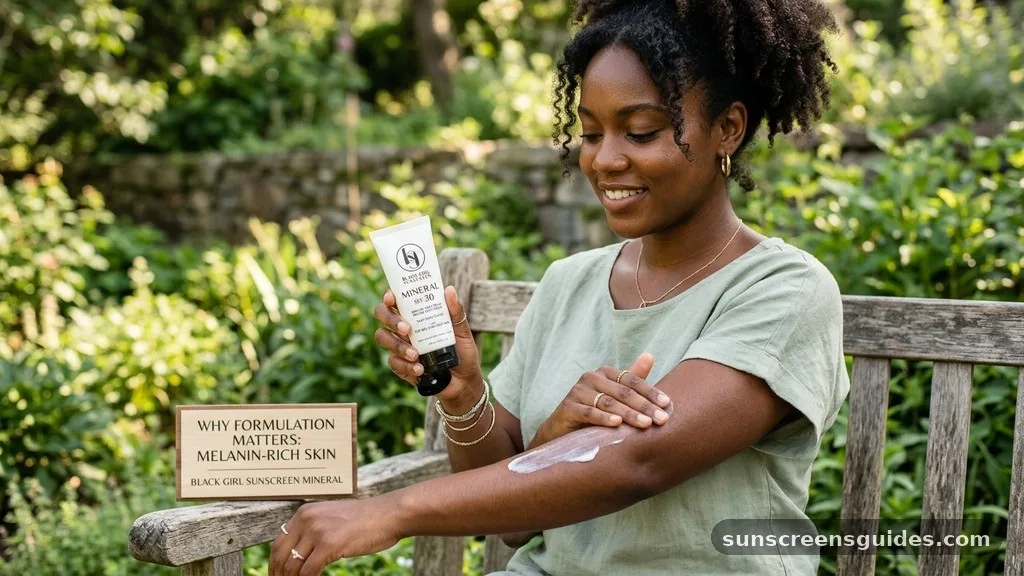
The primary challenge for people with darker skin tones has historically been the white cast left behind by older, thicker mineral formulas. Shontay Lundy recognized that if a sunscreen leaves a purple or grey haze, people are significantly less likely to wear it consistently. By focusing on formulas that disappear into the skin, the brand removed a massive barrier to sun safety.
When you choose an SPF 30 or higher, the most important factor is consistency. Whether you select a chemical or mineral product, the best sunscreen is the one you actually enjoy using every single day.
Because their chemical formulas are dermatologist-tested and designed to be moisturizing, they function as part of a skincare routine rather than an extra step. This integration is crucial for long-term skin health, as it protects against hyperpigmentation and premature aging while maintaining a natural glow.
Addressing Topical Gaps in Sunscreen Knowledge
There is a common misconception that mineral sunscreens are automatically “safer” or “better” than chemical ones. In reality, both categories are rigorously tested and provide effective protection when applied correctly.
A frequent gap in consumer knowledge is the understanding of “hybrid” sunscreens. Many modern products combine the best of both worlds, using mineral blockers for their stability and chemical filters for their cosmetic elegance.
Another gap involves the frequency of reapplication. Regardless of the type of sunscreen you choose, you should reapply it every two hours if you are outdoors. Many people assume a high SPF rating means they are immune to burning all day, which is not the case.
Friction, sweat, and water exposure all break down the film of protection, whether it is physical or chemical. Keeping a sunscreen stick in your bag for easy, mess-free reapplication is a smart way to maintain your coverage throughout the day.
Key Benefits of the Brand
* Invisibility: Their formulas are specifically engineered to blend into all skin tones without a trace.
* Hydration: Many of their products are infused with nourishing ingredients like jojoba and avocado oil.
* Accessibility: You can find these products in major retail stores, making it easy to restock.
* Skin-Friendly: Being paraben-free and oxybenzone-free appeals to those looking for cleaner beauty standards.
* Versatility: The range includes options for the face, body, and even lip protection.
How to Choose the Right Product for Your Routine
Selecting the right sunscreen starts with knowing your skin type. If you have oily or acne-prone skin, you might prefer a lighter, oil-free formula.
If your skin is dry, you will likely appreciate the moisturizing properties found in their original line. People who prefer to avoid chemical filters entirely should stick to the mineral-based options, such as the Sun Ready Stick, and be mindful of how they blend it into the skin.
If you are planning to spend a long day at the beach, look for water-resistant options that will stay put through swimming and sweating. Those who want a simple, one-and-done product for their daily commute will find that the Make It Glow formula works perfectly under makeup. Since the brand is dermatologist-tested, you can rest assured that their products meet professional standards for safety and efficacy.
Conclusion
Asking if is Black Girl Sunscreen mineral or chemical helps you make an informed decision for your personal skincare needs. While the brand is famous for its chemical-based, glow-inducing moisturizers that leave no white cast on melanin-rich skin, they also offer mineral-based solutions like their convenient sticks. By prioritizing broad-spectrum protection, the brand ensures that everyone, regardless of their complexion, has access to effective sun care that feels good to wear.
Ultimately, your choice should come down to which texture and application method you prefer. Whether you lean toward the lightweight feel of their chemical range or the physical barrier provided by their mineral sticks, consistency is the key to healthy skin. Keep your sunscreen handy, apply it liberally, and enjoy your time in the sun with confidence.
FAQ
Is Black Girl Sunscreen mineral-based?
It depends on the product; their classic line is chemical, while their stick format contains mineral ingredients.
Does Black Girl Sunscreen leave a white cast?
No, their formulas are specifically designed to be invisible and blend seamlessly into all skin tones.
Is Black Girl Sunscreen safe for sensitive skin?
Yes, their products are dermatologist-tested and generally gentle, though patch testing is always recommended for new users.
What is the difference between their SPF 30 and SPF 50?
The SPF 50 provides a slightly higher degree of UV protection, often preferred for children or intense sun.
Can I wear makeup over Black Girl Sunscreen?
Yes, their moisturizing, chemical-based formulas are designed to function effectively as a primer under your daily makeup.
Does the brand use oxybenzone?
No, their entire product line is strictly oxybenzone-free to ensure a cleaner profile for the wearer and environment.
How often should I reapply my sunscreen?
You should reapply your sunscreen every two hours, especially if you are outdoors, sweating, or swimming frequently.



