


Deciding whether or not Sun Bum is a good sunscreen involves looking past the brand’s iconic, surf-inspired aesthetic to examine the actual chemical and mineral filters inside their bottles. Many consumers wonder if these products provide legitimate protection against sun damage or if they are merely a lifestyle choice for beachgoers.
By analyzing the ingredient lists, the brand’s adherence to safety standards, and real-world performance metrics, you can determine if their formulas meet your specific skincare requirements. Understanding how these products interact with your skin barrier is the most effective way to ensure you are getting the reliable broad-spectrum SPF coverage you need for long days outdoors.
Evaluating the Effectiveness of Sun Bum Formulations
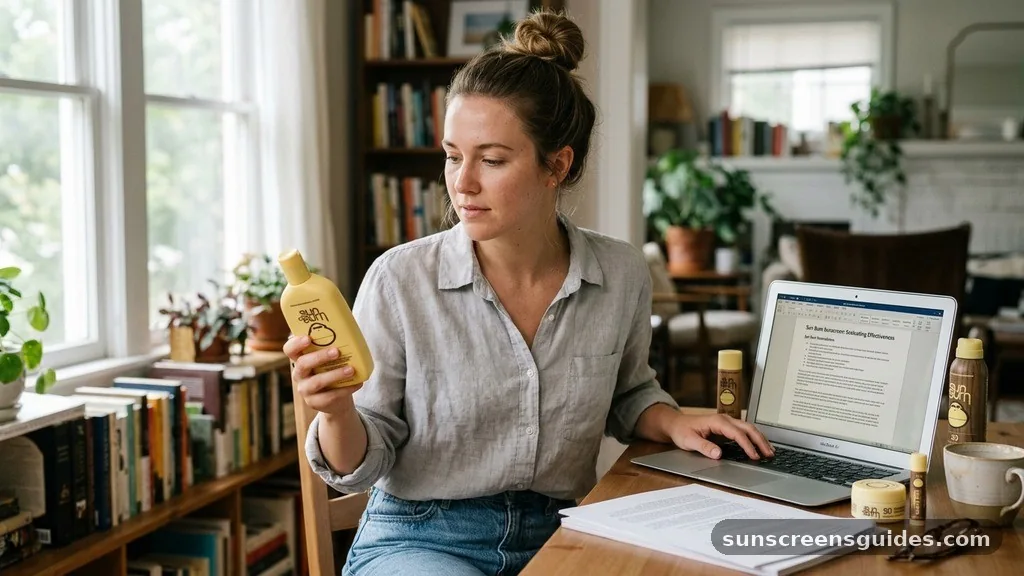
Sun Bum is generally considered a highly effective sunscreen brand that consistently meets the basic requirements for daily sun protection. Their products are designed to provide UVA and UVB protection, which is essential for preventing both premature aging and dangerous cellular damage. Most of their mainstream options are formulated to meet the high standards set by the American Academy of Dermatology, ensuring they offer at least SPF 30 and effective water resistance.
When you look at whether this brand works, you have to consider the specific product line. They offer both chemical sunscreen and mineral sunscreen options, and their efficacy depends on proper application.
Because they prioritize a non-greasy, lightweight feel, many users find it easier to apply the recommended amount of product compared to thicker, chalky competitors. Consistent application is the most critical factor in whether any sunscreen actually performs its job.
The Difference Between Sun Bum Chemical and Mineral Lines
The brand splits its catalog into two primary categories: chemical formulas and mineral-based options. Understanding these differences is key to choosing the right product for your skin type.
Chemical Sunscreen Ingredients
Chemical formulas from this brand typically utilize organic filters to absorb ultraviolet light. These products are often prized for their transparency and ease of blending into the skin. While they offer high photostability, some users with sensitive skin might find certain chemical ingredients irritating. If you are prone to reactions, it is important to check the specific label for individual ingredient sensitivities.
Mineral Sunscreen Options
Their mineral line relies on physical blockers like zinc oxide and titanium dioxide. These ingredients sit on top of the skin to reflect radiation rather than absorbing it. Mineral filters are widely recommended by dermatologists for individuals with reactive skin because they are less likely to clog pores or cause allergic reactions. These formulas are also typically reef-safe, meaning they do not contain ingredients like oxybenzone or octinoxate that are known to harm coral ecosystems.
Addressing Common Concerns About Sun Bum Safety
Safety remains a top priority for sun-conscious consumers, and Sun Bum has evolved its product development to address modern environmental and health concerns. The company has made a conscious effort to eliminate ingredients that are frequently flagged as problematic by environmental working groups.
- Reef-Friendly Status: The brand has moved away from harsh chemicals like oxybenzone and octinoxate in many of their newer, popular lines to protect marine life.
- Hypoallergenic Testing: Many of their products are labeled as hypoallergenic, which indicates they have been tested to minimize the risk of skin reactions.
- Non-Comedogenic Properties: Their face-specific lotions are formulated to be non-comedogenic, meaning they are designed not to block pores or contribute to acne breakouts.
- Skin Barrier Support: By incorporating moisturizing elements like Vitamin E, the products help maintain the integrity of the skin barrier during intense sun exposure.
Comparing Sun Bum to Other Sunscreen Categories
To understand the value proposition of this brand, it helps to see how it aligns with typical industry standards for sun protection. The following table illustrates the general characteristics found across their common product types.
| Feature | Chemical Lines | Mineral Lines |
|---|---|---|
| Primary Active Ingredients | Avobenzone, Homosalate | Zinc Oxide, Titanium Dioxide |
| Skin Finish | Clear, invisible | May leave a slight white cast |
| Best For | Daily wear, sports, sweating | Sensitive skin, children, eco-conscious |
| Environmental Impact | Varies by specific formula | Generally safer for reefs |
Addressing Topical Gaps: Common Misconceptions

Many users search for answers regarding whether this brand is “good,” but often fail to address the specific nuances of their product range. One major gap is the confusion between “natural” and “mineral.”
Just because a product is mineral-based does not automatically mean every other ingredient is plant-derived. It is vital to read the full ingredient list if you have strict requirements for organic or vegan skincare.
Another gap involves the “spray” vs. “lotion” debate. People often assume that because a product is effective, the spray version provides the same protection as the lotion.
In reality, spray sunscreens are notoriously difficult to apply evenly. Regardless of the brand, if you are using a spray, you must rub it in thoroughly to ensure complete coverage. Sun Bum’s sprays are reliable, but only if the user applies enough product to form an even, protective layer over every inch of exposed skin.
Sun Bum for Different Skin Types
Not every sunscreen works for every face. If you have acne-prone or oily skin, you might be hesitant to apply heavy creams.
The brand’s “Face” specific line is generally lighter and specifically tested to ensure it doesn’t cause breakouts. When checking if this is a good choice for your face, look for the “oil-free” designation on the label.
For those with extremely dry skin, the brand’s inclusion of antioxidants like Vitamin E is a benefit. These ingredients provide a small amount of nourishment while the physical or chemical filters do the heavy lifting of protection. If you suffer from conditions like eczema or rosacea, the mineral-based sticks or lotions are usually the safest bet, as they avoid the potential for chemical stinging or irritation.
Maximizing Protection with Proper Application Techniques
Even the most expensive, high-end sunscreen will fail if applied incorrectly. Sun Bum products are designed for active lifestyles, but they still require adherence to basic sun safety protocols to be effective.
Always apply your sunscreen at least 15 to 20 minutes before heading outdoors. This allows the product to form a stable film on the skin. If you are swimming or sweating heavily, you must reapply every two hours or immediately after towel drying.
Many people fail to use enough product; a common rule of thumb is to use a full shot-glass amount for the entire body. Failing to use this much effectively drops your SPF rating significantly, which is why some users claim a product “doesn’t work” when the issue was actually the amount applied.
Understanding the Role of Photostability
Photostability refers to how well a sunscreen holds up under the direct impact of the sun. Some chemical filters degrade quickly when exposed to UV light, losing their protective power within minutes. Sun Bum uses stabilized chemical filters in their formulas to ensure they remain effective for the duration of their recommended wear time.
This stability is vital for people who spend long hours on the water or at the beach. When a sunscreen isn’t photostable, it breaks down and creates free radicals that can actually contribute to skin damage. By choosing products that emphasize stability, you ensure that the level of protection you start with is the same level of protection you have hours later.
Conclusion
Evaluating whether Sun Bum is a good sunscreen requires looking at your individual skin needs and the specific type of protection you require. For most people, the brand offers a reliable, accessible, and well-formulated option that provides essential broad-spectrum SPF coverage. Their commitment to removing harsh chemicals like oxybenzone and their expansion into mineral-based lines make them a solid choice for both beach enthusiasts and those seeking daily facial protection.
By selecting the right formula for your skin type and maintaining consistent, generous application, you can confidently integrate their products into your sun safety routine. If you are still unsure, testing a small amount on your inner forearm can help you confirm how your skin reacts before committing to a full day in the sun.
Is Sun Bum sunscreen recommended by dermatologists?
Many dermatologists approve of Sun Bum for its broad-spectrum protection and adherence to standard SPF testing protocols.
Is Sun Bum a safe sunscreen?
Yes, most of their products are considered safe and effective, especially their mineral-based and reef-friendly formulations.
Does Sun Bum actually work?
Yes, when applied in the recommended amount, it provides effective protection against UVA and UVB rays.
Is Sun Bum good for sensitive skin?
Their mineral sunscreen line, which uses zinc oxide, is generally well-tolerated by those with sensitive skin types.
Can I use Sun Bum on my face?
Yes, they offer specific non-comedogenic lotions designed for the face that won’t clog pores or cause acne.
Is Sun Bum sunscreen reef-safe?
Many of their modern formulas are developed without oxybenzone and octinoxate, making them safer for marine environments.
How often should I reapply Sun Bum?
You should reapply at least every two hours, or immediately after swimming, sweating, or towel drying.